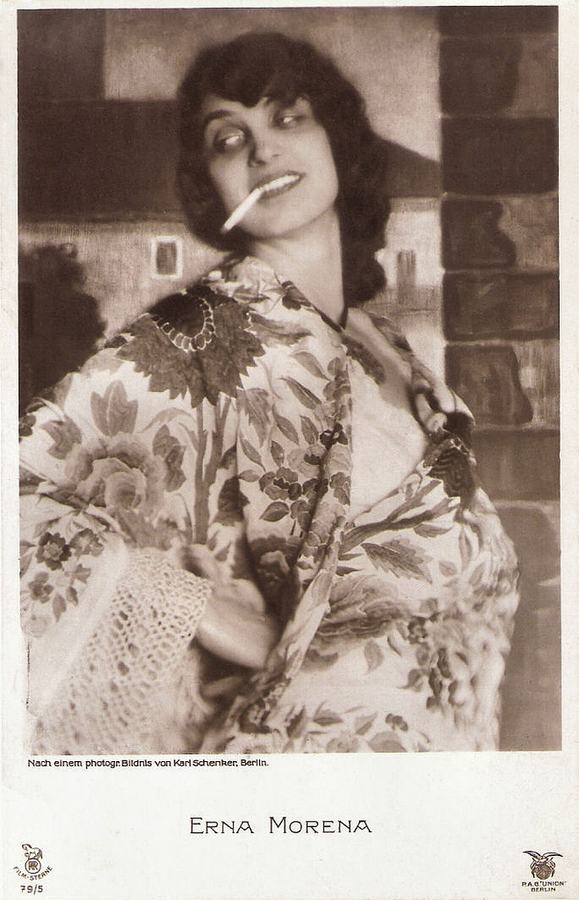
The circus dancer Lulu is a thoroughly liberal being. Although she loves her former savior, the clown Alfredo, she begins a relationship with the noble Henri von Reithofen.
Frank Wedekind
Germany
The Elemental Enigma: Unpacking the 1917 Vision of Lulu Cinema in 1917 was a landscape of rapid evolution, a medium struggling to transition from mere novelty to a sophisticated art form capable of handling the complexities of the human psyche. Amidst this backdrop, the adaptation of Frank Wedekind’s Lulu s...
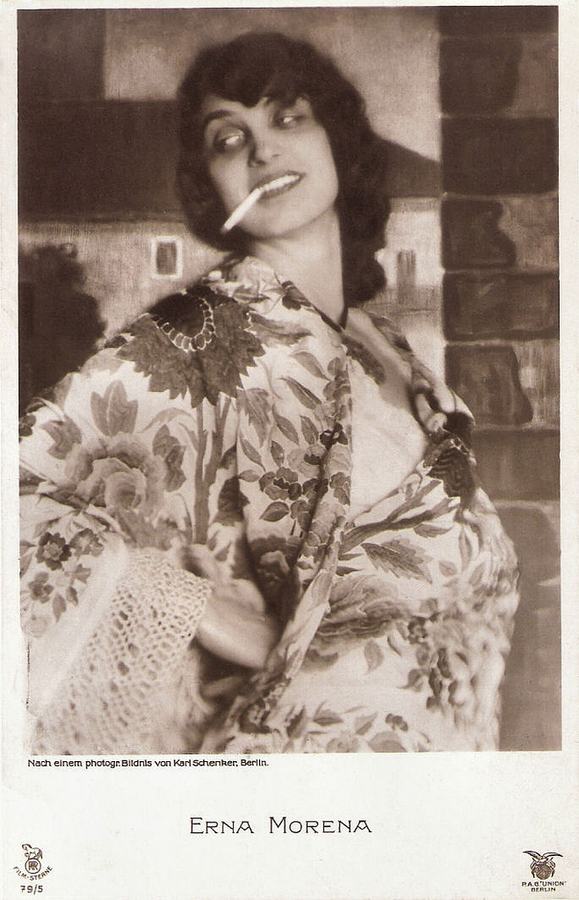
still_frame
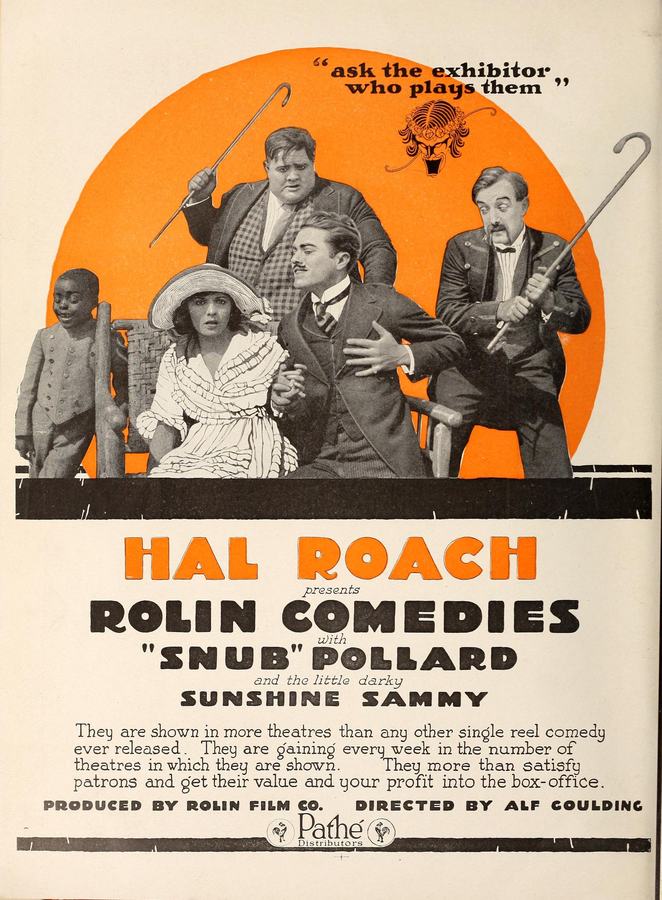
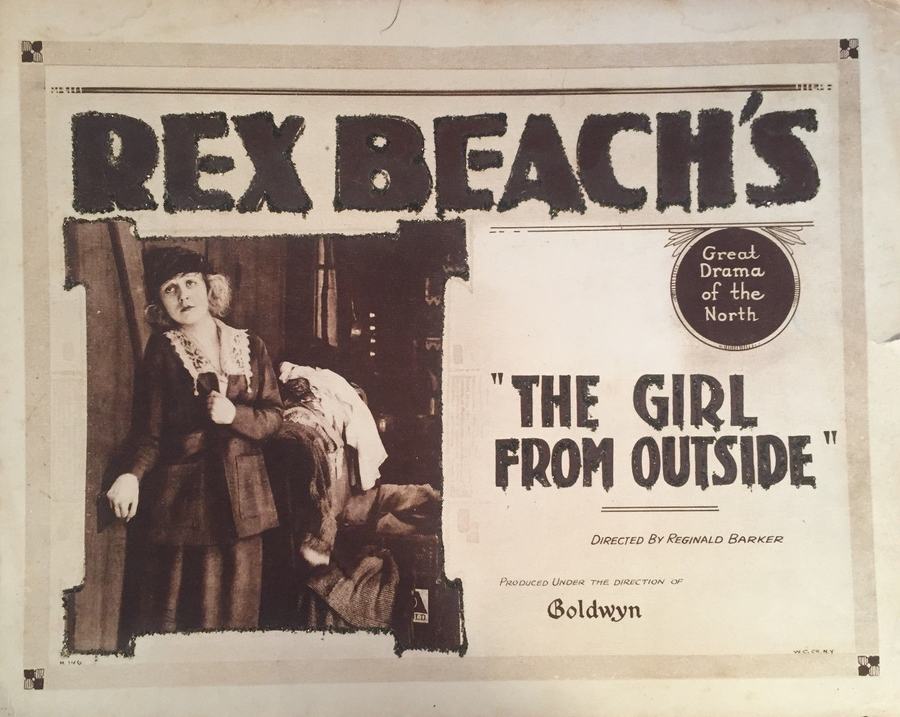
Comparing the cinematic DNA and archive impact of two defining moments in cult history.
Alexander Antalffy
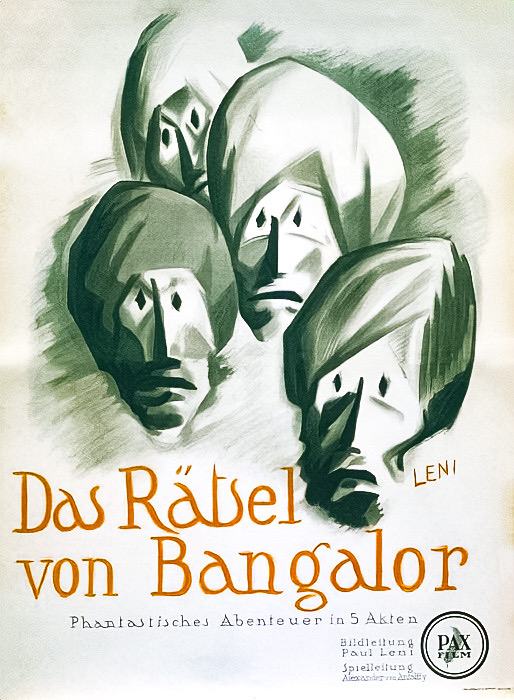
Alexander Antalffy
Community
Log in to comment.
" The Elemental Enigma: Unpacking the 1917 Vision of Lulu Cinema in 1917 was a landscape of rapid evolution, a medium struggling to transition from mere novelty to a sophisticated art form capable of handling the complexities of the human psyche. Amidst this backdrop, the adaptation of Frank Wedekind’s Lulu stands as a monumental, if often overlooked, milestone. This is not merely a story of a woman; it is an exploration of an archetype—the Erdgeist or Earth Spirit. As we navigate the ..."