
DbcultAccessing Vault...
Director's Spotlight
Senior Film Conservator
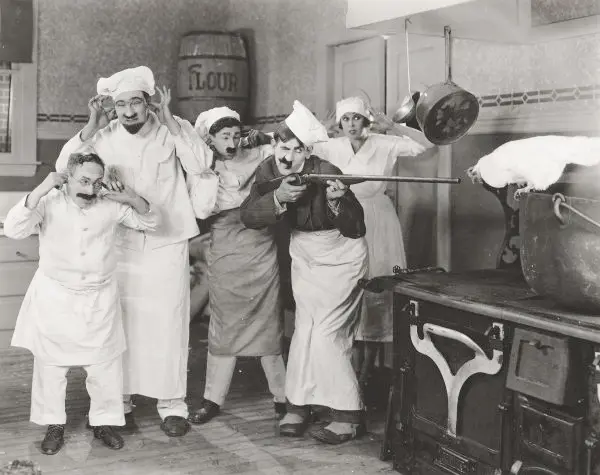
Director's Spotlight: United States
A Deep Dive into the 1926 Vision of Ray Grey
The 1926 release of Pay the Cashier marked a significant moment for the enduring legacy of Ray Grey's artistic contribution to the genre. By challenging the status quo of 1926 cinema, it has cemented its place in the global cult cinema archive.
In Pay the Cashier, Ray Grey pushes the boundaries of conventional narrative. The film's unique approach to its subject matter has sparked endless debates and interpretations among cinephiles and critics alike.
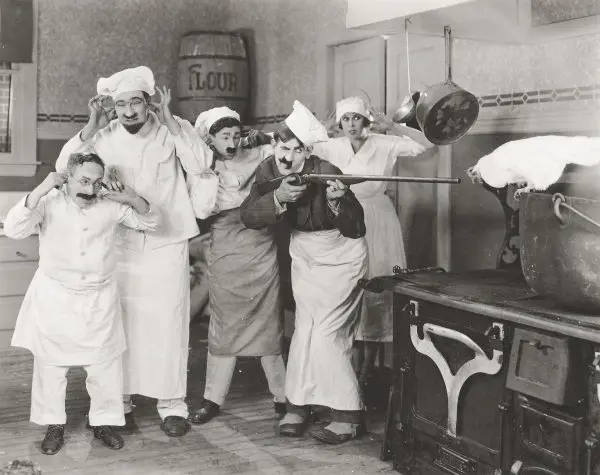
The visual language of Pay the Cashier is defined by its use of shadows and framing, a hallmark of Ray Grey's style. By utilizing a 1926-era palette, the film creates an immersive experience that perfectly complements its Comedy themes.
| Cinematography | Handheld |
| Soundtrack | Minimalist |
| Editing | Disjunctive |
| Art Direction | Baroque |
Visualizing the convergence of Ray Grey's style and the core Comedy narrative.
Paul finds himself alone and penniless in a small town and to add to his discomfort, he is exceedingly hungry. He enters a restaurant A-La-Cafeteria and before selecting the items that would make up an ordinary meal, he samples nearly everything on the layout before the proprietor gets wise to him. In revenge, the proprietor outs him to work and all would have gone well until Paul's inventive brain exerts itself and he induces the proprietor to install a new system, namely one of the LUNCH BASKET ORDER which automatically locks as the goods are put into it. The scheme worked nicely until one day with an unusual lunch hour rush, the baskets are all filled and a cry of fire soon empties the restaurant, guests baskets and all. This so annoys the proprietor that the last we see of Paul is his being flattened against the wall with the proprietor's two revolvers pointing at him.
Decades after its release, Pay the Cashier remains a vital piece of the cinematic puzzle. Its influence can be seen in countless modern works, solidifying Ray Grey's status as a master of the craft in United States and beyond.