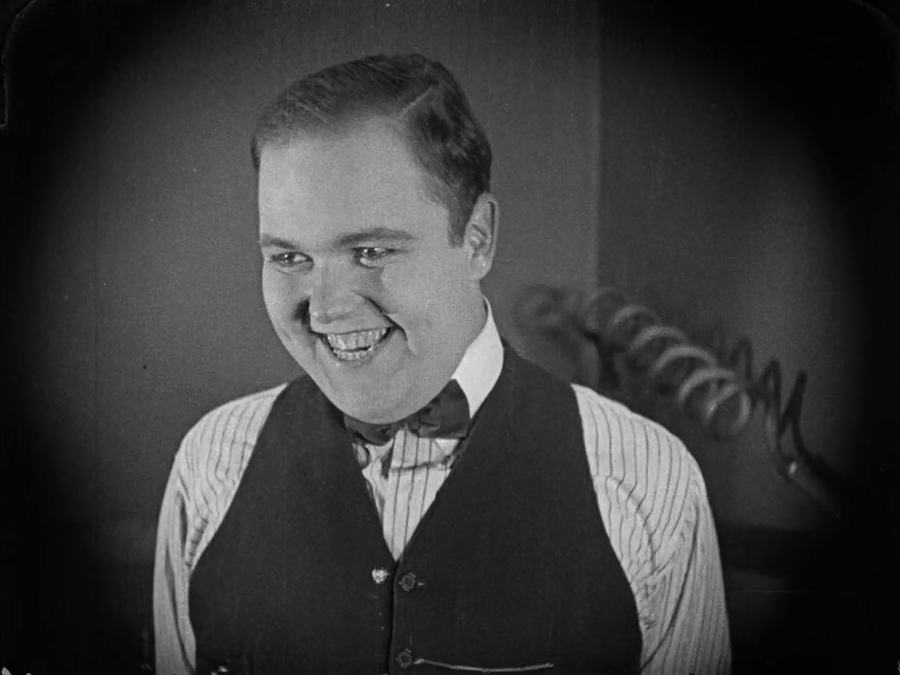
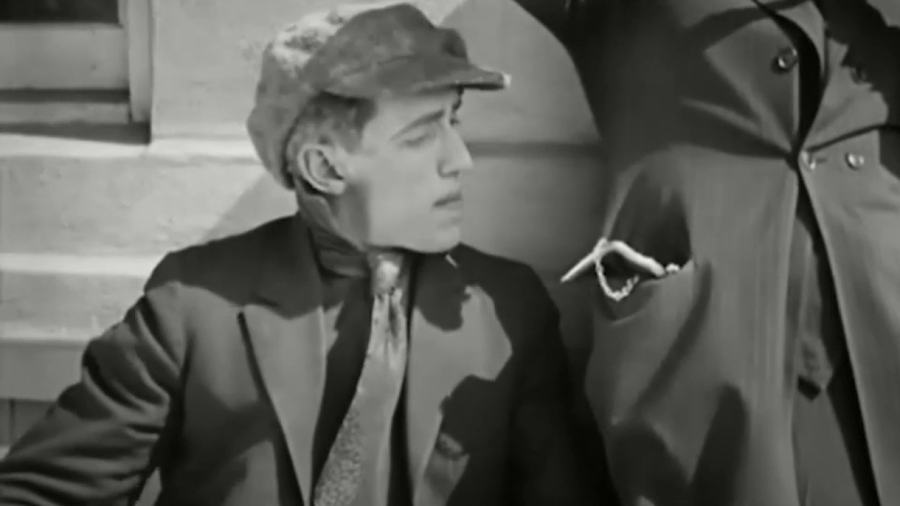
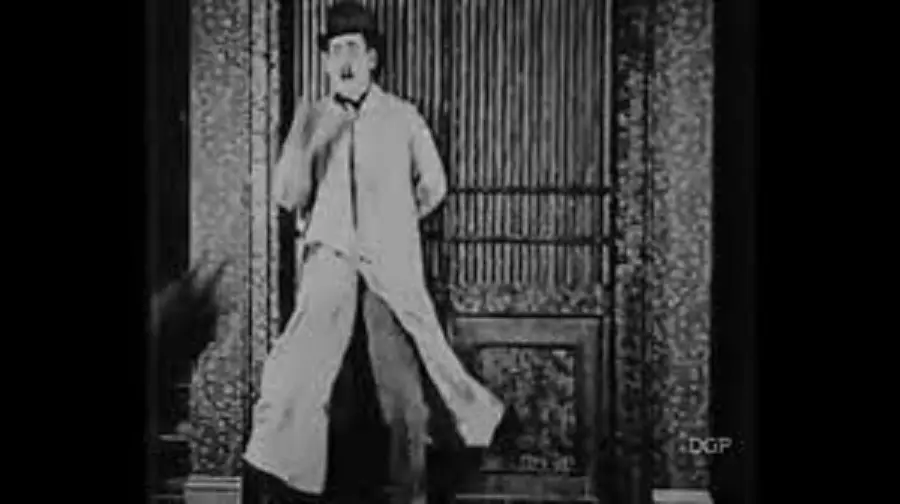
Paul finds himself alone and penniless in a small town and to add to his discomfort, he is exceedingly hungry. He enters a restaurant A-La-Cafeteria and before selecting the items that would make up an ordinary meal, he samples nearly everything on the layout before the proprietor gets wise to him.
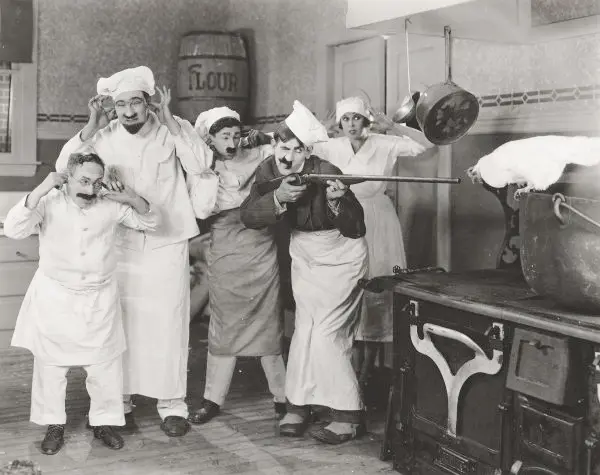
Is Pay the Cashier a mandatory relic for silent film buffs? Short answer: Yes, but only if you appreciate the frantic, mechanical slapstick of the pre-sync era and can stomach a surprisingly dark finale.This film is for historians of the Hal Roach era and those who find humor in the intersection of poverty and technolo...
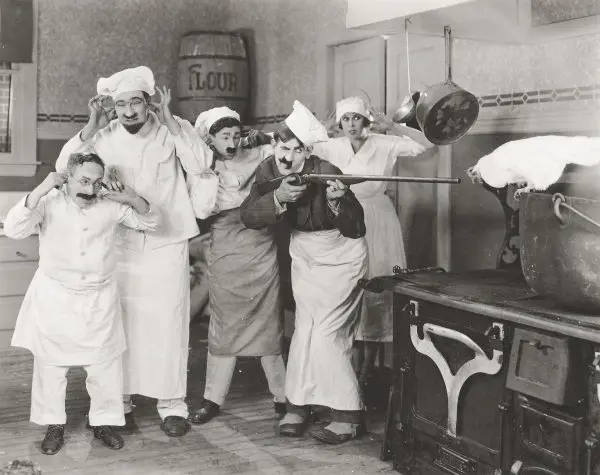
still_frame
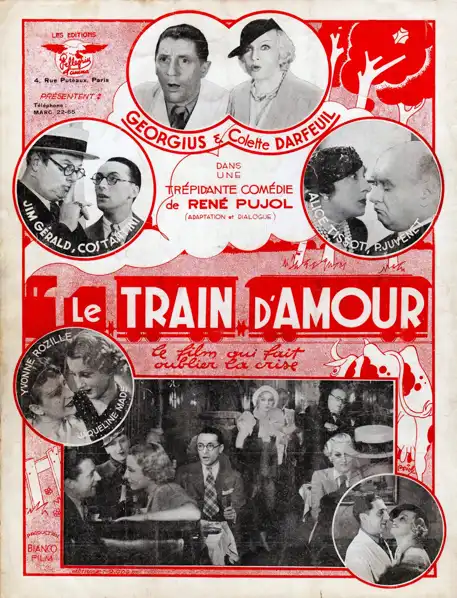
Comparing the cinematic DNA and archive impact of two defining moments in cult history.
Ray Grey
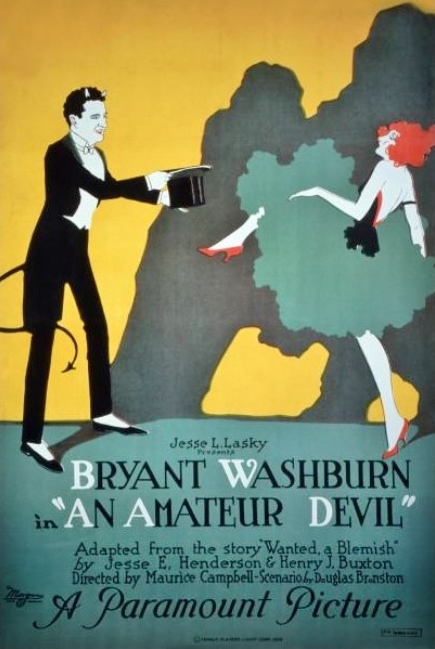
Maurice Campbell
Community
Log in to comment.
"Is Pay the Cashier a mandatory relic for silent film buffs? Short answer: Yes, but only if you appreciate the frantic, mechanical slapstick of the pre-sync era and can stomach a surprisingly dark finale.This film is for historians of the Hal Roach era and those who find humor in the intersection of poverty and technology. It is decidedly NOT for viewers who demand a tidy, happy resolution or high-definition visual clarity.The Verdict at a Glance1) This film works because it captures the specific..."
United States