
DbcultAccessing Vault...
Director's Spotlight
Senior Film Conservator
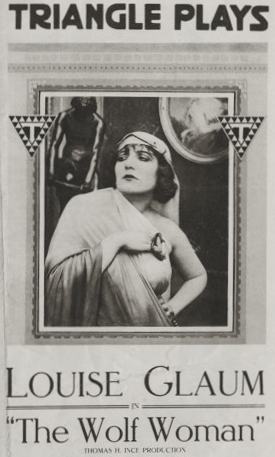
Director's Spotlight: United States
A Deep Dive into the 1916 Vision of Raymond B. West
In the grand tapestry of cult cinema, The Wolf Woman serves as a bridge between the philosophical inquiries that Raymond B. West embeds within the narrative. Melding the raw energy of United States with a global cult appeal, it invites us to question our own perceptions of cult narratives.
In The Wolf Woman, Raymond B. West pushes the boundaries of conventional narrative. The film's unique approach to its subject matter has sparked endless debates and interpretations among cinephiles and critics alike.
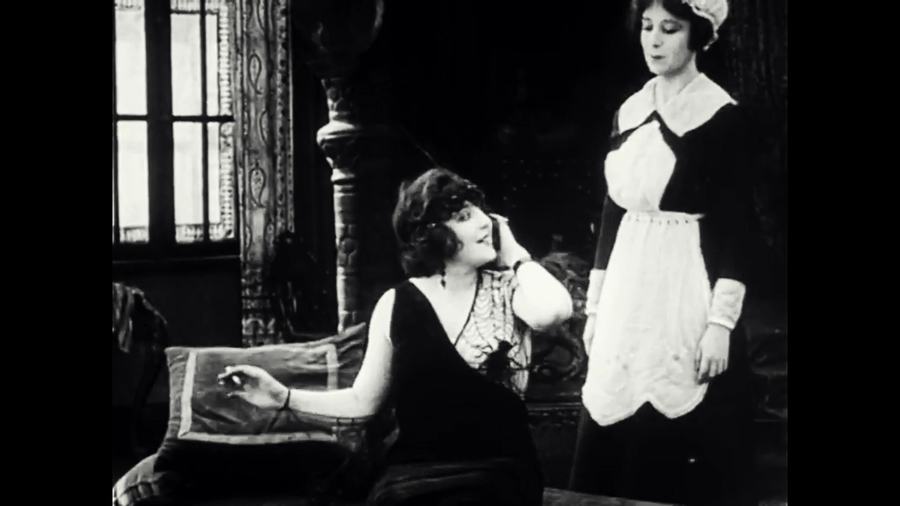
While deeply rooted in United States, The Wolf Woman has achieved a global reach, influencing directors from various backgrounds. Its ability to translate cult tropes into a universal cinematic language is why it remains a cult staple decades after its 1916 release.
| Cinematography | Deep Focus |
| Soundtrack | Synth-Heavy |
| Editing | Disjunctive |
| Art Direction | Baroque |
Visualizing the convergence of Raymond B. West's style and the core cult narrative.
An narcissistic woman with the ability to charm, Leila Aradella reaps delight from preying upon weak men. Her first victim is John Morton, a talented lawyer, whom she ruins both morally and financially. Her second victim, Rex Walden, the generous son of society matron Mrs. Walden, becomes her complete slave. Mrs. Walden sends her elder son Franklin to try to dissuade Leila from toying with Rex's affections. Franklin, however, also falls under Leila's spell, and Rex is driven to suicide by her callous behavior. Desperate, Mrs. Walden enlists Adele Harley, a girl of strong moral character, to fight Leila for Franklin's affections. Adele's determined victory causes Leila to lose her confidence, and in a drunken state, she cuts her own face with a shard from her shattered mirror. Permanently disfigured, Leila ends a broken and lonely woman.
Decades after its release, The Wolf Woman remains a vital piece of the cinematic puzzle. Its influence can be seen in countless modern works, solidifying Raymond B. West's status as a master of the craft in United States and beyond.