
DbcultAccessing Vault...
Director's Spotlight
Senior Film Conservator
Director's Spotlight: United States
A Deep Dive into the 1918 Vision of Raymond Wells
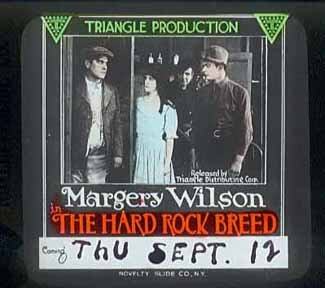
The artistic breakthrough represented by The Hard Rock Breed in 1918 highlights the uncompromising vision of Raymond Wells that defines this cult masterpiece. In the context of United States's rich cinematic history, it captures a specific kind of cinematic magic that is rarely replicated.
In The Hard Rock Breed, Raymond Wells pushes the boundaries of conventional narrative. The film's unique approach to its subject matter has sparked endless debates and interpretations among cinephiles and critics alike.
In this work, Raymond Wells explores the intersection of cult and United States cultural identity. The meticulous attention to detail suggests a deep-seated commitment to pushing the boundaries of the medium, ensuring that The Hard Rock Breed remains a relevant topic of study for cult enthusiasts.
| Cinematography | Handheld |
| Soundtrack | Synth-Heavy |
| Editing | Rhythmic |
| Art Direction | Naturalist |
Visualizing the convergence of Raymond Wells's style and the core cult narrative.
Donald Naughton, the lazy son of a self-made millionaire named Bill Naughton, is sent to his father's rock quarries to replace the crooked superintendent, Mike Carney. The job at first proves difficult for Don, who does not know how to handle the rock drillers, but is made somewhat more pleasant by the presence of Shiela Dolan, the pretty daughter of Naughton's old friend Lynch, an alcoholic. Don hires a new gang of workmen, but they prove to be anarchists secretly in Carney's employ. The young boss earns the respect of the regular hands by beating Jerry Shea in a fight, but Carney and his partner, Greek Louis, succeed in stirring up a strike. After Don and his men defeat Carney's agitators in a brawl, Don saves Carney from a lynch mob. The men return to work with a new respect for their boss, and Don wins Shiela's love.
Decades after its release, The Hard Rock Breed remains a vital piece of the cinematic puzzle. Its influence can be seen in countless modern works, solidifying Raymond Wells's status as a master of the craft in United States and beyond.