
Deep Dive
The Renegade Reel: Decoding the 1910s Subversions That Birthed Cult Obsession
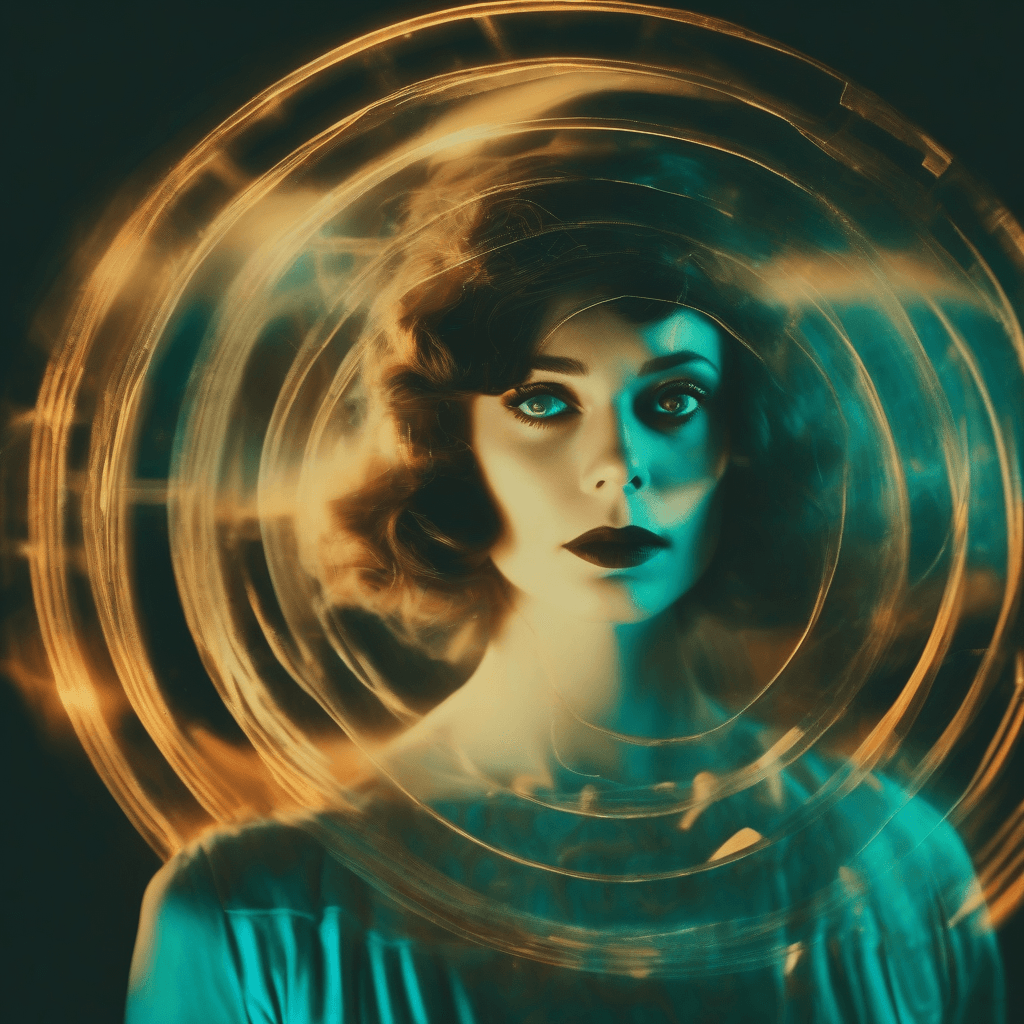
“A deep dive into the defiant narratives and visual anomalies of the 1910s silent era that laid the foundational DNA for modern cult cinema and midnight movie culture.”
The concept of the "cult film" is frequently tethered to the neon-soaked midnight screenings of the 1970s or the transgressive video store finds of the 1980s. However, the true genesis of the cult gaze—the obsessive, ritualistic devotion to the cinematic "other"—finds its roots much deeper in the soil of film history. Long before the term "midnight movie" was coined, the 1910s were producing a series of cinematic anomalies that defied the burgeoning mainstream conventions of Hollywood. These were films that dared to be messy, transgressive, and visually experimental, creating a blueprint for the subcultures that would follow decades later.
The Ancestry of the Abnormal
In the early 20th century, cinema was a medium in flux. While the industry was attempting to standardize narrative structures, a group of outliers was busy breaking the rules. These films, often referred to as "silent curiosities," were not merely primitive; they were subversive acts of creation. Consider the case of Madame X (1916). While on the surface a melodrama, its unflinching portrayal of a woman's descent into "degradation" after being cast out by a jealous husband contains the seeds of the "fallen woman" trope that would later dominate cult camp and underground drama. The film's intensity and its focus on social ostracization resonated with audiences who felt similarly alienated, a hallmark of the cult experience.
Similarly, The Honor System (1917) offered a brutal look at the Arizona Territorial Prison. This was not the escapist fare common to the era but a harrowing exploration of "inhumane torment" and corruption. By focusing on the systemic rot of an institution, it prefigured the "prison exploitation" subgenre that would become a staple of grindhouse theaters. This early appetite for the dark, the gritty, and the morally complex is what we now recognize as the proto-cult pulse.
The Frontier of Defiance: Westerns and the Outlaw Spirit
The Western genre is often viewed as the ultimate mainstream American myth, but in the 1910s, it was a playground for narrative defiance. The Gun Woman (1918), starring the legendary Texas Guinan, is a prime example of a film that subverts expectations. Guinan plays a saloon owner who takes violent revenge on a lover who swindled her. This is not the passive damsel of the era; she is a renegade force of nature. Her character's agency and the film's focus on female-led retribution make it an early ancestor of the "feminist revenge" cult classics of the 70s.
In the same vein, John Ford's Straight Shooting (1917) introduced the world to Harry Carey's "Cheyenne Harry," a character who exists on the fringes of morality. Cheyenne is sent to "finish off" a family of farmers but chooses instead to protect them. This transition from hitman to hero, set against the backdrop of a resource war over water, highlights the moral ambiguity that cult audiences crave. It isn't just about good versus evil; it's about the struggle of the individual against a corrupt system, a theme that resonates through the history of underground cinema.
The Celebrity of the Strange
Perhaps the most fascinating "cult" artifact of this era is Beating Back (1914). This film stars Al Jennings, a real-life Oklahoma lawyer and train robber who plays himself. The meta-narrative of a criminal reenacting his own exploits on screen for an audience of captivated onlookers is a precursor to the modern obsession with "so-bad-it's-good" celebrity and the cult of personality. It blurs the line between reality and fiction, creating a spectacle of the authentic that is both jarring and hypnotic.
Melodramatic Excess: The Cult of the Suffering Icon
Cult cinema often thrives on excess—excess of emotion, excess of style, and excess of tragedy. The 1910s melodramas provided this in spades. A Light Woman (1920) and The Family Cupboard (1915) explored the fractures within the American family with a theatrical intensity that bordered on the surreal. In The Family Cupboard, a self-made man's fortune leads to his wife's obsession with society and his son's eventual disillusionment. The film's focus on the "skeletons in the closet" provided a voyeuristic thrill that anticipated the "suburban gothic" cult films of later years.
Then there is La dixième symphonie (1918), a masterpiece by Abel Gance. Gance, who would later go on to direct the epic *Napoléon*, was already experimenting with visual metaphors and rhythmic editing. The story of a composer whose wife hides a "past life of debauchery" is elevated by Gance's visual alchemy. He attempted to translate the feeling of music into cinematic images, creating a sensory experience that was far ahead of its time. This kind of formalist experimentation is exactly what draws cult cinephiles to "lost" masterpieces; the sense that the director was speaking a language the rest of the world hadn't yet learned to hear.
Identity and Independence: Breaking the Monolith
One of the most important aspects of cult cinema is its ability to represent the underrepresented. In the 1910s, this was a radical act. The Green-Eyed Monster (1919), produced by the Norman Film Manufacturing Company, featured an all-Black cast in a high-stakes railroad melodrama. By operating outside the white-dominated studio system, these "race films" created their own independent cinematic universe. They were films made for a specific community, fostering a unique and loyal audience—the very definition of a cult following.
Similarly, The Birth of a Race (1918) was an ambitious attempt to counter the racist narratives of the time. Though its production was plagued by difficulties and its final form was a fragmented epic, its existence is a testament to the power of cinema as a tool for social subversion. It sought to detail the evolution of democracy and the "birth" of a new identity, moving from biblical times to the discovery of America. Its messy, sprawling nature and its unapologetic ambition make it a fascinating object of study for those interested in the fringes of film history.
The Genre-Bending Anomalies
Cult films often refuse to stay within the lines of a single genre. We see this in Der Hund von Baskerville (1914), an early German adaptation of Sherlock Holmes that features two versions of the detective and omits Dr. Watson entirely. This kind of "unfaithful" adaptation creates a narrative dissonance that modern viewers find charming and bizarre. It is a Sherlock Holmes story through a fever-dream lens, emphasizing the atmospheric and the macabre over the purely logical.
Even the comedies of the era, such as Monkey Business (1917) and Hoot Toot (1918), displayed a level of chaotic energy that prefigured the "absurdist cult" movement. In Hoot Toot, the character Magnolia Milkshake tries to join the Red Cross and a rifle corps to compensate for her husband's "overweight" status. The sheer absurdity of the premise and the physical comedy involved point toward a tradition of the "unruly body" in cinema, a theme that would later be explored by cult icons like Divine or John Waters.
Visual Fables and the Garden of the Strange
The 1910s also saw the rise of the "cinematic fable," films that used stylized sets and whimsical narratives to create a sense of "otherworldliness." Prunella (1918) is a standout in this regard. The story of a girl guarded by her three aunts—Prim, Prude, and Privacy—who falls for a troupe of strolling players, is told with a dreamlike aesthetic. The garden walls and the peeping over the hedge are visual metaphors for the transition from innocence to experience, a recurring theme in the "coming-of-age" cult subgenre.
Contrast this with The Source (1918), where a young man of high social standing chooses to live as a hobo. This "slumming it" narrative, which eventually involves uncovering German spies in a lumber camp, combines social commentary with high-stakes intrigue. The image of the "gentleman hobo" is a classic cult archetype—the man who rejects his privilege to find a more authentic, albeit dangerous, life on the road. It taps into the wanderlust and rebellion that have always fueled underground film cultures.
Conclusion: The Eternal Midnight
When we look back at the films of the 1910s, we aren't just looking at the "early days" of a medium; we are looking at the primordial soup of cult cinema. From the transgressive melodramas like Madame X to the outlaw energy of The Gun Woman, these films established a tradition of defiance. They proved that cinema didn't have to be perfect to be powerful; it just had to be different. The renegade reels of the silent era were the first to invite audiences into the dark, to show them something strange, and to ask them to come back again and again.
The ritual of the cult film—the shared knowledge, the celebration of the anomaly, and the love for the "unseen"—did not start at a midnight screening in New York. It started in the nickelodeons and the early movie palaces, where films like The Green-Eyed Monster and La dixième symphonie first flickered onto the screen. They were the original shadows of subversion, and their influence continues to haunt every projector that runs long after the sun has gone down. To understand the cult movie, one must first understand the 1910s, the decade where the rules were made just so they could be broken.
Community
Comments
Log in to comment.
Loading comments…