Cult Cinema Deep Dive
The Forbidden Anatomy of Obsession: How Silent Era Transgressions and Gender-Bending Rebels Forged the Cult Movie DNA
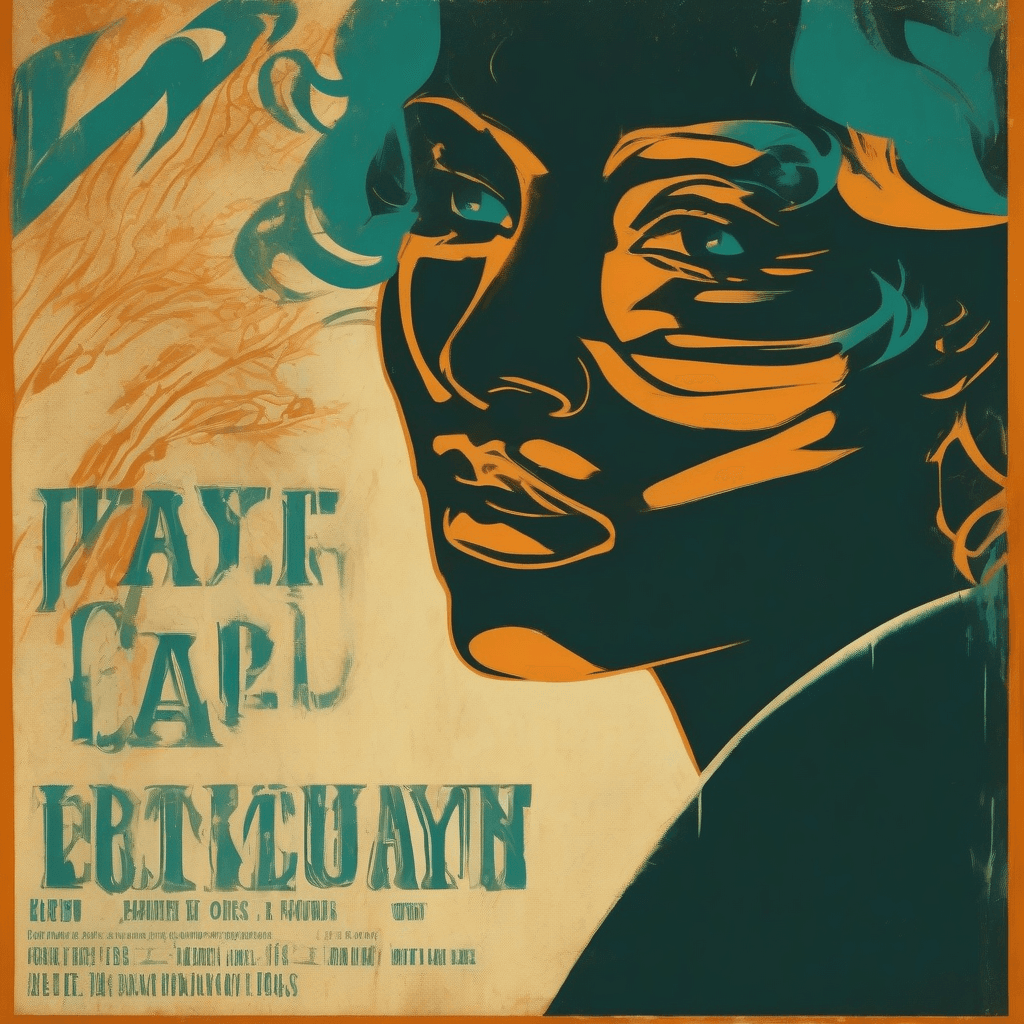
“Explore the hidden origins of cult cinema through the lens of silent era subversions, where gender-bending, moral ambiguity, and experimental narratives first challenged the mainstream.”
The history of cult cinema is often erroneously traced back to the smoky, neon-lit midnight screenings of the 1970s. We think of the grit of the 42nd Street grindhouses or the surrealist provocations of the New Wave. However, the true genetic blueprint of cult obsession was written decades earlier, in the flickering shadows of the silent era. Between 1910 and 1920, a series of cinematic anomalies emerged that defied the burgeoning moral codes of the industry, experimenting with gender fluidity, moral nihilism, and meta-textual narratives that would eventually become the hallmarks of underground film culture.
The Rise of the Vamp: Obsession and the Fatal Feminine
Central to the birth of the cult gaze was the figure of the 'Vamp'—a character type that weaponized female agency and desire against the status quo. In The Eternal Sappho, inspired by Alphonse Daudet’s novel, we witness a variation of this archetype that feels startlingly modern. The narrative of a beautiful woman whose scheme to marry wealth fails, driving her back to a sculptor lover, explores themes of artistic obsession and social ruin. This isn't just melodrama; it is the precursor to the 'femme fatale' of noir, a character designed to be obsessed over by an audience that craves the dangerous and the transgressive.
The 'Baby Vamp' also made her debut during this era, most notably in Upstairs and Down. Alice Chesterton, portrayed by Olive Thomas, flirts with the boundaries of social acceptability at a Long Island house party. By labeling her a 'Baby Vamp,' the film acknowledges a subculture of youthful rebellion and performative sexuality. This fascination with the 'social misfit' who disrupts the boring lives of the elite is a cornerstone of cult narratives, from the flappers of the 20s to the punks of the 80s.
Gender Subversion and the Transgressive Body
Perhaps the most radical element of these early silent anomalies is their playfulness with gender roles. Long before the 'gender-bending' of glam rock or contemporary queer cinema, films like Good Gracious, Bobby and The Lamb and the Lion were exploring the fluidity of identity. In Good Gracious, Bobby, the protagonist assumes feminine apparel to act as a chaperone, leading to embarrassing yet relished situations. This use of drag—not merely as a gag, but as a temporary escape from the rigid expectations of masculinity—prefigures the camp aesthetic that would later define much of cult cinema.
Similarly, The Crucible presents us with Jean, a girl raised in a 'boyish manner' by her father, whose non-conforming upbringing lands her in a reformatory. Her escape and subsequent meeting with Craig Atwood in the woods frame her 'otherness' as a source of conflict and eventual liberation. In The Lamb and the Lion, the character 'Boots' dresses in boy’s clothes to join a band of crooks. These films utilized sartorial subversion to comment on the performative nature of gender, creating a space for audiences who felt similarly out of step with the era's hyper-defined binary.
The Dark Mirror: Duality and the Monstrous Self
Cult cinema has always been obsessed with the 'double'—the idea that within every civilized man lies a dormant beast. The 1920 adaptation of Dr. Jekyll and Mr. Hyde is the definitive text for this obsession, using scientific experimentation to release the 'dark side' of man. This exploration of the monstrous within resonated with a post-war audience grappling with the horrors of industrial slaughter. But the theme of duality wasn't limited to horror.
In The Devil’s Double, we see the psychological toll of this duality through the lens of art. An artist named Van Dyke Tarleton becomes obsessed with creating 'Lucifer, Son of the Morning,' seeking a model that can embody 'brooding evil' and 'sardonic sin.' This meta-commentary on the creative process—where the artist must descend into darkness to produce something meaningful—is a recurring trope in the 'tortured artist' subgenre of cult film. It suggests that the act of creation itself is a transgressive, almost occult ritual.
The Meta-Cinema: Breaking the Fourth Wall of Reality
One of the most sophisticated traits of modern cult cinema is its self-awareness—the way it comments on its own existence as a film. We see the seeds of this in A Girl’s Folly, where a restless rural girl stumbles upon a film crew shooting a Western. The film-within-a-film structure allows for a critique of the industry’s artifice while simultaneously indulging in it. It invites the audience to peek behind the curtain, fostering a sense of insider knowledge that is essential to cult fandom.
Idle Wives takes this a step further by depicting the act of movie-going as a catalyst for domestic upheaval. As different characters—a neglected wife, a rebellious daughter, and a working man—watch the same film, their lives are irrevocably changed. This is a profound acknowledgment of the power of the medium. It suggests that the cinema is not just a place for entertainment, but a secular temple where the gaze of the audience can transform reality. For the cult film enthusiast, the movie is never 'just a movie'; it is a life-altering event.
Moral Outliers and the Beauty of the Macabre
The cult gaze is often drawn to the 'miser' or the 'outcast'—characters who exist on the fringes of the economy and morality. The Dollar and the Law and Boundary House explore the psychological landscape of the miser. In Boundary House, the gothic undertones are heightened by a miser who forces a girl to pose as his dead wife. This blend of obsession, grief, and coercion creates a dark, atmospheric tension that prefigures the 'hagsploitation' or 'gothic horror' cycles of later decades.
Even the more 'traditional' genres of the time were being warped into something stranger. De mystiske z straaler (The Mysterious Z-Rays) combines circus performance with science fiction, featuring an inventor who constructs a lethal light beam. This intersection of the mundane (the circus) and the extraordinary (the death ray) is a hallmark of the 'weird menace' pulps and the B-movies that would eventually populate the cult canon. It reflects a world where technology is a source of both wonder and existential dread.
The Exotic Gaze and the Savage Other
Cult cinema frequently traffics in 'the exotic,' often through a lens that is problematic yet undeniably fascinating in its absurdity. The Savage Woman features Renee, an explorer who is mistaken for the Queen of Sheba and taken to Paris to incite jealousy in a former lover. The movement from the 'wilds' of Africa to the high society of Paris highlights the era's obsession with the 'primitive' as a tool for social manipulation. This fascination with the 'other'—whether it be the Viking daughter in A Modern Thelma or the revolutionary Pedro Pezet in Rogues and Romance—demonstrates the cult audience's desire to escape the confines of their own cultural identity.
In The Sea Flower, we see the blend of espionage and nautical adventure, with secret service agents and German spies smuggling arms. These narratives of international intrigue and hidden agendas provided the 'thrill-seeking' element that would later evolve into the high-octane action and conspiracy thrillers of the underground circuit. They offered a sense of danger that the domestic dramas of the time could not match.
Conclusion: The Eternal Return of the Silent Outcast
By examining these 50 films—from the social climbing of False Ambition to the bushranger heroics of Robbery Under Arms—we see a pattern of defiance. These were films that pushed against the boundaries of what was 'proper' or 'expected' in a young medium. They celebrated the misfit, the con artist, the cross-dresser, and the obsessive creator. They understood that the most compelling stories are often found in the margins, where the light of the projector meets the darkness of the human psyche.
The cult movie is not a modern invention; it is a primal urge. It is the desire to see the 'unseen,' to celebrate the 'uncelebrated,' and to find beauty in the 'bizarre.' As we look back at the silent era, we realize that the true architects of cult cinema were the directors, writers, and actors who, over a century ago, dared to make the screen a place of transgression. Whether it was the 'Baby Vamp' Alice Chesterton or the 'Lucifer' obsessed Van Dyke Tarleton, these characters continue to haunt our cinematic consciousness, proving that the silent era’s anomalies are the eternal ancestors of our modern midnight obsessions.
Ultimately, the legacy of films like The Cheat, with its shocking depictions of social desperation, or The Fall of Babylon, with its epic scale and tomboy heroines, reminds us that cinema has always been a battleground for the soul. The cult film is the survivor of that battle—the reel that refused to be forgotten, the story that refused to fit in. In the end, we don't just watch these films; we join their cult.
Community
Comments
Log in to comment.
Loading comments…