
Cult Cinema Deep Dive
The Celluloid Subversives: Decoding the Primal Transgressions and Moral Outliers of the Silent Era
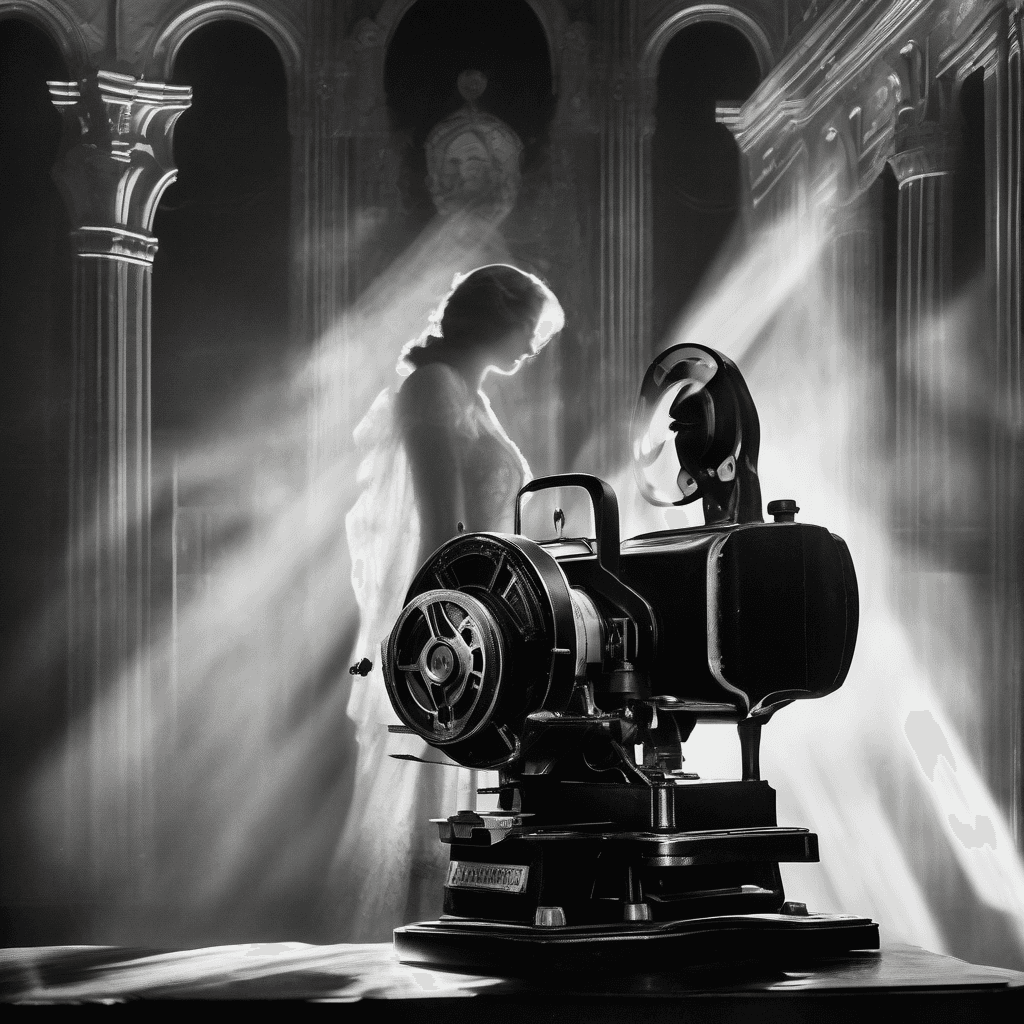
“Explore the hidden history of cult cinema through the lens of early 20th-century anomalies that challenged social norms and redefined genre boundaries.”
The history of cult cinema is often erroneously confined to the neon-soaked midnight screenings of the 1970s and the VHS-fueled obsession of the 1980s. However, the true DNA of the transgressive gaze was forged long before the advent of sound. To understand the modern midnight movie, one must descend into the flickering shadows of the 1910s and early 1920s, an era where the cinematic vocabulary was being written by rebels, outcasts, and visionaries. These early films were not just entertainment; they were experiments in social friction, psychological depth, and visual rebellion that set the stage for every underground movement that followed.
The Hypnotic Root: Somnambulism and the Birth of Expressionism
At the heart of early cult obsession lies the fascination with the subconscious and the loss of agency. No film exemplifies this better than the 1920 masterpiece The Cabinet of Dr. Caligari. By utilizing jagged, painted sets and a narrative centered on a hypnotist who uses a somnambulist to commit murders, the film broke away from the traditional realism of its time. This was the birth of a specific cult aesthetic: the world as a distorted reflection of a fractured mind. The influence of Caligari can be seen in the Italian production Ipnosi, which similarly delved into the terrifying power of mental control, a theme that would recur in cult cinema from 'The Manchurian Candidate' to 'Get Out'.
These films tapped into a primal fear of the 'other' within ourselves. The somnambulist Cesare is the ultimate cult figure—a tragic, silent pawn caught between life and death. This fascination with the liminal state provided a blueprint for the zombie genre and the psychological thriller. When we look at the strange, rhythmic movements and the stark lighting of these early reels, we are seeing the first instances of cinema as a sensory ritual, designed to unsettle as much as to captivate.
The Fallen Woman and the Social Outcast: Melodrama as Rebellion
While German Expressionism provided the visual language of cult, the American and European melodramas of the era provided the moral ambiguity. The figure of the 'fallen woman' or the social pariah was a staple of the 1910s, often used to critique the rigid class structures of the Gilded Age. In Camille (1915), we see the courtesan Marguerite Gauthier navigate a world that demands her sacrifice. This narrative of the noble outcast is a foundational pillar of cult cinema, where the protagonist often exists on the fringes of 'polite' society.
Class Warfare and Moral Complexity
Consider The Notorious Mrs. Sands or Mrs. Dane's Defense. These films explored the consequences of past indiscretions and the crushing weight of social reputation. In The Notorious Mrs. Sands, Mary Ware is forced to choose between love and financial salvation, a conflict that highlights the transactional nature of high society. Similarly, Mrs. Dane's Defense examines the impossibility of escaping one's history, a theme that resonates in the noir films of the 1940s and the 'loner' cult films of the 1970s. These are not merely stories of regret; they are indictments of a system that punishes the vulnerable while protecting the corrupt, much like the narrative arc in Public Defender, where bank clerks are framed for the crimes of their superiors.
The Shadow of the Law: Crime, Guilt, and the Underground
The cult gaze is inherently attracted to the dark underbelly of the city. The 1910s saw the rise of the 'crook drama,' a precursor to the heist film and the hardboiled detective story. The Tower of Jewels and The Rogues of London offered audiences a glimpse into a world of thieves, smugglers, and moral gray zones. In The Tower of Jewels, the character of Emily Cottrell represents the 'reformed' criminal, a figure who must constantly battle the pull of her former life. This internal struggle is the essence of the cult anti-hero.
In The Rogues of London, the subversion of the 'cleric's son' trope—where the innocent is framed for the murder of a mistress—showcases the era's willingness to drag traditional symbols of morality through the mud. This cynical view of justice is also present in $30,000, a mystery where a struggling attorney is thrust into a web of high-stakes theft. These films were the 'pulp fiction' of their day, consumed by audiences who craved stories that reflected the grit and uncertainty of modern life.
Gothic Desires and the Call of the Wild
Cult cinema often retreats into the fantastic or the remote to explore human nature. The 1920 adaptation of Treasure Island and the adventure-drama Miss Nobody represent the era's fascination with the 'frontier' as a place of lawless transformation. In Miss Nobody, a girl raised by smugglers on Devil's Island becomes a symbol of wild, untamed humanity. This 'feral' protagonist is a recurring motif in cult films that celebrate the rejection of civilization.
The Horror of the Domestic
Conversely, films like Babbling Tongues and Thou Shalt Not Covet found horror in the domestic sphere. Babbling Tongues uses the trope of the 'gossiping neighbor' to destroy a marriage, highlighting the destructive power of the community—a theme later perfected in folk horror. Thou Shalt Not Covet takes this a step further, depicting a scientist's obsession with his neighbor's wife. These films suggest that the true monsters aren't somnambulists or pirates, but the people living next door. The psychological tension in these works, such as the 'unmerciful beating' depicted in Der Stern von Damaskus, pushed the boundaries of what was permissible on screen, creating a 'forbidden' allure that is the hallmark of cult appeal.
The Aesthetics of the Anomaly: Gender and Identity
The silent era was surprisingly fluid in its depiction of gender and identity, often out of necessity or artistic eccentricity. In Souls Enchained, the character of Alba is described as a 'rare passionate woman' who seeks excitement in the 'sports of the air.' This portrayal of a woman seeking agency through danger and physical prowess was a radical departure from the 'damsel in distress' archetype. Similarly, Deuce Duncan features a woman who becomes a barmaid in the West to support her brother, navigating a hyper-masculine world with grit and determination.
The 'misfit' narrative is also central to The Square Deceiver, where a multimillionaire disguises himself to find true love, and Human Stuff, where an 'Eastern boy' must prove his worth in the rugged West. These stories of transformation and hidden identity speak to the cult audience's desire for self-reinvention. They suggest that identity is not fixed, but a performance—a concept that would become central to the camp and queer cinema movements decades later.
The Legacy of the Silent Fringe
As we look back at films like The Hidden Scar, with its themes of illegitimate children and secret pasts, or The Mother Instinct, which deals with trauma and separation, we see the foundations of the 'emotional extremism' that defines cult cinema. These films were not afraid to be 'too much'—too dark, too sad, too strange, or too violent. They operated outside the emerging 'studio system' logic of mass appeal, instead targeting the specific anxieties and desires of their contemporary audience.
Even the comedies of the era, such as An Oil-Can Romeo or Just Dropped In, possessed a surreal, slapstick energy that bordered on the grotesque. In Just Dropped In, the image of characters dropping from a runaway airplane onto a native island prefigures the 'absurdist' cult comedy. These films remind us that the 'mainstream' is a historical construct, and that the 'fringe' has always been the true engine of cinematic innovation.
Conclusion: The Midnight Sun
The silent era was not a primitive prelude to 'real' cinema; it was a wild, unregulated frontier where the rules were being broken as fast as they were being made. By revisiting the moral outliers and genre-bending anomalies of the 1910s, we gain a deeper appreciation for the roots of our own cinematic obsessions. Whether it is the expressionistic nightmare of Caligari, the social defiance of Camille, or the gritty realism of The Rogues of London, these films continue to haunt our screens, proving that the cult gaze is as old as the medium itself. As long as there are stories that challenge the status quo, there will be an audience waiting in the shadows, ready to turn a forgotten reel into a timeless ritual.
Community
Comments
Log in to comment.
Loading comments…