
Cult Cinema
The Celluloid Alchemist: How 1910s Silent Anomalies Engineered the Cult Movie Obsession
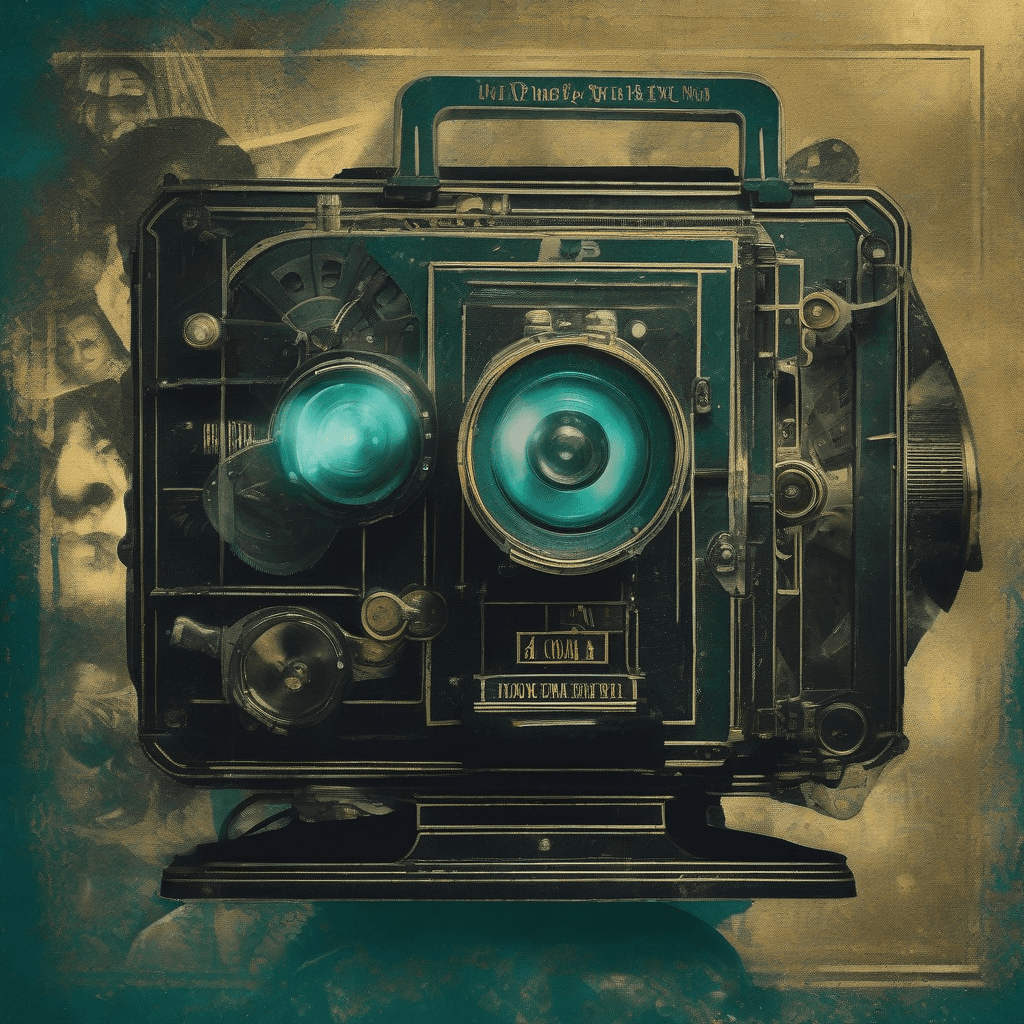
“Explore the transgressive roots of cult cinema through the forgotten masterpieces and silent era anomalies of the 1910s that defined the midnight movie DNA.”
To the modern cinephile, the term cult cinema often conjures images of neon-drenched 1970s midnight screenings, grain-heavy grindhouse features, or the campy excess of the 1980s. However, the true genesis of the cult gaze—that specific, obsessive, and often transgressive way of consuming film—lies much deeper in the historical strata. Long before the term was coined, the 1910s were producing a series of silent era anomalies that functioned as the primal blueprints for underground obsession. These were films that defied the burgeoning Hollywood hegemony, embraced moral ambiguity, and experimented with genre-bending narratives that still resonate with the rebel soul of modern fandom.
The Subversive Feminine: Vamps and Rebels
One of the most potent elements of cult cinema is its willingness to subvert traditional gender roles, a trait that was surprisingly prevalent in the early 20th century. Consider the curious case of A He-Male Vamp. In an era where the 'Vamp' was typically a female archetype of seduction and destruction, this film toyed with the very concept of gendered power dynamics. The narrative of a daughter whose marriage is bartered for her father’s millions—only for her to seize her own destiny with her sweetheart—reflects a proto-feminist defiance that would later become a hallmark of cult heroines. This isn't just a comedy; it is a rejection of the patriarchal bargain, a theme that echoes through the decades into the transgressive cinema of the 1960s.
Similarly, Magda presents a visceral look at the 'stifled' life within provincial villages. When Magda is cast out for refusing to adhere to regimented thinking, she becomes a martyr for the individualistic spirit. This narrative of the 'outcast' making their own way is the quintessential cult movie arc. It speaks to the audience’s desire to see the status quo challenged by a figure who refuses to be broken by the 'provincial thinking' of the masses. In the 1910s, this was a radical departure from the moralizing Victorian dramas that dominated the era.
Class Warfare and the Domestic Grotesque
Cult cinema often thrives on the friction between social classes, exposing the rot beneath the veneer of respectability. The 1919 film Home is a masterclass in this early social subversion. By telling the story of Millicent Rankin, a girl who hides her father’s profession as a plumber to fit in at a fashionable boarding school, the film critiques the artifice of the upper class. This theme of 'the lie' and the eventual collapse of social standing is a recurring motif in the works of directors like John Waters or Todd Solondz. It is the 'domestic grotesque'—the realization that our social identities are often fragile masks.
This critique extends into the industrial sphere with Out of the Darkness. Helen Scott’s journey from a socialite to someone who must confront the 'hard-fisted' reality of her uncle’s business practices mirrors the awakening of the cult protagonist. These films weren't just entertainment; they were mirrors held up to a rapidly changing society, reflecting the anxieties of a world moving from the agrarian to the industrial. The 'darkness' mentioned in the title is as much about moral blindness as it is about the literal coal mines and factories that fueled the era.
The Western Myth and the Construction of Identity
The Western is perhaps the most analyzed genre in film history, but its cult iterations often focus on the 'outsider' or the 'deconstructed' hero. West Is West and Keith of the Border provide early examples of the cowboy as a figure of existential displacement. In West Is West, Dick Rainboldt is a cowboy out of funds, forced into a job that sends him to a mine—a far cry from the romanticized image of the lone rider. This grounded, often gritty look at the Western frontier prefigures the 'acid westerns' of the 1960s.
Recreating the Rowdy Heyday
Perhaps the most 'meta' example of this is Wild and Woolly. The premise—a town scrambling to recreate its 'rough and rowdy heyday' to satisfy a rich newcomer’s fantasies—is a stunningly modern look at the construction of myth. This is essentially a film about the performance of genre. It highlights the gap between the 'civilized' reality and the 'wild' fiction we crave. This self-awareness is a key component of the cult movie experience; the audience is in on the joke, aware of the tropes being manipulated. It is the 1910s equivalent of a postmodern deconstruction.
The Serialized Soul: Birth of the Binge Culture
Modern cult fandom is built on the ritual of repetition and the deep dive into lore. The early 20th-century serials like The Seven Pearls and Beatrice Fairfax were the ancestors of this obsessive consumption. The Seven Pearls, with its Sultan’s necklaces and masked figures, offered a sense of mystery and 'to be continued' tension that kept audiences returning week after week. This episodic nature allowed for a deeper connection with the characters and the world, creating a 'fan' culture before the term even existed.
In Beatrice Fairfax, the use of a real-world figure (the editor of the New York Evening Journal) to frame the narrative added a layer of 'transmedia' storytelling. Cult cinema often blurs the lines between reality and fiction, and these serials were the first to master that art. They weren't just films; they were events, rituals that defined the weekly schedule of the early moviegoer.
Transgression, Racism, and the Moral Outlier
Cult cinema does not shy away from the darker aspects of the human condition, including systemic injustice. The Yaqui stands as a haunting example of early cinema’s engagement with racism. The story of a poor Yaqui Indian who loses his family due to the actions of a racist Mexican officer, Martinez, is a stark, tragic narrative that refuses to offer easy comfort. It is a film that forces the viewer to confront the 'moral outlier'—the villain whose evil is rooted in the structures of power.
In a similar vein, In Slumberland explores the predatory nature of power through Peter Kennedy, a landlord who seeks to eliminate a tenant’s husband to possess the woman. This is 'noir' before noir existed. It is a world where the 'slumberland' of the title is a nightmare of greed and lust. These films were the 'underground' voices of their time, speaking to the fears of the marginalized and the exploited.
The Alchemical Blend: Genre-Bending and Myth
The true power of these 50 contextual films lies in their refusal to stay within the lines. The Triumph of Venus blends mythology with a sense of the grotesque, as Vulcan entangles Venus and Mars in a magic net. It is a visual spectacle that prioritizes the 'strange' over the 'standard.' Meanwhile, The Life of Moses brought the epic, religious scale to the screen, showing the 'persecution of the children of Israel' with a grandeur that would influence the 'sword and sandal' cult classics of later years.
Even the seemingly lighthearted films like Baron Olson or Torchy in High contribute to this alchemical mix. Baron Olson, with its high-grade bachelor surrounded by 'important mothers' at a seaside resort, offers a satirical look at social climbing. Torchy in High uses the motor car as a symbol of modernity and speed, a kinetic energy that would eventually evolve into the high-octane 'car cult' films of the 1970s. Each of these films, in its own way, was a reagent in the bubbling vat of early cinema, contributing a specific element—be it social critique, genre subversion, or visual experimentation—to the DNA of what we now call cult cinema.
Conclusion: The Enduring Shadow
We must look back at films like The Flame of Passion and The Brand of Cowardice not as museum pieces, but as living ancestors. When Cyril Van Cortlandt Hamilton in The Brand of Cowardice must prove he isn't the 'wealthy young bachelor' his peers think he is, he is undergoing the same transformation as every cult hero who must find their true self in the face of adversity. The 1910s were not just the dawn of cinema; they were the dawn of the cinematic rebellion.
By unearthing these 'silent outcasts,' we realize that the cult gaze has always been with us. It is the gaze that looks for the 'unexpected shot,' the 'veiled mystery,' and the 'flower of no man's land.' It is the gaze that finds beauty in the anomaly and truth in the transgression. As we continue to celebrate the midnight movies of today, let us not forget the celluloid alchemists of the 1910s who first turned nitrate into gold.
Community
Comments
Log in to comment.
Loading comments…