
Cult Cinema
Resurrection on Reel: The Unconventional Afterlife of Cinema's Most Cherished Outcasts

“These are the films that refuse to die, finding new life and passionate devotion long after their initial release. Delve into the enigmatic world of cult cinema, where forgotten gems become revered icons and unconventional narratives forge unbreakable bonds between audiences.”
In the vast, ever-expanding galaxy of cinematic creations, some films are born into immediate stardom, embraced by critics and audiences alike. Others, however, embark on a far more circuitous journey. They might flop at the box office, baffle contemporary reviewers, or simply languish in obscurity, only to be resurrected by a devoted few years, or even decades, later. This is the paradoxical, often anarchic, and always fascinating realm of cult cinema—a celluloid counter-culture where failure can be a badge of honor, and the mainstream is often seen as the enemy of true artistry. These are the films that defy conventional success metrics, instead cultivating an enduring mystique and fiercely loyal following that transforms them from mere movies into cultural phenomena, shared secrets, and sometimes, sacred texts.
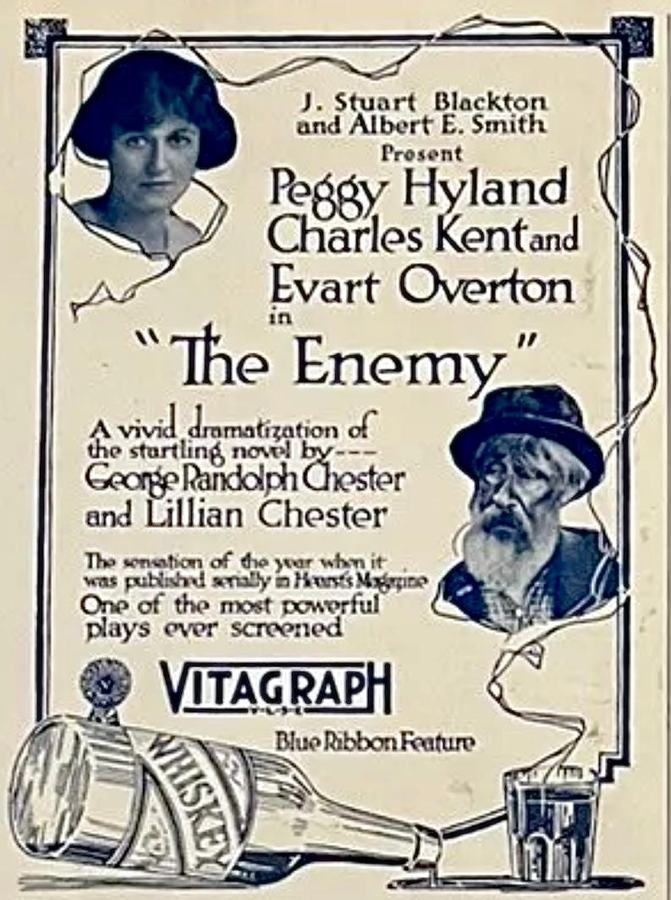
Cult cinema isn't just a genre; it's a state of being, a relationship forged between a film and its audience. It’s about more than just appreciation; it's about obsession, participation, and a profound sense of belonging. From midnight screenings to elaborate fan rituals, cult films create communities, offering a sanctuary for those who find themselves alienated by the more polished, predictable offerings of Hollywood. The magnetic allure of these cinematic outliers lies in their willingness to transgress, to experiment, and to tell stories that resonate deeply, albeit often unconventionally, with their dedicated disciples.

The Genesis of the Unconventional: Early Cinema's Maverick Spirit
While the term 'cult film' might conjure images of 1970s midnight movies, the seeds of this phenomenon were sown far earlier, in the nascent days of cinema itself. Even in the silent era and the dawn of sound, certain films, by their very nature, pushed boundaries, explored forbidden themes, or simply presented narratives in a uniquely challenging way. These were the proto-cult films, often misunderstood or overlooked in their time, but carrying a certain transgressive spirit that would later define the cult aesthetic.
Consider the early forays into genre. Films that dared to delve into the fantastical, the horrific, or the psychologically complex, often found themselves on the fringes. Early examples of expressionistic dramas like Fritz Lang's Destiny (1921), with its allegorical narrative of love challenging death across three historical settings, or the unsettling anthology of Eerie Tales, explored themes of fate, the supernatural, and human frailty with a boldness that stood apart from mainstream fare. These weren't necessarily mass hits, but their distinctive visual language and thematic depth laid groundwork for films that would later be championed by niche audiences seeking something more profound or disturbing than typical entertainment.

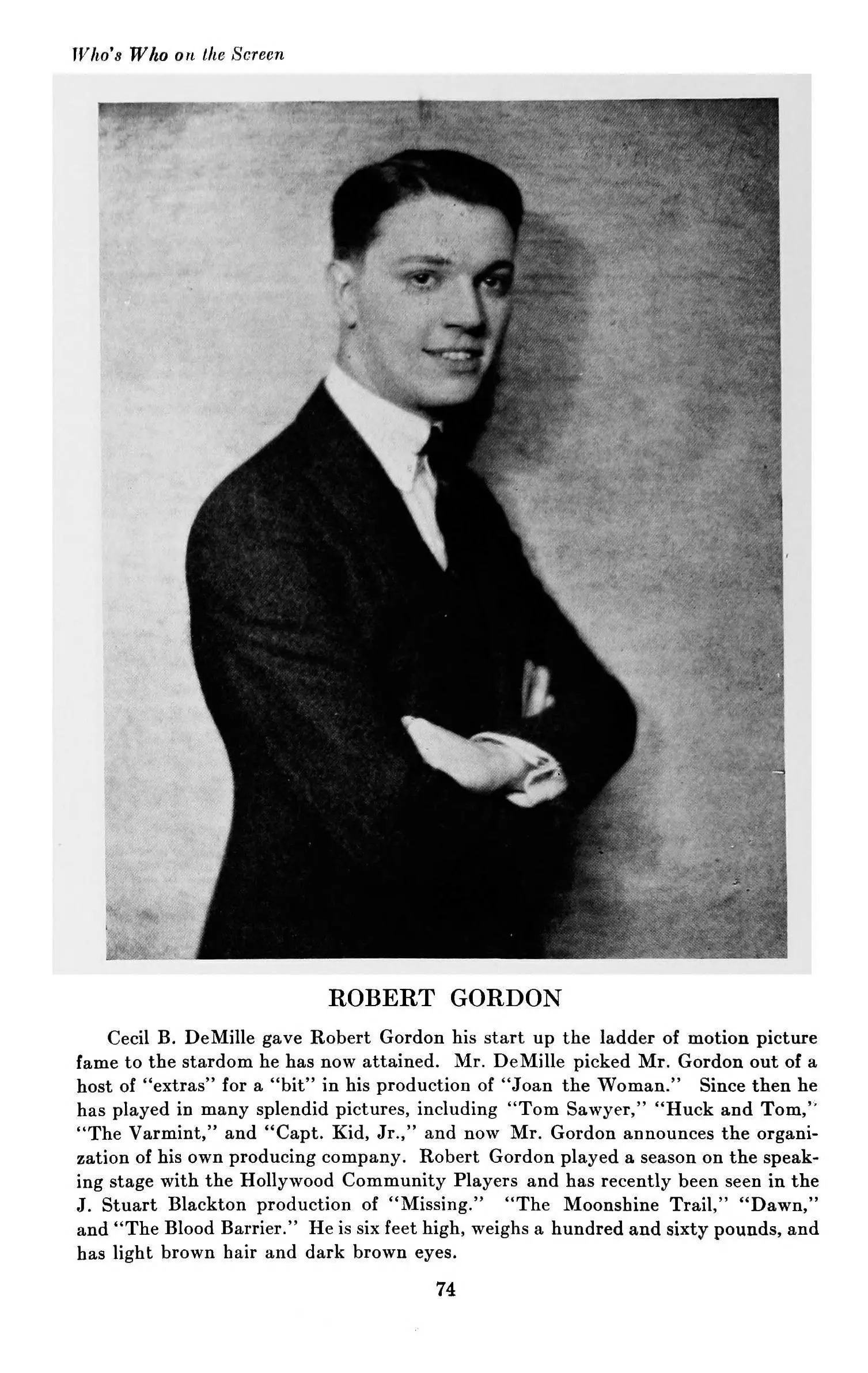
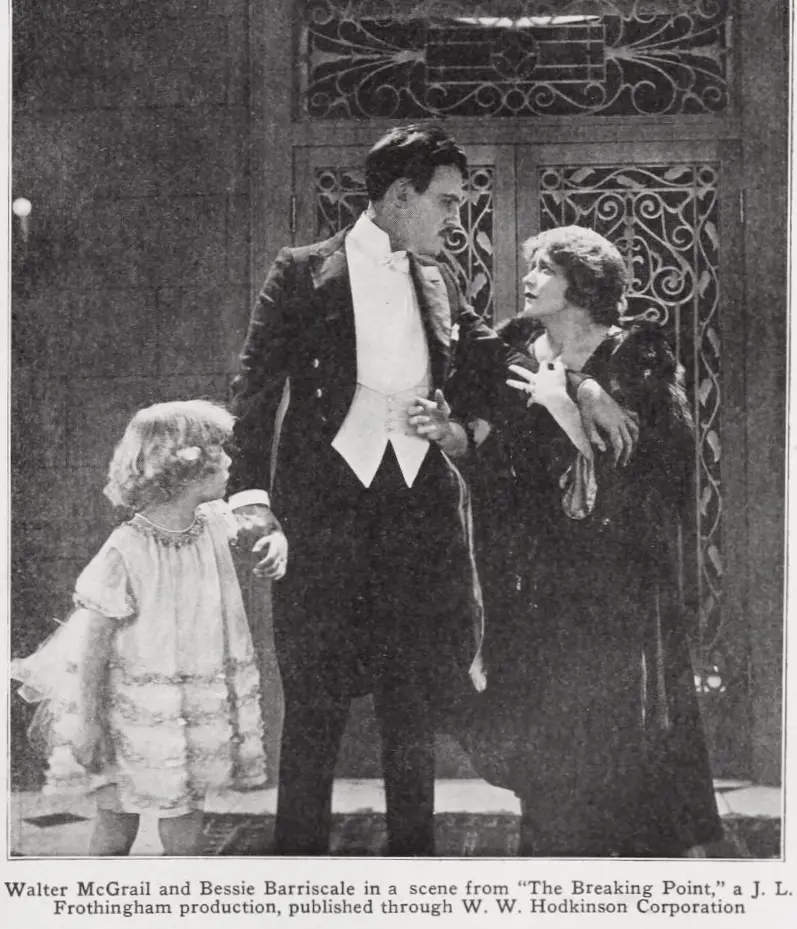
Even in seemingly straightforward genres, a maverick streak was evident. Melodramas, which thrived on heightened emotion and moral conflict, sometimes pushed societal norms to their breaking point. Films like The Breaking Point or The Miracle of Love, with their intense narratives of infidelity, sacrifice, and societal judgment, tapped into raw human experiences that could be both captivating and uncomfortable. The raw, often unrefined nature of early filmmaking, where conventions were still being established, allowed for a certain narrative anarchy that would feel right at home in later cult classics.

Beyond the Mainstream: The Unseen Audience and the Allure of the Fringe
The journey from mainstream dismissal to cult adoration is a well-trodden path. Many films initially deemed failures or simply ignored by the broader public found their true home with discerning, often rebellious, viewers. These were audiences hungry for something different, something that challenged their perceptions or spoke to their own sense of otherness. The concept of a film being 'ahead of its time' perfectly encapsulates this dynamic, where a work's profound impact is only recognized once culture catches up to its vision.
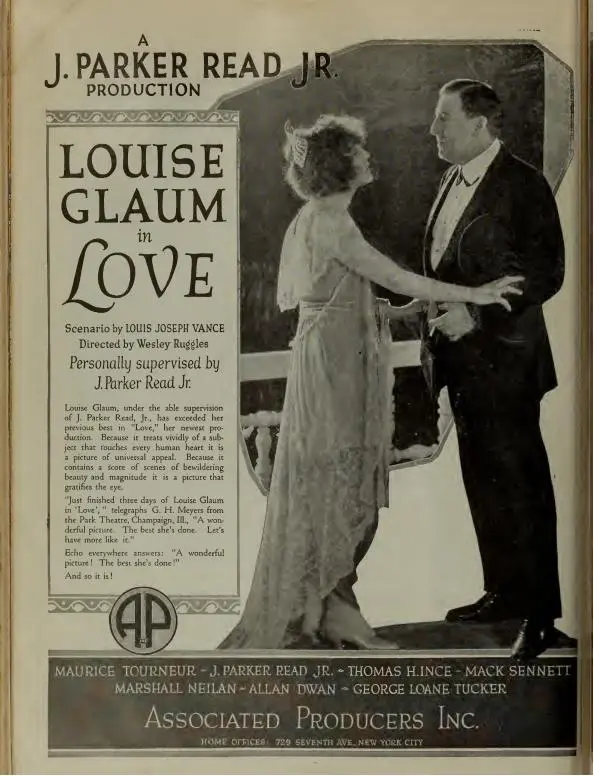
The early 20th century, a period of immense social and technological change, also saw shifts in storytelling. Films that explored unconventional relationships, moral ambiguities, or societal outcasts found a particular resonance with audiences seeking escapism or validation. Narratives like A Child of the Paris Streets, depicting underworld families and acts of retaliation, or the complex moral dilemmas found in The Half Breed (1922), challenged the simplistic good-versus-evil paradigms often prevalent in popular cinema. These were not always comfortable stories, and their initial reception might have been mixed, but their willingness to grapple with the darker, more complex facets of human experience made them powerful attractions for niche audiences.
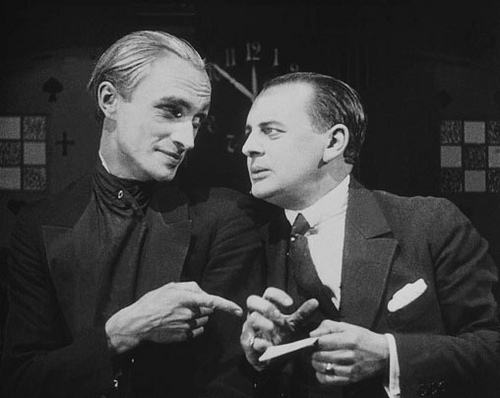
The establishment of 'midnight movie' circuits in the mid-20th century provided a physical space for this fringe appreciation to flourish, allowing films like Alejandro Jodorowsky's El Topo or David Lynch's Eraserhead to build their legendary status. But even before these dedicated venues, the word-of-mouth phenomenon was at play. A film might not have been a critical darling, but if it resonated with a few, those few would become evangelists, spreading the gospel of their cinematic discovery. This organic growth, fueled by genuine passion rather than marketing budgets, is a hallmark of cult success.

The Art of Defiance: Vision Over Commercialism
At the heart of many cult films lies an uncompromising artistic vision. These are the works of directors and creators who prioritize their unique voice over the demands of commercial viability. They are often unafraid to experiment with narrative structure, visual style, or character development, resulting in films that are distinctive, memorable, and sometimes, initially perplexing. This defiance of convention is precisely what endears them to cult audiences.

Early cinema, with its comparatively nascent industry structures, sometimes allowed for greater freedom. While many films aimed for broad appeal, others, by virtue of their subject matter or creative choices, naturally skewed towards a more specialized audience. Think of the quirky comedies like Torchy's Night Hood or Pretty Smooth, which showcased a particular brand of humor or character that might not have been universally embraced but certainly found its fans. Or the experimental narratives that might have felt jarring to audiences accustomed to more straightforward storytelling.
The films that become cult classics often don't fit neatly into existing categories. They are genre-benders, rule-breakers, or simply unique anomalies. They might blend elements of drama, comedy, horror, and fantasy in unexpected ways, creating an experience that is hard to label but impossible to forget. This cinematic alchemy—transforming disparate elements into something wholly new—is a powerful draw for audiences seeking novelty and depth. From the adventurous spirit of a Two-Gun Betty to the intricate plots of a The Man Unconquerable, these films, even if not overtly 'cult' in their time, contributed to a growing appreciation for diverse and challenging cinematic expression.
The Ritual of Rediscovery: From Obscurity to Iconography
One of the most compelling aspects of cult cinema is the act of rediscovery. Many cult films are not instant hits; they are slowly unearthed, championed by cinephiles, academics, and new generations of viewers who see something profound that was missed on initial release. This process of re-evaluation is crucial to their enduring legacy, transforming them from forgotten curiosities into revered icons.
The passage of time often provides the necessary distance for a film's true merits to be recognized. What once seemed strange or off-putting might, with a shift in cultural context, reveal itself as visionary or prophetic. Films that were perhaps too dark, too abstract, or too unconventional for their era can find a receptive audience decades later. This is where the power of preservation becomes evident, ensuring that these cinematic artifacts remain accessible for future generations to discover and embrace.
The role of the audience in this journey cannot be overstated. Unlike mainstream blockbusters, which are often consumed passively, cult films invite active participation. Fans become curators, sharing their discoveries, debating interpretations, and performing rituals that reinforce their connection to the film and each other. This communal aspect is vital. Whether it's quoting lines, dressing up as characters, or attending special screenings, these acts of devotion transform a viewing experience into a shared celebration, a cinematic communion.
The Enduring Echo: Why Cult Films Resonate So Deeply
Why do certain films, often those that swim against the current, capture the hearts and minds of audiences with such intensity? The resonance of cult cinema stems from several powerful factors. Foremost among them is the exploration of themes that speak to the human condition in its rawest, most unfiltered forms. Themes of alienation, rebellion, identity crises, societal critique, and the grotesque are frequently recurring motifs.
Many cult films offer a sense of validation to those who feel like outsiders. When a film presents characters or situations that mirror an audience member's own unconventional thoughts or experiences, it creates a powerful bond. The Hunchback and the Dancer, for instance, might have resonated with viewers who felt marginalized or misunderstood, finding empathy in its portrayal of societal scorn and yearning for acceptance. Similarly, narratives involving characters navigating complex moral landscapes or challenging authority, even in early Westerns like Two-Gun Betty or dramas like Lawless Love, tap into a universal desire for justice, autonomy, or simply a different way of being.
The aesthetic boldness of cult films also plays a significant role. Striking visuals, unconventional soundtracks, and daring narrative choices create a sensory experience that is often unlike anything else. This distinctiveness makes them memorable and provides a rich tapestry for repeated viewing and analysis. The very strangeness or perceived flaws in a film can become part of its charm, transforming into beloved quirks for its devoted followers.
Ultimately, cult cinema provides a cathartic release. It’s a space where the bizarre is celebrated, the marginalized are heroes, and the rules are made to be broken. It’s a testament to the idea that art doesn't always need mass approval to be meaningful. Sometimes, the most profound connections are forged in the shadows, among those who dare to look beyond the obvious and find beauty in the unconventional. This enduring appeal ensures that these films, once dismissed, will continue to live on, their echoes reverberating through generations of devoted fans.
The Unseen Legacy: A Timeless Testament to Maverick Storytelling
From the earliest flickers of moving images to the digital age, cinema has always had its rebel heart. The films that become cult classics, regardless of their initial reception or the era in which they were made, share a common thread: they challenge, they provoke, and they ultimately connect with audiences on a deeply personal level. They remind us that the most significant cinematic achievements aren't always those with the biggest budgets or the widest releases, but often those that dare to be different, that speak to a specific truth, or that simply exist in a category all their own.
The transformation of an obscure film into a beloved cult object is a form of cinematic alchemy. It’s a process driven by passion, discovery, and the collective will of an audience that refuses to let a unique vision fade into oblivion. Whether it's an early genre experiment that defied expectations, a melodrama that pushed emotional boundaries, or a quirky comedy that found its niche, these films collectively form an alternative canon, a testament to the diverse and often rebellious spirit of storytelling. The enduring afterlife of these cinematic outcasts is not just a fascinating footnote in film history; it’s a vibrant, living testament to the power of art to find its audience, no matter how long it takes, and to forge communities that transcend time and trends.
The journey of a cult film from obscurity to icon status is a compelling narrative in itself. It’s a story of resilience, of artistic integrity, and of the profound connection that can form between a creator's vision and an audience's yearning for something more. And as long as there are films that dare to be different, and audiences who dare to seek them out, the resurrection on reel will continue, ensuring that cinema's most cherished outcasts will forever hold a special, revered place in our collective cultural consciousness.
Community
Comments
Log in to comment.
Loading comments…