
DbcultAccessing Vault...
Director's Spotlight
Senior Film Conservator
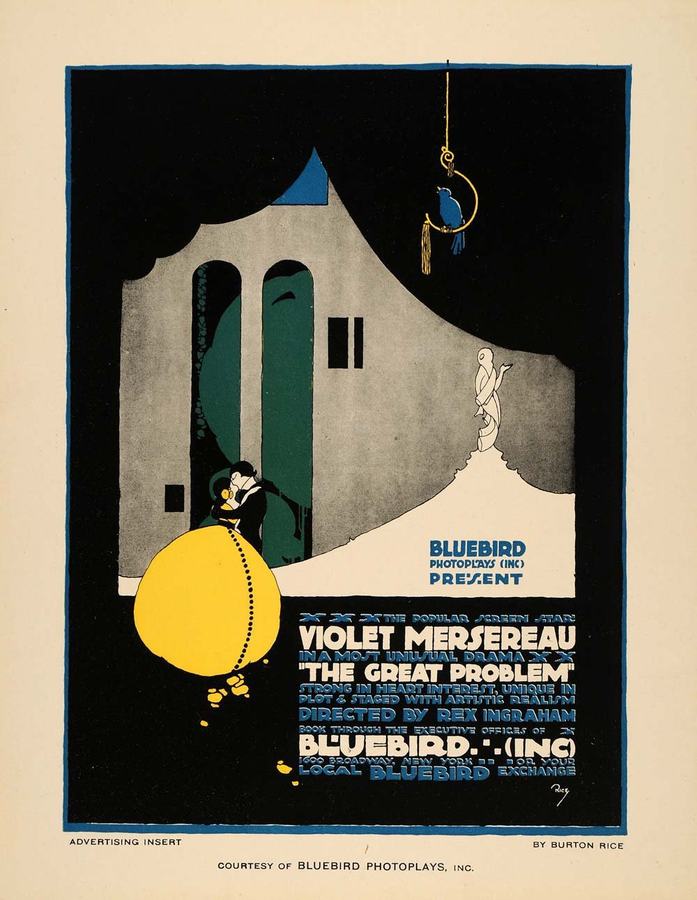
Director's Spotlight: United States
A Deep Dive into the 1916 Vision of Rex Ingram
Witnessing the stylistic transformation of cult through The Great Problem reveals the provocative questions that Rex Ingram poses to the United States audience. Exploring the nuances of the human condition with cult flair, it showcases the power of cult as a tool for social commentary.
In The Great Problem, Rex Ingram pushes the boundaries of conventional narrative. The film's unique approach to its subject matter has sparked endless debates and interpretations among cinephiles and critics alike.
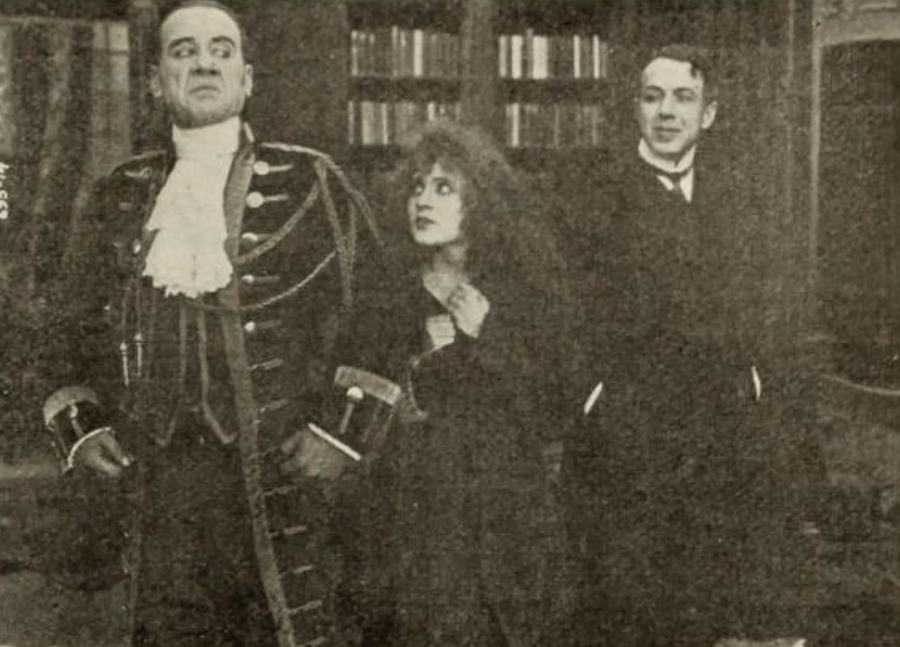
The visual language of The Great Problem is defined by its use of shadows and framing, a hallmark of Rex Ingram's style. By utilizing a 1916-era palette, the film creates an immersive experience that perfectly complements its cult themes.
| Cinematography | High-Contrast |
| Soundtrack | Diegetic |
| Editing | Rhythmic |
| Art Direction | Naturalist |
Visualizing the convergence of Rex Ingram's style and the core cult narrative.
Bill Carson is sentenced to 12 years for housebreaking. He vows that he will, upon ending his term, have vengeance upon George Devereaux, the prosecuting attorney whose speech swayed the jury to conviction. Carson's little daughter Peggy is being raised by his pal Skinny McGee; the mother died of shock after Carson's conviction. When Skinny dies, the girl Peggy turns to picking pockets for a livelihood, Skinny having brought her to proficiency in this line as her only education. There is a scene pictured in the board rooms of a reform organization. Devereaux accepts a challenge that he cannot take a criminal and reform him by improved and beneficial surroundings. Peggy is brought into a police station on charge of picking pockets, and is chosen to be the one upon whom Devereaux shall practice his experiment. Taking her to his palatial home, Devereaux seeks for two years to train Peggy in the better way. His efforts are variously successful, and finally a young man proposes marriage to Peggy and is accepted. Upon arriving at the church Peggy discovers that she is in love with Devereaux, and flees from the wedding party in consternation. She decides to return to her old life, and departs from the Devereaux home without making her intentions known. About this time Carson ends his term of imprisonment. He seeks to conclude his vengeance by shooting Devereaux, and for that purpose waits for him to come from his house. Carson is hiding behind a tree, when he is recognized by Peggy and when, on the instant that Carson is about to fire a revolver at Devereaux, the girl throws herself before her father and receives in her own body the bullet intended for Devereaux. The story acquires its ending in the recovery of Peggy, the avowed reformation of her father, and the final picture shows Peggy once more established happily in the home where we are led to believe she will, in legal and ceremonial form, eventually become a permanent resident.
Decades after its release, The Great Problem remains a vital piece of the cinematic puzzle. Its influence can be seen in countless modern works, solidifying Rex Ingram's status as a master of the craft in United States and beyond.