
DbcultAccessing Vault...
Director's Spotlight
Senior Film Conservator
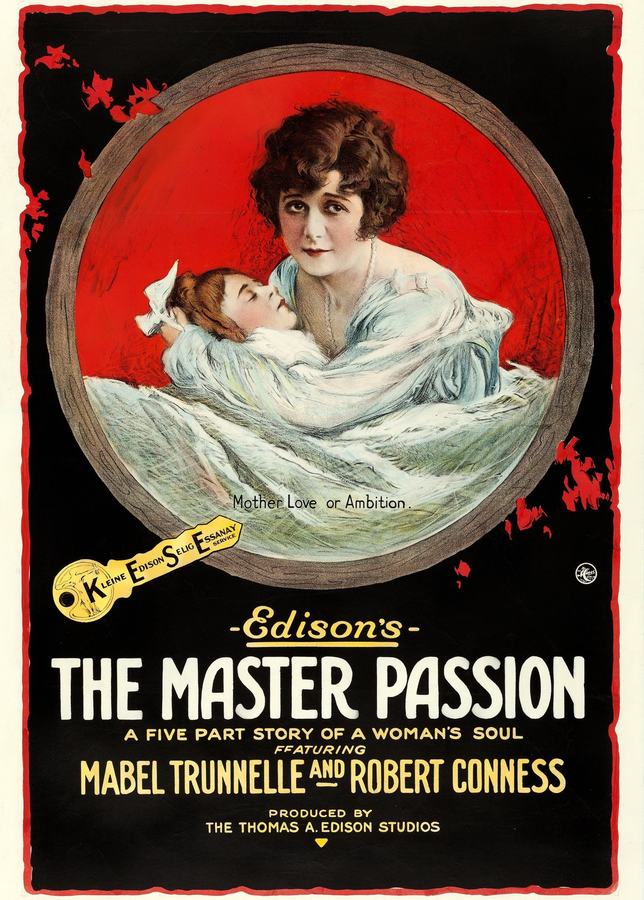
Director's Spotlight: United States
A Deep Dive into the 1917 Vision of Richard Ridgely
When we examine the cinematic landscape of United States, The Master Passion emerges as a landmark work of the unique directorial voice that Richard Ridgely brought to the screen. This film stands as a masterclass in visual storytelling, it demands to be seen by anyone who cares about the art of film.
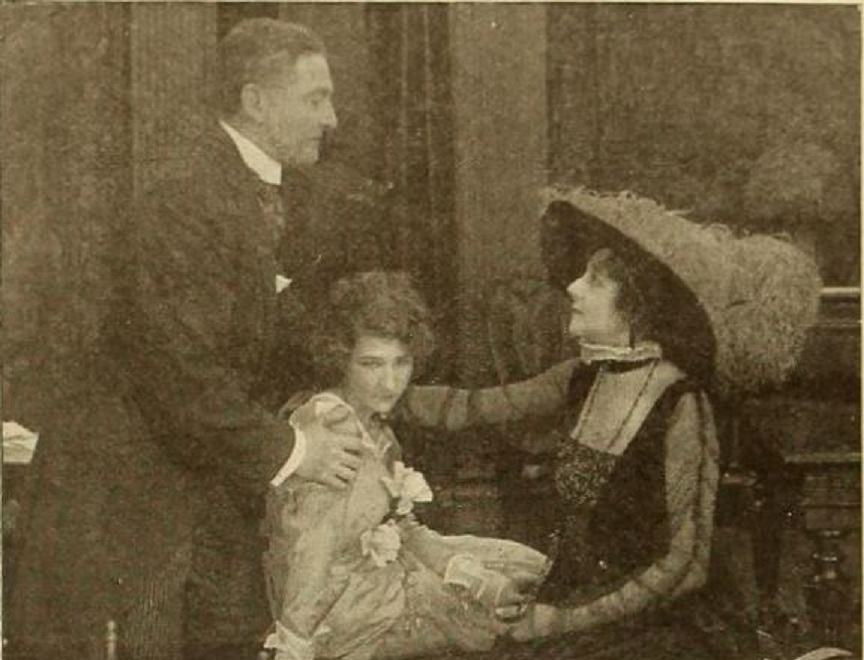
In The Master Passion, Richard Ridgely pushes the boundaries of conventional narrative. The film's unique approach to its subject matter has sparked endless debates and interpretations among cinephiles and critics alike.
| Cinematography | Noir-Inspired |
| Soundtrack | Diegetic |
| Editing | Rhythmic |
| Art Direction | Naturalist |
Visualizing the convergence of Richard Ridgely's style and the core cult narrative.
Goaded by ambition for wealth, and the pleasure of her mother. Julia Long breaks her engagement with Jack Carter and marries George Bender, president of the National Bank. Her first years of married life are filled with happiness. Julia possesses a voice of more than usual merit, and Bender engages Prof. Alberto Martino to instruct her. Martino becomes a frequent visitor, while Julia makes rapid strides with her singing. Bender, occupied with his work, seems to be unable to fulfill his duties to the home. Martino, taking advantage of Julia's loneliness, paints the great future that she might win through her wonderful voice. If she will but flee to Paris with him, he promises, the world will be at her feet. Threatened by the father of a girl whom he has wronged. Martino is forced to flee, and Julia leaves her home and little daughter, Cora, to seek fame with the musician. Time passes and Julia is in Europe, alone and penniless, deserted by Martino. She is picked up unconscious on the steps of the Opera House where she has been seeking an engagement, and is carried into the dressing room of Marie Jardin, a famous prima donna. Mme. Jardin listens to her story and makes Julia her protégée. Under her teaching Julia's voice develops rapidly and she commences to achieve success. Eighteen years later, in America, Ralph Carter, the son of Julia's first sweetheart, and Cora Bender, Julia's daughter, whom she has deserted, are in love. Bender refuses to consent to the marriage and in an effort to make Cora forget, he arranges a trip to Europe. Julia, known as Julia Marina, a world-renowned prima donna, lives in Paris. She has carried on an affair with the Duc de Lac, and has wearied of paying his gambling debts. At Monte Carlo the Duc meets Bender and his party. Due to the workings of Julia's mother, Cora is forced to accept the Duc de Lac as her fiancé. The Duc hastens to Julia to tell of his engagement to a rich American girl. While out walking, Julia sees Bender with her mother and a young girl and realizes the girl must be her own daughter. She awaits an opportunity to meet Cora alone and confirm her identity. Cora, impressed by the talented lady, accepts her invitation to call. Cora's visits to Julia's dressing room become more and more frequent. Bender finds Julia's card in Cora's room and goes to the theater. Julia, unable to restrain herself, tells Cora that she is her mother. Bender, coming into the room, finds them embracing each other. At first wrathful, he cannot withstand Cora's pleas, and he and Julia are reconciled. Julia discovers the rich American girl of whom the Duc spoke is her daughter. She orders him to break his engagement. In order to prevent the marriage, she threatens to reveal the relations that have existed between them. The Duc is defiant. Julia sacrifices herself and tells Bender the truth; Bender wreaks his wrath upon her, and, taking Cora, returns to America. Julia seeks solace in her art, but in a quarrel with the Duc she loses her voice. Months pass and Bender, repenting his hasty action, returns to take Julia back home again.
Decades after its release, The Master Passion remains a vital piece of the cinematic puzzle. Its influence can be seen in countless modern works, solidifying Richard Ridgely's status as a master of the craft in United States and beyond.