Summary
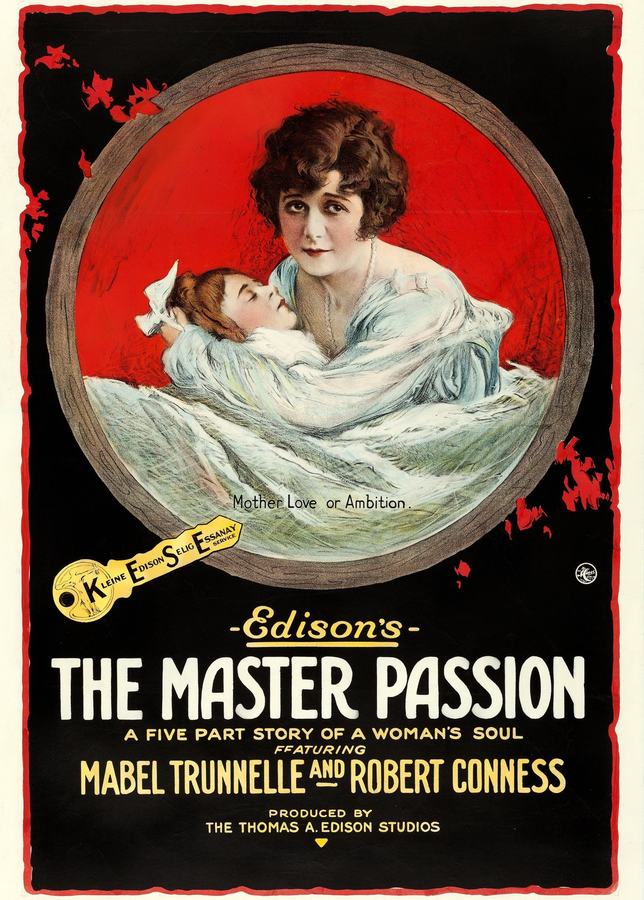
In an era of burgeoning ambition and societal expectation, Julia Long, driven by a potent blend of maternal pleasure and a craving for material affluence, jettisons her engagement to the earnest Jack Carter. Her swift union with George Bender, a powerful banking magnate, initially promises idyllic domesticity. Possessing a voice of extraordinary resonance, Julia embarks on vocal tutelage under the charismatic Professor Alberto Martino. While Bender remains ensnared by his professional obligations, Martino, a predator of opportunity, exploits Julia’s burgeoning loneliness, painting vivid tapestries of operatic glory attainable only through a clandestine escape to Parisian stages. A scandal involving a wronged girl's father precipitates Martino's desperate flight, and Julia, tragically seduced by the siren call of fame, abandons her daughter, Cora, and her marital bonds to pursue this artistic mirage.
Europe, however, proves a crucible, not a paradise. Deserted and destitute, Julia collapses on the steps of the Opera House, only to be salvaged by the renowned prima donna, Marie Jardin, who becomes her mentor. Under Jardin's tutelage, Julia's voice blossoms, propelling her to international renown as Julia Marina. Eighteen years later, fate orchestrates a poignant collision: Julia's estranged daughter, Cora Bender, now grown, falls in love with Ralph Carter, the son of Julia’s forsaken first love. George Bender, oblivious to the intricate web of destiny, resists their union and whisks Cora away to Europe.
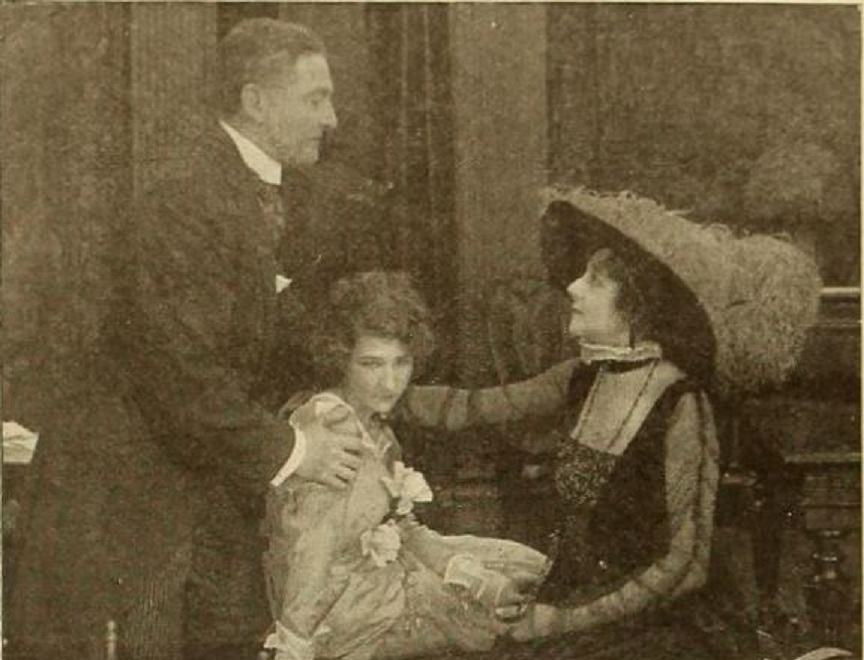
In Paris, Julia, entangled in a wearying liaison with the profligate Duc de Lac, finds herself enmeshed in a cruel irony. Through the machinations of Julia's own mother, Cora is coerced into an engagement with the very Duc. Witnessing Bender, her mother, and a young woman she instinctively recognizes as Cora, Julia's past and present violently converge. A series of clandestine meetings between mother and daughter culminate in Julia's tearful revelation of her true identity, witnessed by a wrathful Bender. Cora's fervent pleas ultimately broker a fragile reconciliation. The revelation of the Duc's engagement to her own daughter ignites Julia's fury, leading her to threaten exposure of their affair. In a devastating act of self-immolation, Julia confesses her past to Bender, who, consumed by rage, severs all ties and returns to America with Cora. Despair plunges Julia into her art, but a bitter confrontation with the Duc shatters her voice. Months later, repentance softens Bender's heart, drawing him back across the ocean to reclaim the woman he once loved, offering a fragile hope for a future forged from the ashes of ambition and regret.
Synopsis
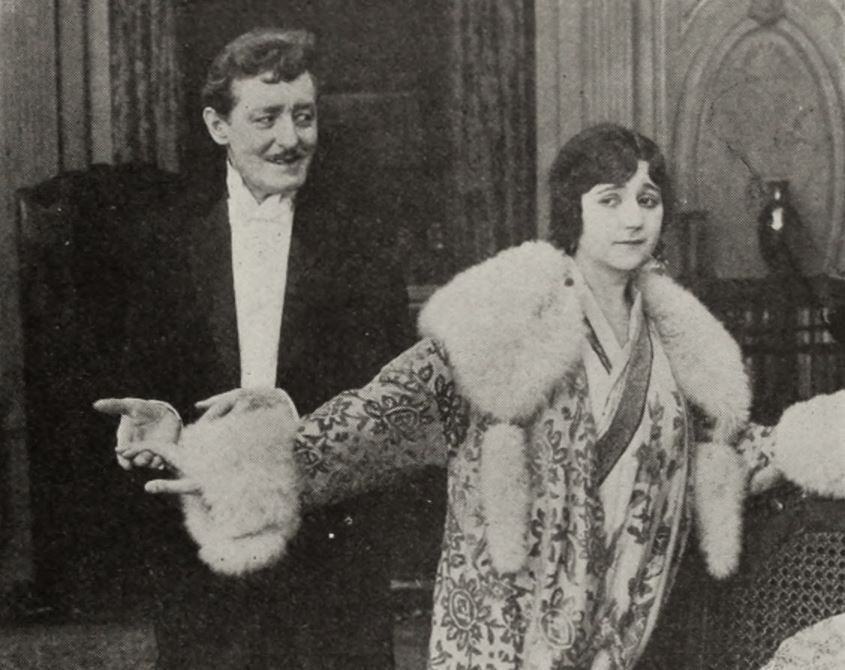
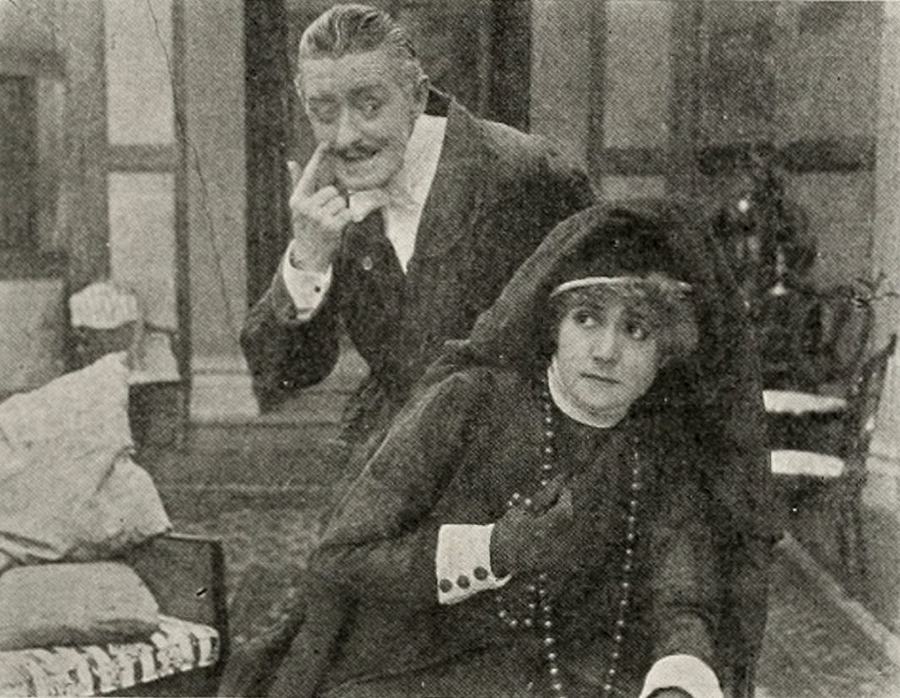
Goaded by ambition for wealth, and the pleasure of her mother. Julia Long breaks her engagement with Jack Carter and marries George Bender, president of the National Bank. Her first years of married life are filled with happiness. Julia possesses a voice of more than usual merit, and Bender engages Prof. Alberto Martino to instruct her. Martino becomes a frequent visitor, while Julia makes rapid strides with her singing. Bender, occupied with his work, seems to be unable to fulfill his duties to the home. Martino, taking advantage of Julia's loneliness, paints the great future that she might win through her wonderful voice. If she will but flee to Paris with him, he promises, the world will be at her feet. Threatened by the father of a girl whom he has wronged. Martino is forced to flee, and Julia leaves her home and little daughter, Cora, to seek fame with the musician. Time passes and Julia is in Europe, alone and penniless, deserted by Martino. She is picked up unconscious on the steps of the Opera House where she has been seeking an engagement, and is carried into the dressing room of Marie Jardin, a famous prima donna. Mme. Jardin listens to her story and makes Julia her protégée. Under her teaching Julia's voice develops rapidly and she commences to achieve success. Eighteen years later, in America, Ralph Carter, the son of Julia's first sweetheart, and Cora Bender, Julia's daughter, whom she has deserted, are in love. Bender refuses to consent to the marriage and in an effort to make Cora forget, he arranges a trip to Europe. Julia, known as Julia Marina, a world-renowned prima donna, lives in Paris. She has carried on an affair with the Duc de Lac, and has wearied of paying his gambling debts. At Monte Carlo the Duc meets Bender and his party. Due to the workings of Julia's mother, Cora is forced to accept the Duc de Lac as her fiancé. The Duc hastens to Julia to tell of his engagement to a rich American girl. While out walking, Julia sees Bender with her mother and a young girl and realizes the girl must be her own daughter. She awaits an opportunity to meet Cora alone and confirm her identity. Cora, impressed by the talented lady, accepts her invitation to call. Cora's visits to Julia's dressing room become more and more frequent. Bender finds Julia's card in Cora's room and goes to the theater. Julia, unable to restrain herself, tells Cora that she is her mother. Bender, coming into the room, finds them embracing each other. At first wrathful, he cannot withstand Cora's pleas, and he and Julia are reconciled. Julia discovers the rich American girl of whom the Duc spoke is her daughter. She orders him to break his engagement. In order to prevent the marriage, she threatens to reveal the relations that have existed between them. The Duc is defiant. Julia sacrifices herself and tells Bender the truth; Bender wreaks his wrath upon her, and, taking Cora, returns to America. Julia seeks solace in her art, but in a quarrel with the Duc she loses her voice. Months pass and Bender, repenting his hasty action, returns to take Julia back home again.
Review Excerpt
"
Echoes of Ambition: Deconstructing The Master Passion's Enduring Allure
Stepping back into the cinematic landscape of the 1910s, one finds a fascinating tapestry of nascent storytelling, where grand gestures and stark moral quandaries frequently held sway. Among these, Everett McNeil's narrative for The Master Passion, a film brought to life through the expressive silent-era artistry of Anne Leonard, Robert Conness, and Bigelow Cooper, stands as a testament to the era's fascination wi..."