
DbcultAccessing Vault...
Director's Spotlight
Senior Film Conservator
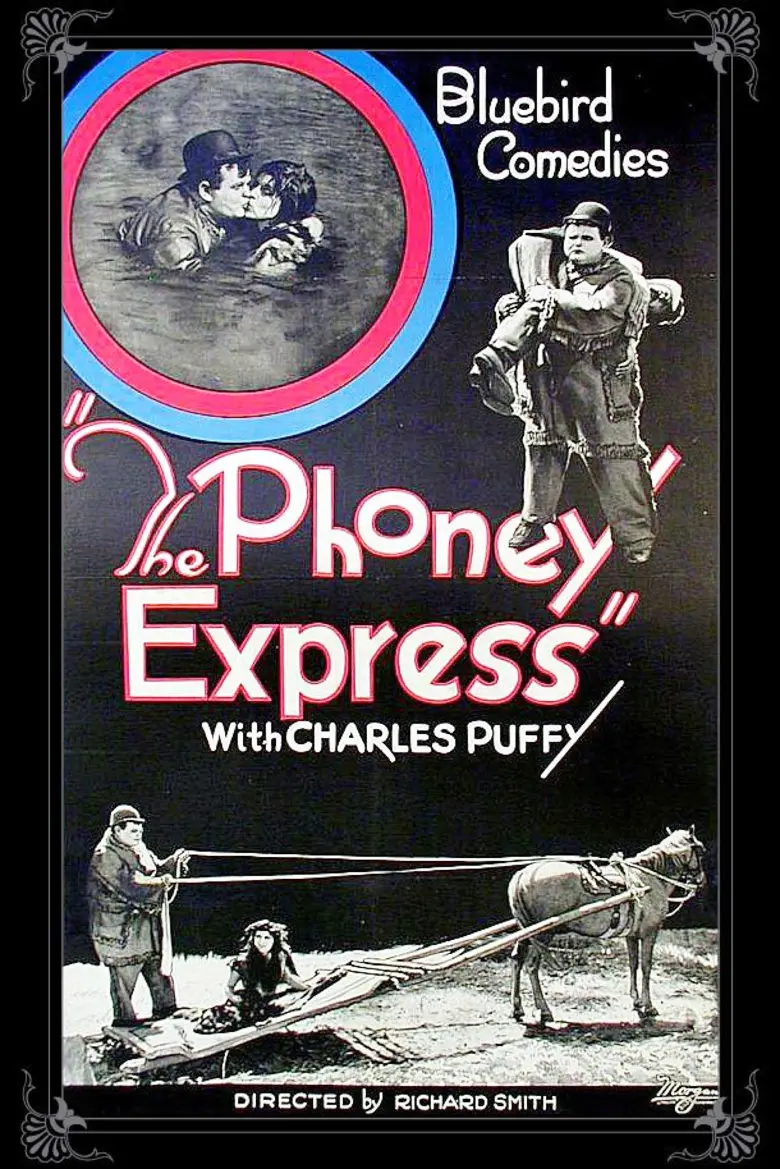
Director's Spotlight: United States
A Deep Dive into the 1926 Vision of Richard Smith
In the storied career of Richard Smith, The Phoney Express stands as a the atmospheric immersion that Richard Smith achieves throughout The Phoney Express. Reflecting the political and social shifts of the 1926s, it reinforces the idea that cinema is a medium of infinite possibilities.
In The Phoney Express, Richard Smith pushes the boundaries of conventional narrative. The film's unique approach to its subject matter has sparked endless debates and interpretations among cinephiles and critics alike.
To fully appreciate The Phoney Express, one must consider the cinematic climate of 1926. During this period, United States was undergoing significant artistic shifts, and Richard Smith was at the forefront of this Comedy movement, often challenging established norms.
| Cinematography | High-Contrast |
| Soundtrack | Synth-Heavy |
| Editing | Rhythmic |
| Art Direction | Naturalist |
Visualizing the convergence of Richard Smith's style and the core Comedy narrative.
Little Nell, fighting her way to Hollywood in a covered wagon, is besieged by Indians on the plain, and her little party defends itself from the oncoming reds while Puffy rides the Phoney Express to bring aid. He carries his horse across a stream, only to be kicked back to the starting point by the nag. He fills a cannon with tomatoes and aims it at the Indians but catches his foot in a rope which swings the cannon around, giving one of the defenders a tomato surprise. The Indians circle around the hero, filling him full of arrows which fail to penetrate the pulp, so he leisurely saves the girl with whom he innocently walks off a precipice and lands in the current below, wet but happy.
Decades after its release, The Phoney Express remains a vital piece of the cinematic puzzle. Its influence can be seen in countless modern works, solidifying Richard Smith's status as a master of the craft in United States and beyond.