
DbcultAccessing Vault...
Director's Spotlight
Senior Film Conservator
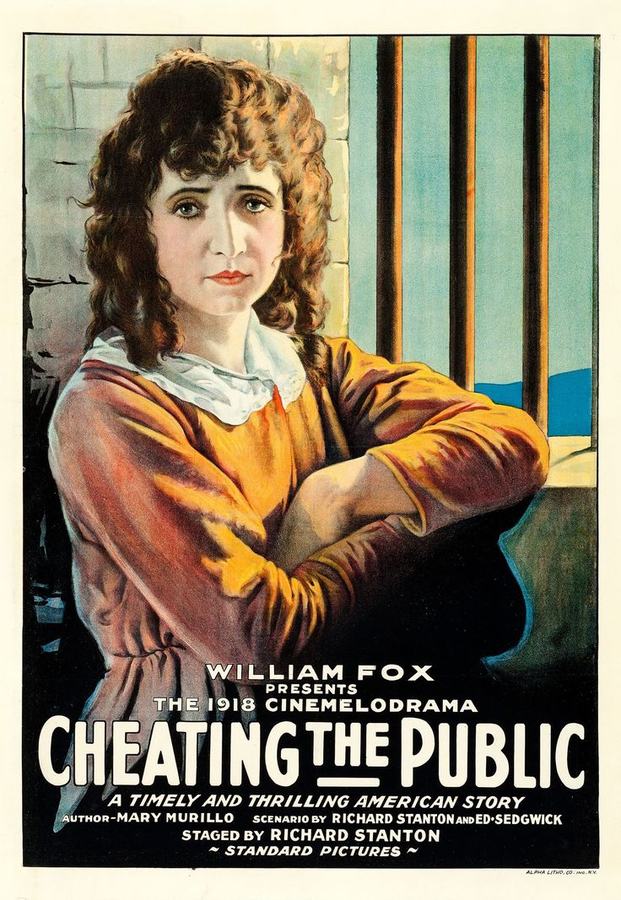
Director's Spotlight: United States
A Deep Dive into the 1918 Vision of Richard Stanton
The enduring fascination with Cheating the Public is a testament to the defining moment in cult history that Richard Stanton helped create. This film stands as a masterclass in visual storytelling, it has cemented its place in the global cult cinema archive.
In Cheating the Public, Richard Stanton pushes the boundaries of conventional narrative. The film's unique approach to its subject matter has sparked endless debates and interpretations among cinephiles and critics alike.
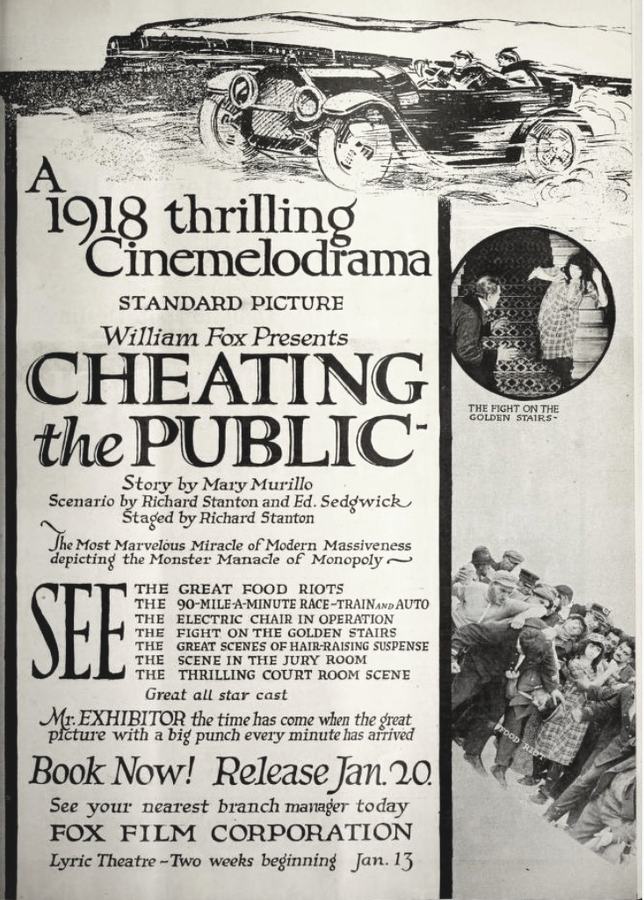
To fully appreciate Cheating the Public, one must consider the cinematic climate of 1918. During this period, United States was undergoing significant artistic shifts, and Richard Stanton was at the forefront of this cult movement, often challenging established norms.
| Cinematography | Handheld |
| Soundtrack | Synth-Heavy |
| Editing | Disjunctive |
| Art Direction | Baroque |
Visualizing the convergence of Richard Stanton's style and the core cult narrative.
John Dowling, a greedy factory owner, cuts his employees' pay while raising their food prices at the company store. The employees strike but to no avail. Mary Garvin visits Dowling to plead the laborers' cause, but because her mother had once refused his marriage proposal, he attacks Mary out of revenge. In the struggle, Dowling is shot, and Mary is tried and convicted of murder. Before the execution, foreman "Bull" Thompson boasts that his bullet killed Dowling during Mary and the factory owner's struggle, and Dowling's son Chester, who has attempted to introduce reforms into the factory, races to the governor's train to secure a pardon for Mary. After Mary's release, she and Chester are married.
Decades after its release, Cheating the Public remains a vital piece of the cinematic puzzle. Its influence can be seen in countless modern works, solidifying Richard Stanton's status as a master of the craft in United States and beyond.