
DbcultAccessing Vault...
Director's Spotlight
Senior Film Conservator
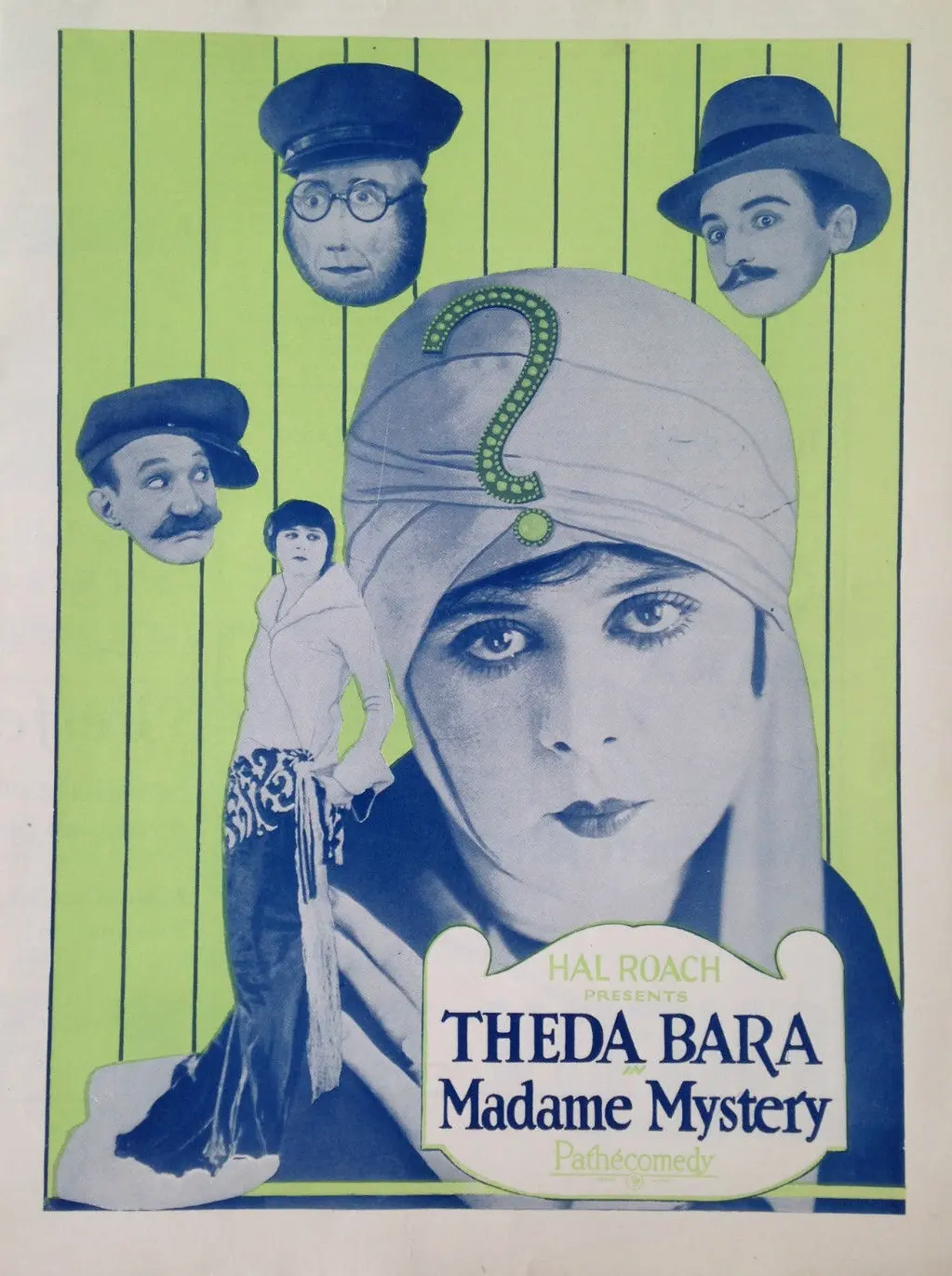
Director's Spotlight: United States
A Deep Dive into the 1926 Vision of Richard Wallace
The artistic breakthrough represented by Madame Mystery in 1926 highlights the philosophical inquiries that Richard Wallace embeds within the narrative. Framed by the hauntingly beautiful landscapes of the production, it leaves an indelible mark on the soul of the viewer.
In Madame Mystery, Richard Wallace pushes the boundaries of conventional narrative. The film's unique approach to its subject matter has sparked endless debates and interpretations among cinephiles and critics alike.
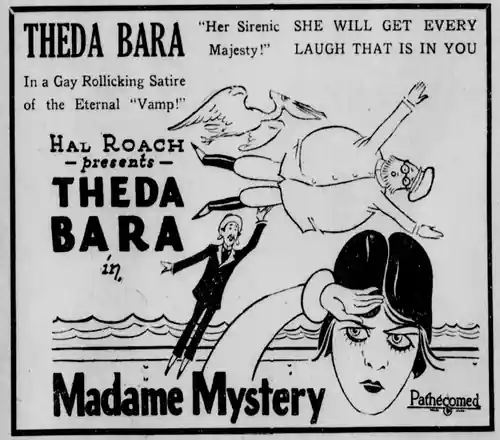
To fully appreciate Madame Mystery, one must consider the cinematic climate of 1926. During this period, United States was undergoing significant artistic shifts, and Richard Wallace was at the forefront of this Comedy movement, often challenging established norms.
| Cinematography | Noir-Inspired |
| Soundtrack | Diegetic |
| Editing | Elliptical |
| Art Direction | Expressionist |
Visualizing the convergence of Richard Wallace's style and the core Comedy narrative.
A female secret agent has gotten ahold of a new type of explosive gas. She has to avoid the efforts of two men who are trying to steal it. They succeed in doing so, but the gas turns out to be not quite what they expected.
Decades after its release, Madame Mystery remains a vital piece of the cinematic puzzle. Its influence can be seen in countless modern works, solidifying Richard Wallace's status as a master of the craft in United States and beyond.