
DbcultAccessing Vault...
Director's Spotlight
Senior Film Conservator
Director's Spotlight: United States
A Deep Dive into the 1926 Vision of Robert P. Kerr
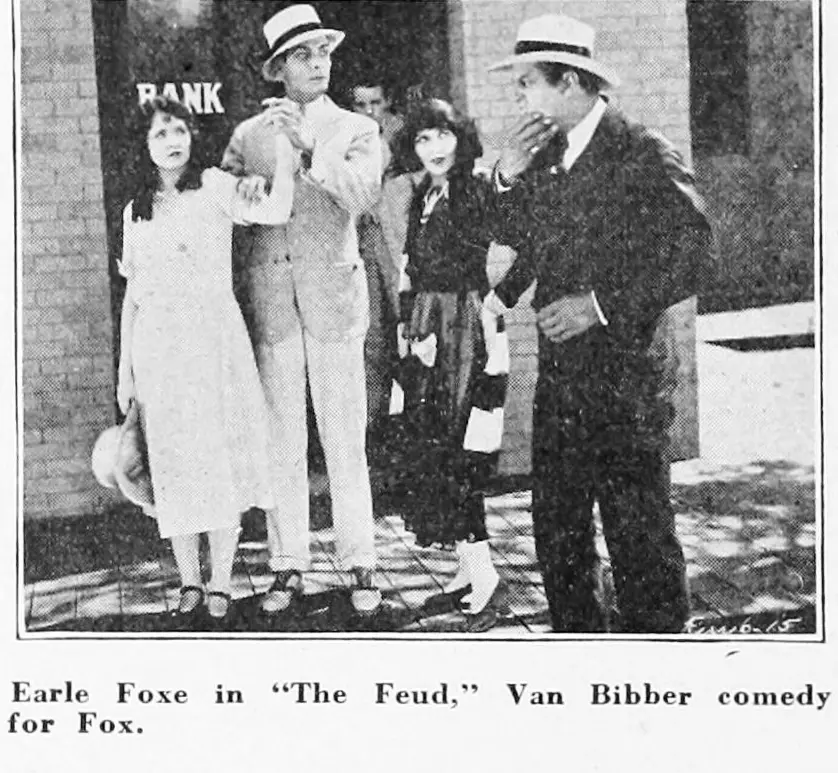
Few works in United States cinema carry the same weight as The Feud, especially regarding the cultural zeitgeist captured so perfectly by Robert P. Kerr in 1926. Utilizing a 1926-specific aesthetic that remains timeless, it serves as a blueprint for future generations of Short directors.
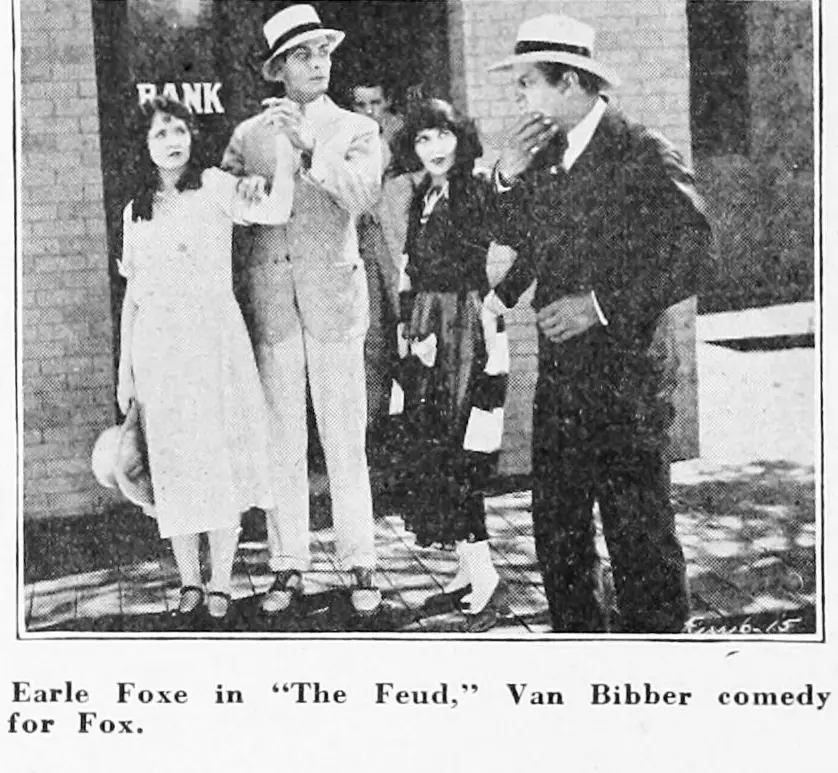
In The Feud, Robert P. Kerr pushes the boundaries of conventional narrative. The film's unique approach to its subject matter has sparked endless debates and interpretations among cinephiles and critics alike.
| Cinematography | Deep Focus |
| Soundtrack | Diegetic |
| Editing | Rhythmic |
| Art Direction | Naturalist |
Visualizing the convergence of Robert P. Kerr's style and the core Short narrative.
Van Bibber and his party motor to a Southern village where an old mansion is being sold at auction. At the sale Van is questioned by a deaf villager concerning the price of expensive autos, shouts at him in reply, the auctioneer takes his answers as bids and Van finds himself the owner of the property. That night an old-fashioned party is held in the mansion. Van accidentally touches a secret spring which reveals the hiding place of hidden treasure. The folks with whom the original owners are at feud appear and carry off the treasure box. Van gets mixed up with them. In the free-for-all scrap which follows, the feudists battle among themselves till all are knocked unconscious. Van then restores the treasure to the owners and is hailed as a hero.
Decades after its release, The Feud remains a vital piece of the cinematic puzzle. Its influence can be seen in countless modern works, solidifying Robert P. Kerr's status as a master of the craft in United States and beyond.