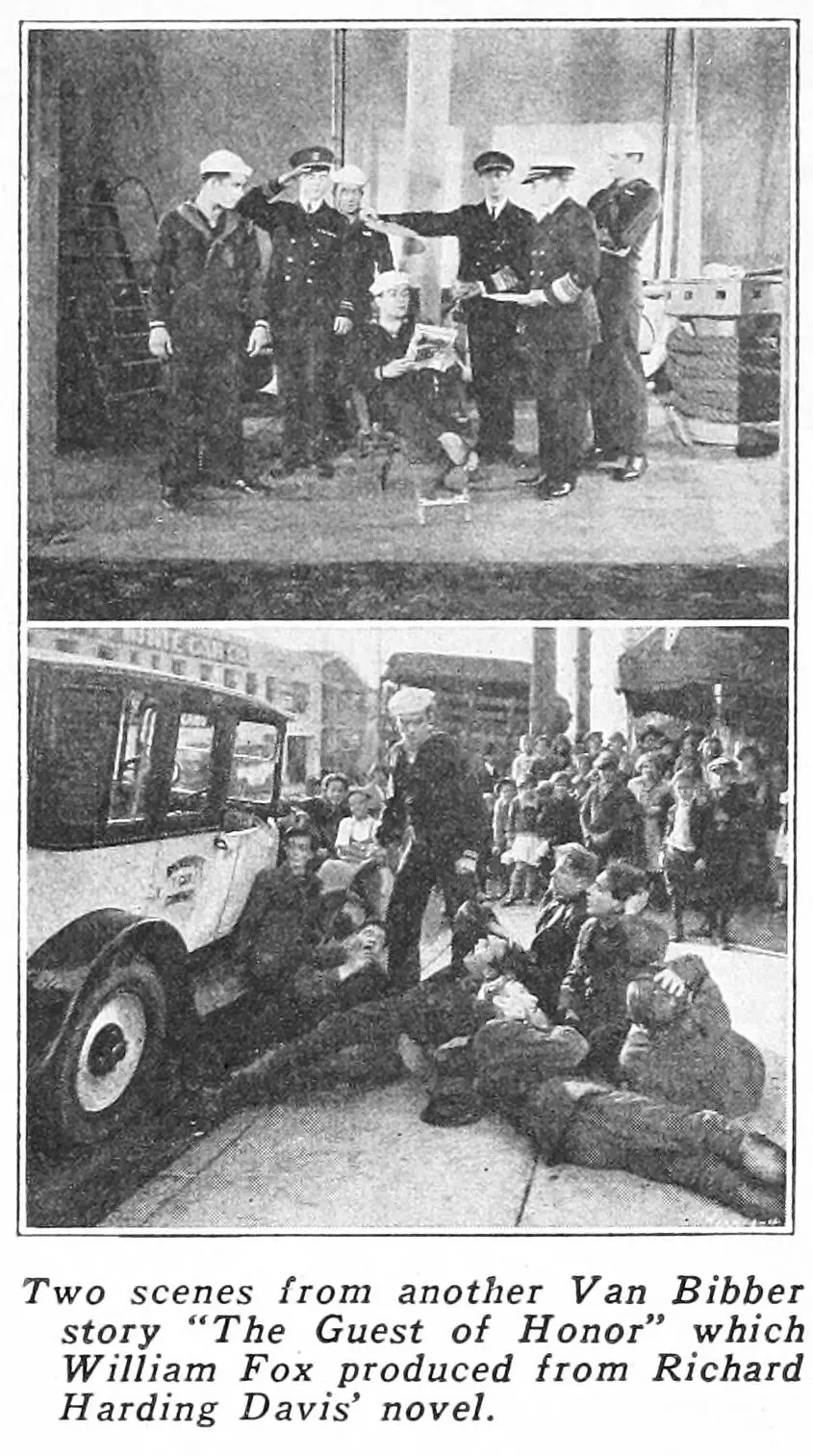
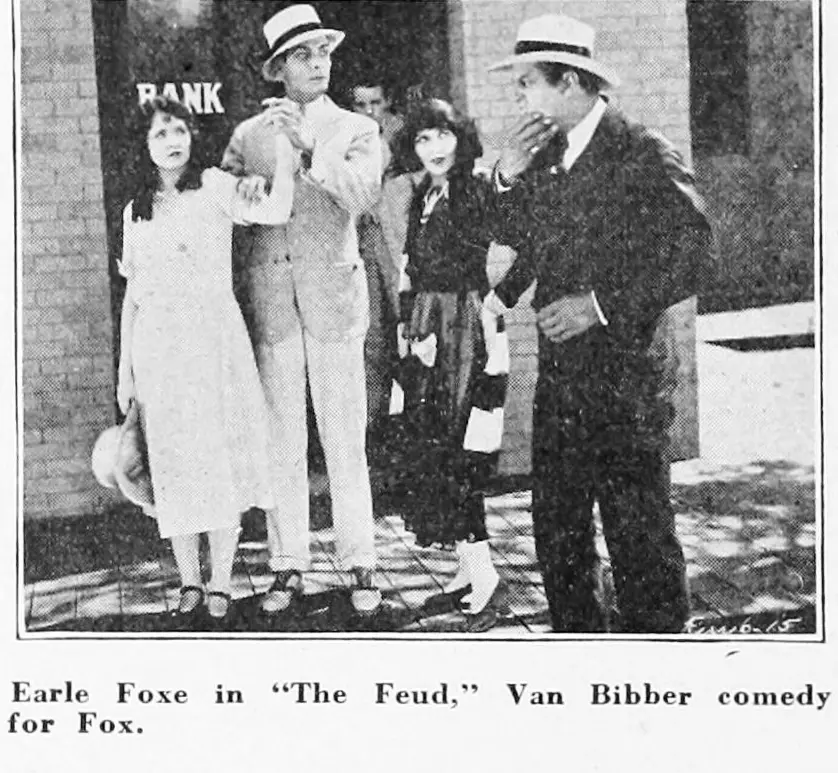
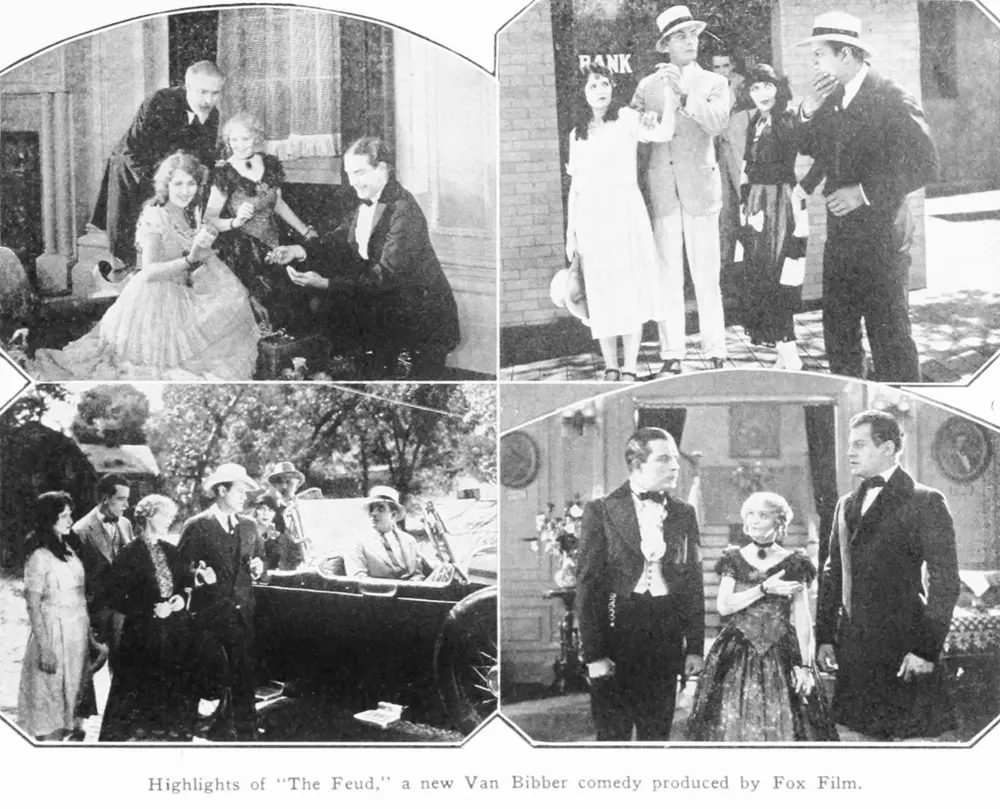
Van Bibber and his party motor to a Southern village where an old mansion is being sold at auction. At the sale Van is questioned by a deaf villager concerning the price of expensive autos, shouts at him in reply, the auctioneer takes his answers as bids and Van finds himself the owner of the property.
Should you invest your time in this nearly century-old silent comedy? Short answer: yes, but only if you have a high tolerance for the hyper-kinetic, often exhausting physical comedy of the mid-1920s. This film is a treat for those who enjoy the 'accidental hero' trope and Southern Gothic settings played for laughs. It...
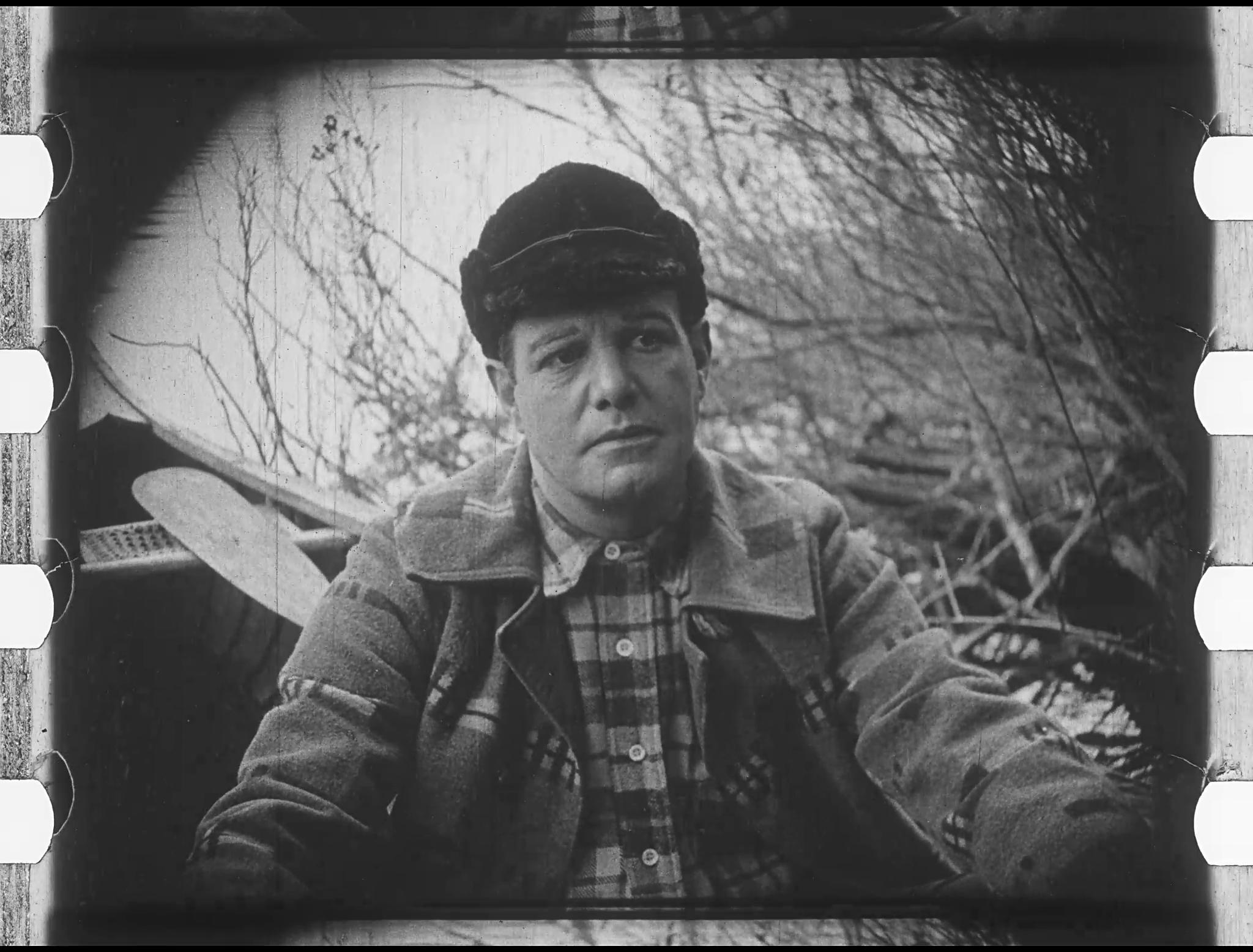
still_frame
still_frame
Comparing the cinematic DNA and archive impact of two defining moments in cult history.
Robert P. Kerr
Unknown Director
Community
Log in to comment.
"Should you invest your time in this nearly century-old silent comedy? Short answer: yes, but only if you have a high tolerance for the hyper-kinetic, often exhausting physical comedy of the mid-1920s. This film is a treat for those who enjoy the 'accidental hero' trope and Southern Gothic settings played for laughs. It is definitely not for viewers who require nuanced character development or a plot that doesn't rely on convenient coincidences. The Core Verdict: Why The Feud Matters 1) This film..."
Frank Beal
Richard Harding Davis
United States