
DbcultAccessing Vault...
Director's Spotlight
Senior Film Conservator
Director's Spotlight: United States
A Deep Dive into the 1926 Vision of Robert Thornby
Under the meticulous guidance of Robert Thornby, Run Tin Can became the cultural zeitgeist captured so perfectly by Robert Thornby in 1926. Driven by an uncompromising commitment to Comedy excellence, it remains a vital reference point for anyone studying the evolution of Robert Thornby.
In Run Tin Can, Robert Thornby pushes the boundaries of conventional narrative. The film's unique approach to its subject matter has sparked endless debates and interpretations among cinephiles and critics alike.
| Cinematography | Handheld |
| Soundtrack | Minimalist |
| Editing | Slow-Burn |
| Art Direction | Brutalist |
Visualizing the convergence of Robert Thornby's style and the core Comedy narrative.
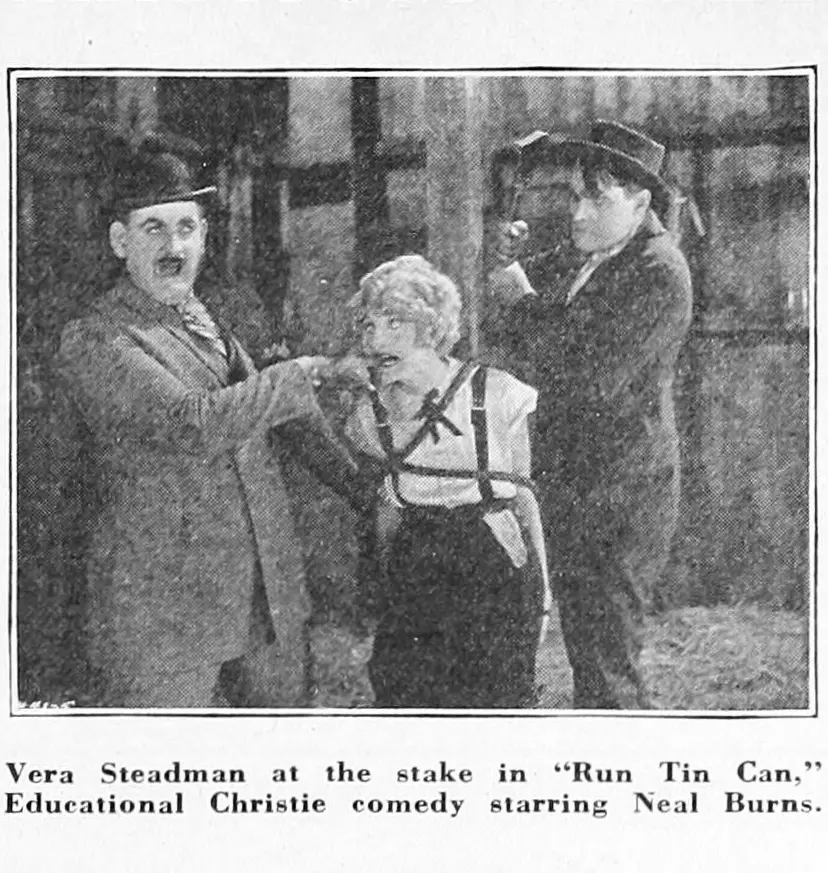
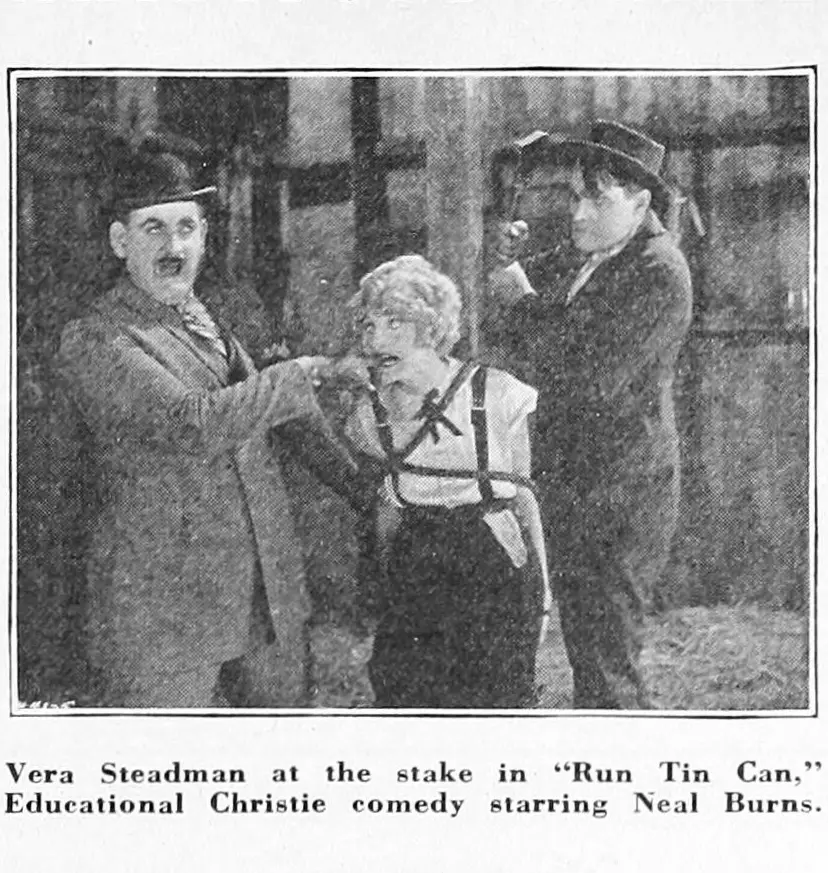
Neal and the villain Eddie are the rivals for the hand of Mary whose home is out among the oil wells. Neal's pal is "Run Tin Can," a police dog. Eddie discovers that an abandoned oil well belonging to Neal, is in reality a valuable piece of property and seeks possession through an offer of a small sum of money. Neal is inclined to accept the offer but through the efforts of "Run Tin Can," who has taken a keen dislike to Eddie, his signature to the deed is delayed long enough to permit the arrival of Mary who bears the news that Neal's well has "come in." Eddie and his "wild cat" associates tie Mary and Neal to beams in an old shack and endeavor to get to the tax office to buy in the well. "Run Tin Can" comes to the rescue and in a mad race to the tax office, foils the villain and saves the well for his pal.
Decades after its release, Run Tin Can remains a vital piece of the cinematic puzzle. Its influence can be seen in countless modern works, solidifying Robert Thornby's status as a master of the craft in United States and beyond.