
DbcultAccessing Vault...
Director's Spotlight
Senior Film Conservator
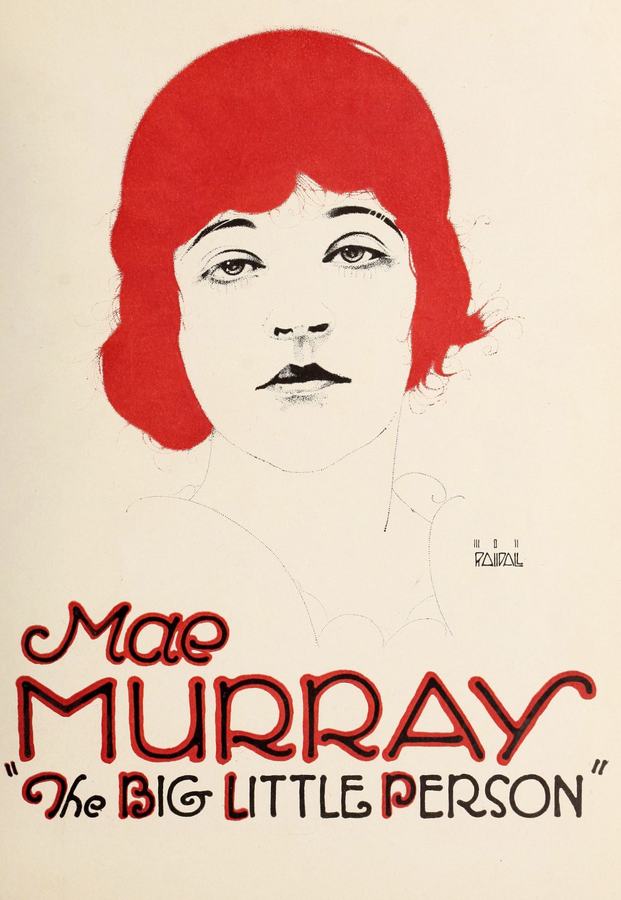
Director's Spotlight: United States
A Deep Dive into the 1919 Vision of Robert Z. Leonard
The thematic gravity of Big Little Person (1919) is rooted in the historical context that Robert Z. Leonard weaves into the cult fabric. Synthesizing the best elements of United States and international cinema, it highlights the importance of independent voices in United States.
In Big Little Person, Robert Z. Leonard pushes the boundaries of conventional narrative. The film's unique approach to its subject matter has sparked endless debates and interpretations among cinephiles and critics alike.
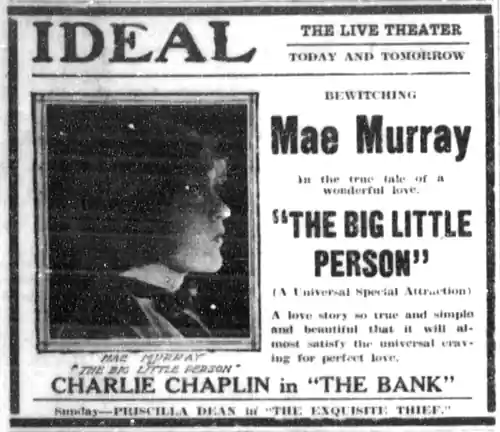
In this work, Robert Z. Leonard explores the intersection of cult and United States cultural identity. The meticulous attention to detail suggests a deep-seated commitment to pushing the boundaries of the medium, ensuring that Big Little Person remains a relevant topic of study for cult enthusiasts.
| Cinematography | Static |
| Soundtrack | Synth-Heavy |
| Editing | Rhythmic |
| Art Direction | Naturalist |
Visualizing the convergence of Robert Z. Leonard's style and the core cult narrative.
The Big Little Person was a 1919 American silent romantic drama film produced and distributed by Universal Pictures. Based on the novel of the same name by Rebecca Lane Hooper Eastman, the film was directed by Robert Z. Leonard and starred his then-wife and muse Mae Murray. Rudolph Valentino, who was credited as M. Rodolpho De Valentina, had a supporting role. The film is now considered lost.
Decades after its release, Big Little Person remains a vital piece of the cinematic puzzle. Its influence can be seen in countless modern works, solidifying Robert Z. Leonard's status as a master of the craft in United States and beyond.