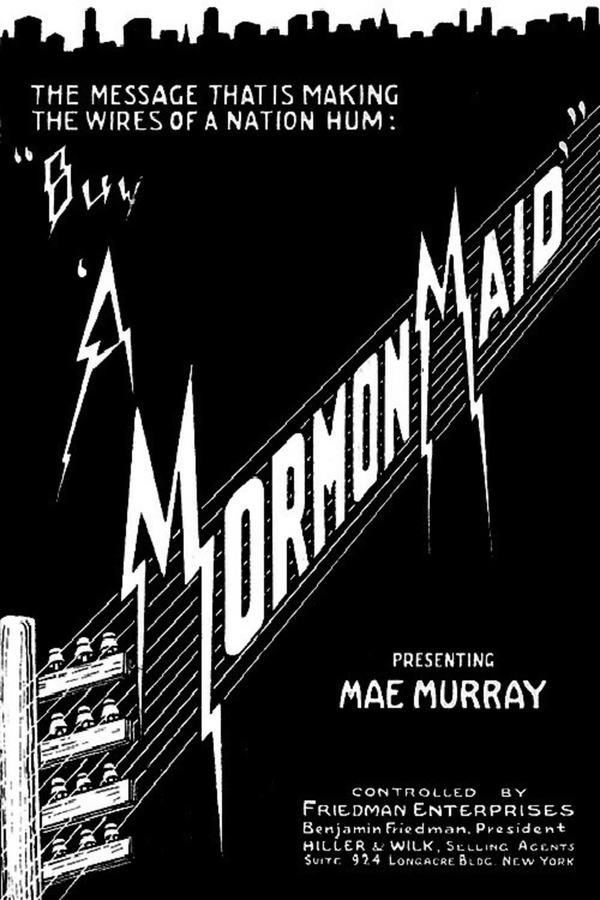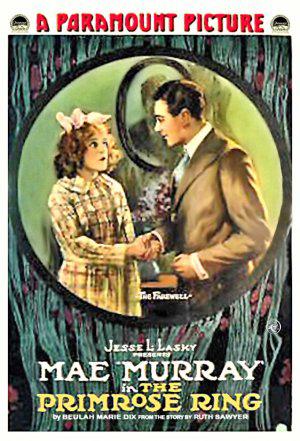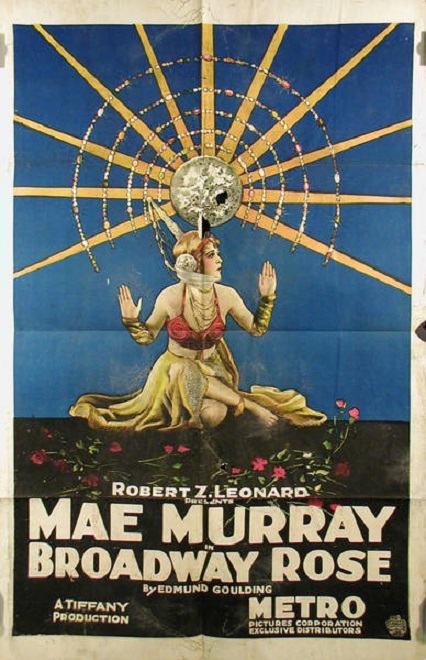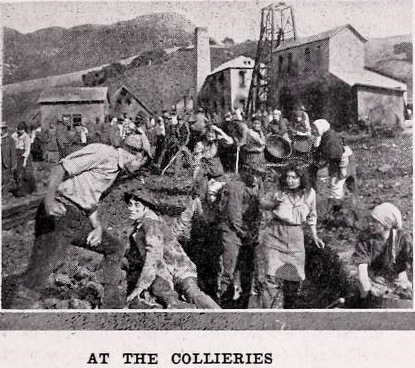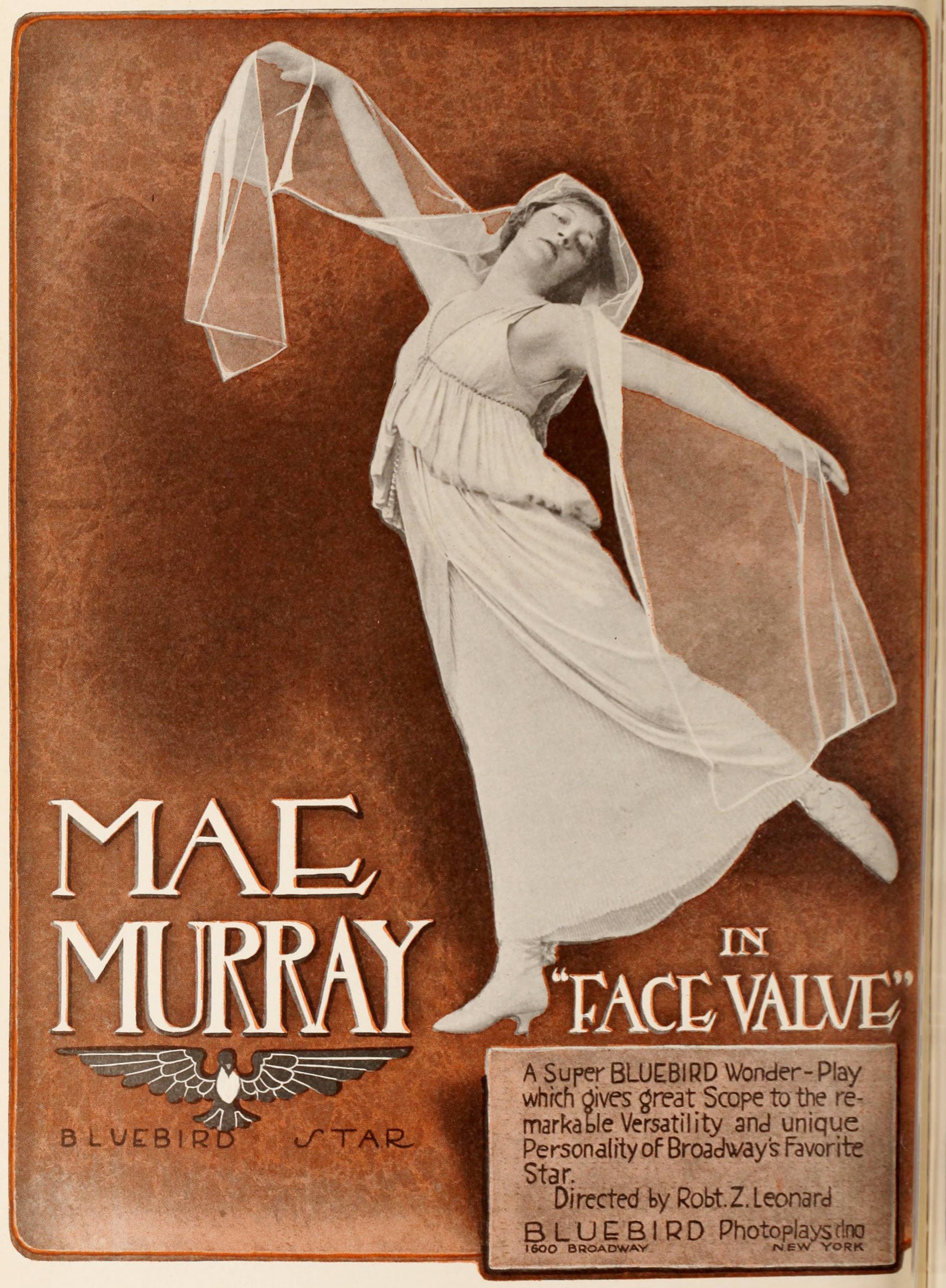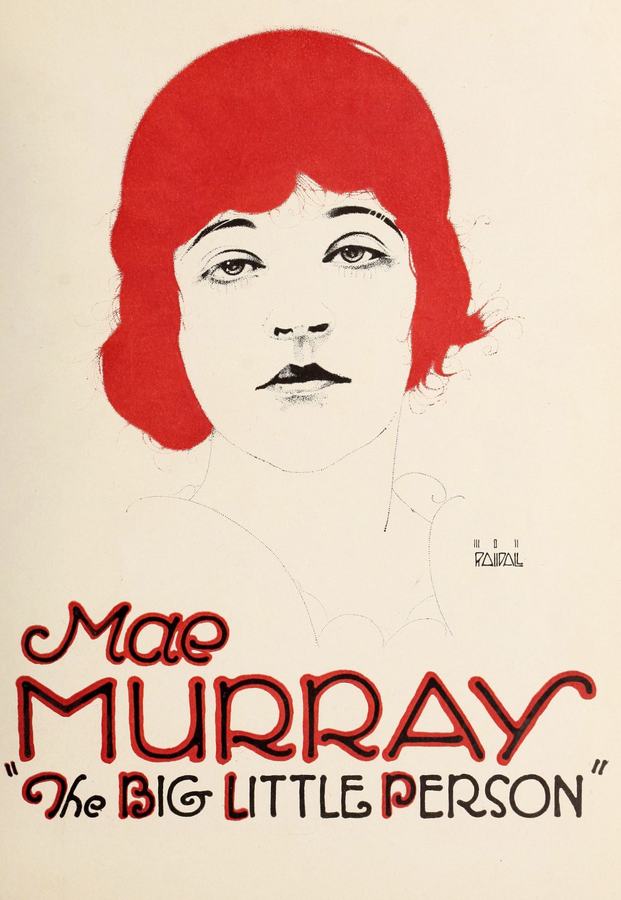
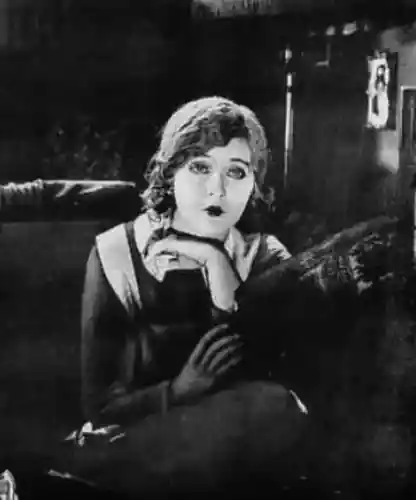
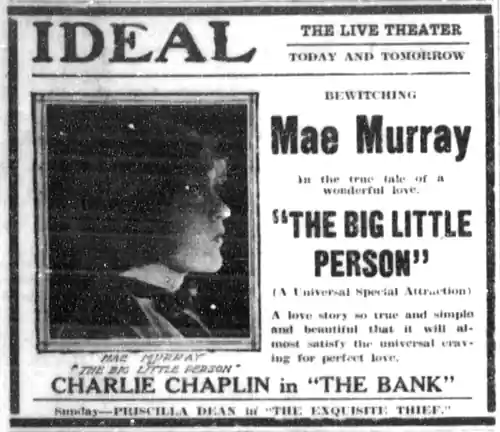
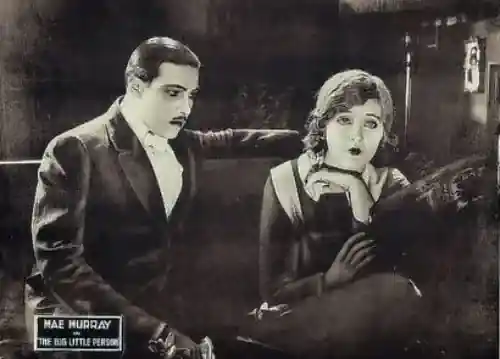
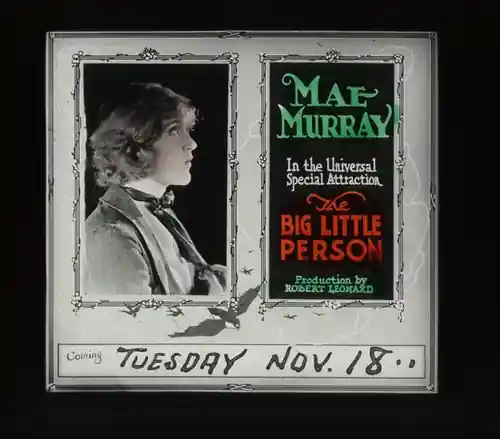
The Big Little Person was a 1919 American silent romantic drama film produced and distributed by Universal Pictures. Based on the novel of the same name by Rebecca Lane Hooper Eastman, the film was directed by Robert Z.
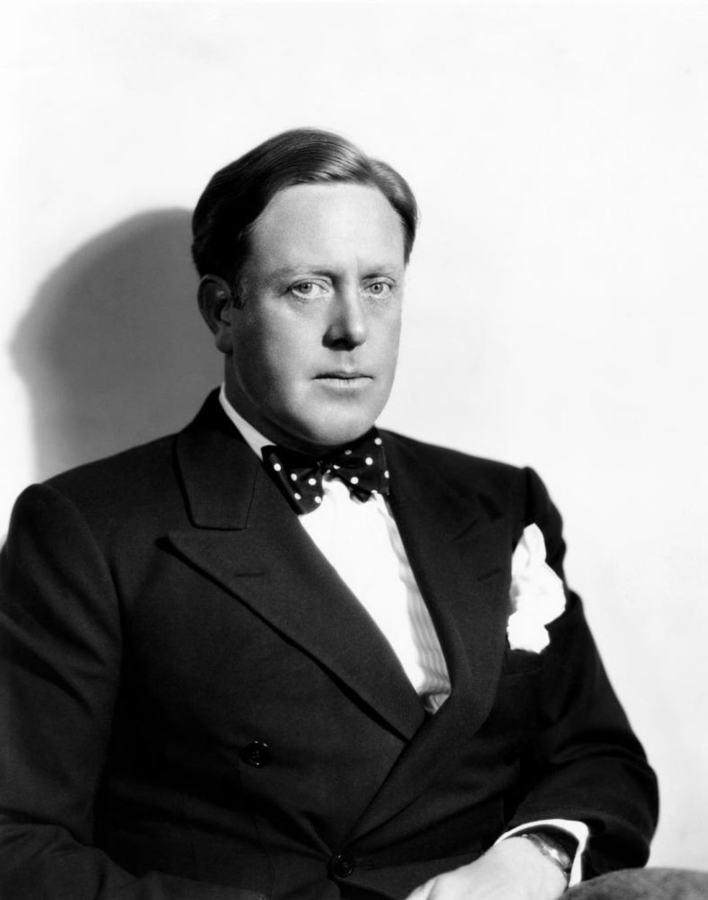
Rebecca Lane Hooper Eastman, Bess Meredyth
United States
Historical Canvas of 1919 Cinema The year 1919 marked a crucible of transformation for American motion pictures. Post‑war optimism mingled with the burgeoning studio system, and Universal Pictures, eager to cement its foothold, invested heavily in romantic dramas that could showcase both star power and narrative a...
still_frame
publicity
production_art
production_art
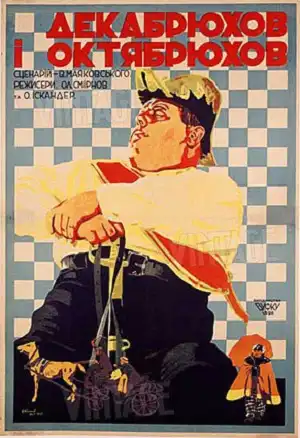
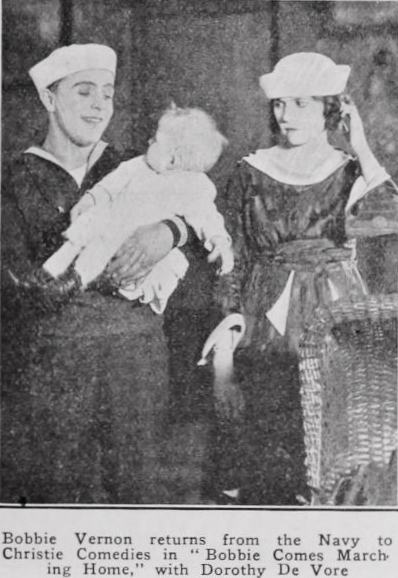
Comparing the cinematic DNA and archive impact of two defining moments in cult history.
Robert Z. Leonard
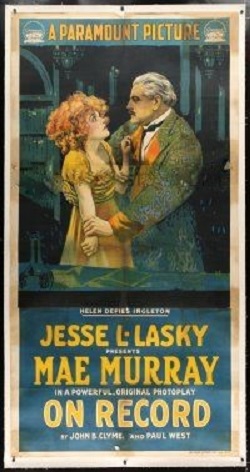
Robert Z. Leonard
Community
Log in to comment.
" Historical Canvas of 1919 Cinema The year 1919 marked a crucible of transformation for American motion pictures. Post‑war optimism mingled with the burgeoning studio system, and Universal Pictures, eager to cement its foothold, invested heavily in romantic dramas that could showcase both star power and narrative ambition. *Big Little Person* emerged from this milieu, a vehicle crafted for Mae Murray—then‑wife and muse of director Robert Z. Leonard—whose ethereal charisma had already begun t..."
Deep dive into the cult classic
Discover similar cinematic experiences
A Directorial Spotlight on Robert Z. Leonard