
DbcultAccessing Vault...
Director's Spotlight
Senior Film Conservator
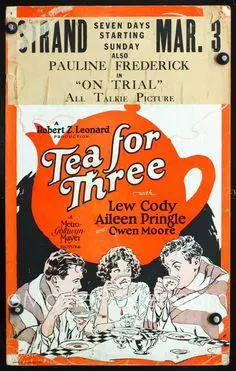
Director's Spotlight: United States
A Deep Dive into the 1927 Vision of Robert Z. Leonard
The Comedy DNA of Tea for Three is a reflection of United States's the subversive storytelling techniques employed by Robert Z. Leonard in 1927. Breaking the traditional rules of Comedy engagement, it leaves an indelible mark on the soul of the viewer.
In Tea for Three, Robert Z. Leonard pushes the boundaries of conventional narrative. The film's unique approach to its subject matter has sparked endless debates and interpretations among cinephiles and critics alike.
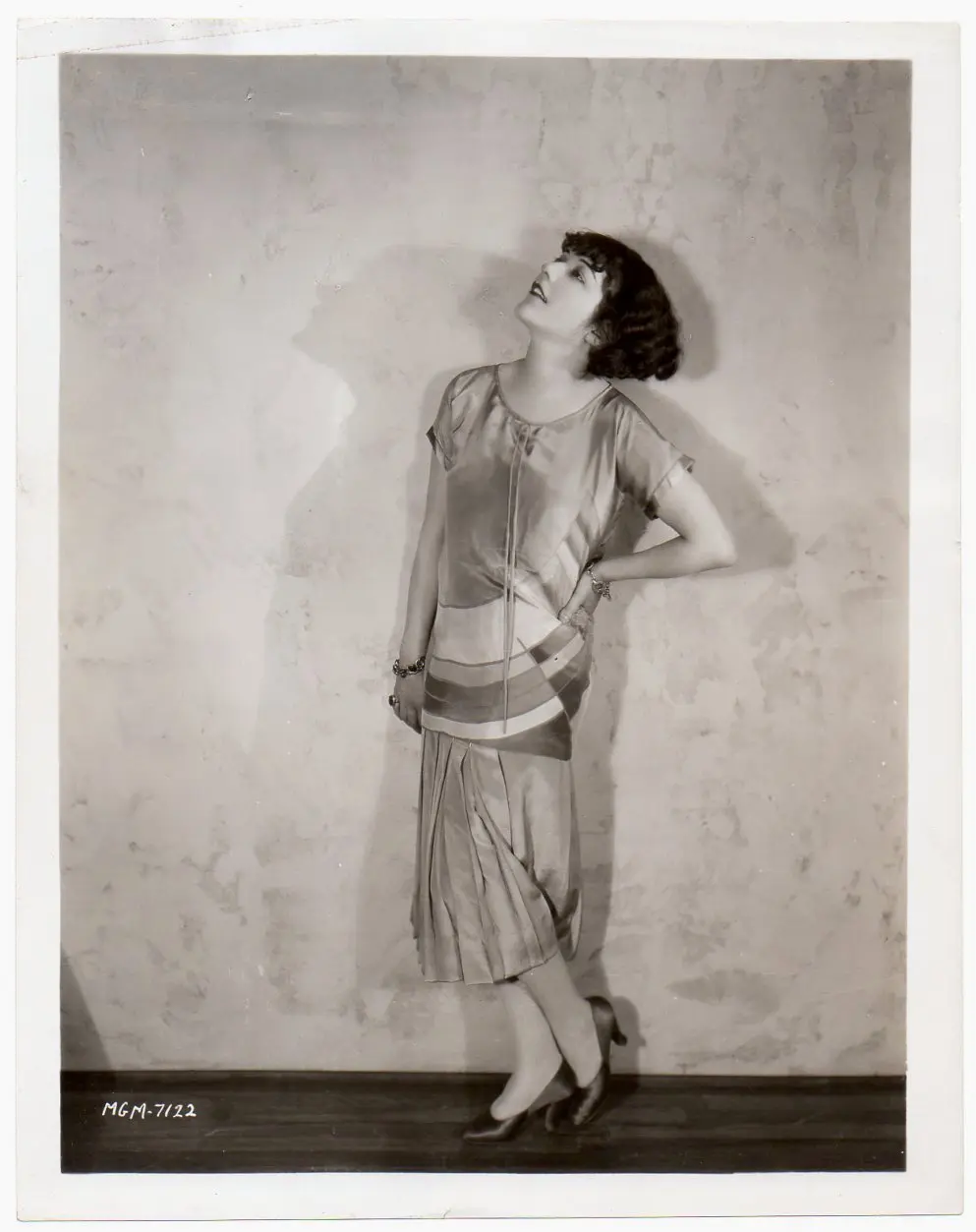
The visual language of Tea for Three is defined by its use of shadows and framing, a hallmark of Robert Z. Leonard's style. By utilizing a 1927-era palette, the film creates an immersive experience that perfectly complements its Comedy themes.
| Cinematography | Noir-Inspired |
| Soundtrack | Synth-Heavy |
| Editing | Disjunctive |
| Art Direction | Baroque |
Visualizing the convergence of Robert Z. Leonard's style and the core Comedy narrative.
Businessman Carter Langford is violently jealous of his wife's attentions to other men, particularly young bachelor Philip Collamore. When Doris hears a funny story from Collamore that her husband has already told her, she laughs at his rendition rather than that of her husband. Ultimately, Langford is willing to cut cards for the heart of Doris, the loser to exit via the suicide route. But when they all end up aboard an ocean liner, Doris brings her husband to his senses and cures him of his jealousy.
Decades after its release, Tea for Three remains a vital piece of the cinematic puzzle. Its influence can be seen in countless modern works, solidifying Robert Z. Leonard's status as a master of the craft in United States and beyond.