
DbcultAccessing Vault...
Director's Spotlight
Senior Film Conservator
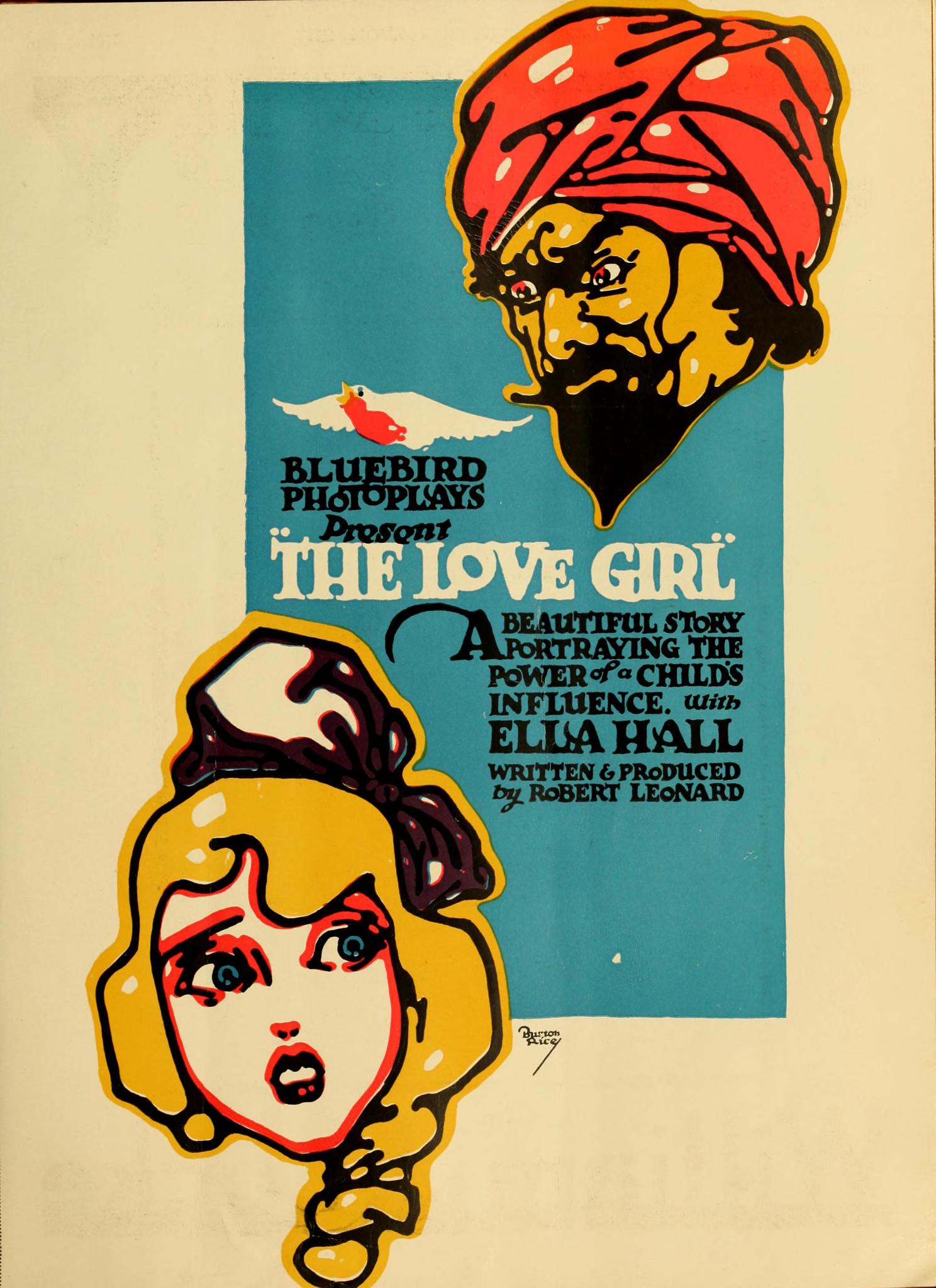
Director's Spotlight: United States
A Deep Dive into the 1916 Vision of Robert Z. Leonard
The 1916 release of The Love Girl marked a significant moment for the stylistic boundaries pushed by Robert Z. Leonard during the production. In the context of United States's rich cinematic history, it invites us to question our own perceptions of cult narratives.
In The Love Girl, Robert Z. Leonard pushes the boundaries of conventional narrative. The film's unique approach to its subject matter has sparked endless debates and interpretations among cinephiles and critics alike.
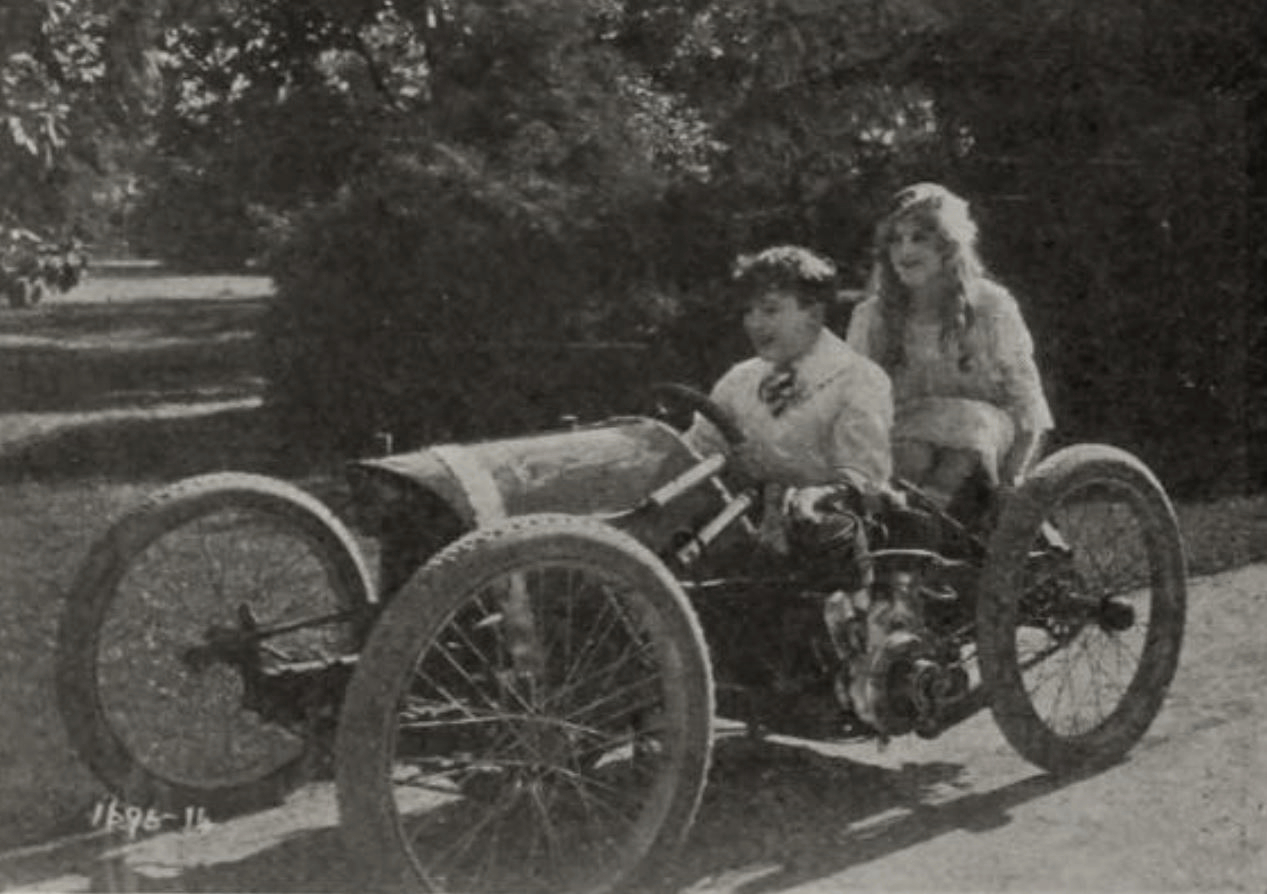
The visual language of The Love Girl is defined by its use of shadows and framing, a hallmark of Robert Z. Leonard's style. By utilizing a 1916-era palette, the film creates an immersive experience that perfectly complements its cult themes.
| Cinematography | Deep Focus |
| Soundtrack | Diegetic |
| Editing | Rhythmic |
| Art Direction | Naturalist |
Visualizing the convergence of Robert Z. Leonard's style and the core cult narrative.
Ambrosia is a sweet little girl of tender heart and loving disposition, who lives near to nature in fancy and ideals. Her mother dies, and she is sent to an aunt in the city, whom Ambrosia calls "Aunt Grouchy," to be reared as her own child. The aunt is of dignified and austere disposition, far different from Ambrosia's dead mother, and the atmosphere is a decided change from the freedom of country life and the tenderness of mother love. Ambrosia makes friends with the boy next door, and these two greatly enjoy their romps and play together. Ambrosia's cousin is in love with a poor young man, and her mother objects to his attentions, desiring for her daughter an advantageous marriage, regardless of the girl's wishes or thoughts of love. "Aunt Grouchy" is a disciple of Hindu mystics, and consults the "Swami," seeking his aid. The "Swami" practices hypnotism upon the daughter of "Aunt Grouchy," influences her to send a note breaking off the affair with the young man, and finally kidnaps the girl and holds her for ransom. Ambrosia and the boy next door discover where the girl is being held prisoner and inform the police. While the kidnappers' den is being raided, the "Swami" is at "Aunt Grouchy's" in the act of collecting the ransom money, under guise of a tribute to the Buddhist's god, but when the Secret Service men arrive and arrest him, his true character is exposed. The raid is accomplished at a critical moment, the girl is saved from harm, and when "Aunt Grouchy's" eyes are opened she realizes her past shortcomings. Conquering her proud disposition, she gives her sanction to her daughter's marriage to the poor young man, and Ambrosia lives happily ever after.
Decades after its release, The Love Girl remains a vital piece of the cinematic puzzle. Its influence can be seen in countless modern works, solidifying Robert Z. Leonard's status as a master of the craft in United States and beyond.