
Cult Cinema
The Rogue’s Radiance: Decoding the Subversive Soul and Devotional DNA of Cinema’s Earliest Fringe Masterpieces
“An exploration into how the forgotten misfits and experimental anomalies of early cinema laid the groundwork for modern cult devotion and transgressive storytelling.”
The genesis of cult cinema is rarely found in the polished marble halls of the mainstream academy. Instead, it flickers in the damp basements of forgotten archives, in the jittery frames of nitrate reels that were once deemed too strange, too experimental, or too transgressive for the polite society of their time. To understand the modern obsession with the 'midnight movie,' one must look back a century to the era of silent shadows and early talkies, where the first genre deviants were busy sketching the blueprint for what we now recognize as devotional fandom.
The Primal Flicker: Experimentalism as Rebellion
Consider the stark, geometric defiance of Rhythmus 21. In a world where cinema was still grappling with its identity as a narrative medium, this short film abandoned the human face entirely. It offered a rhythmic dance of rectangles and light, a visual manifesto that suggested cinema could be a purely sensory experience. This is the ancestral root of the avant-garde cult—the belief that the medium itself can be a weapon against conventional perception. When we watch modern experimental cult hits, we are seeing the digital echoes of those black-and-white shapes panning across a screen in 1921.
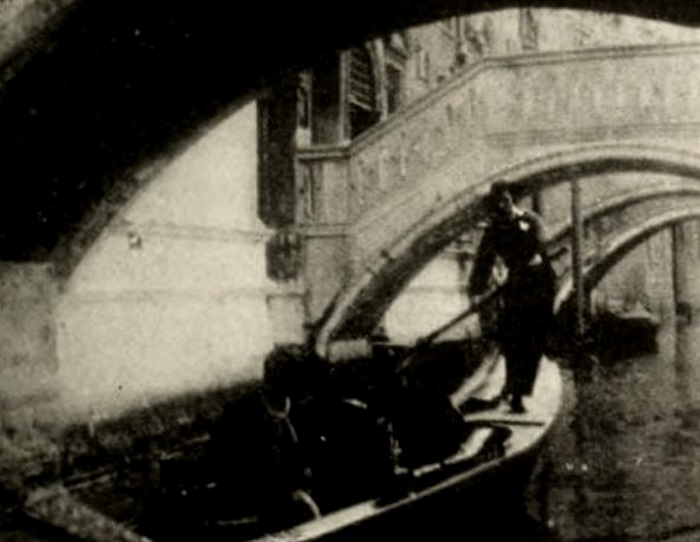
This spirit of visual experimentation wasn't limited to the abstract. It bled into the way stories were told. In A Venetian Night, the city is not just a backdrop but a psychological landscape, reflecting the 'Young Stranger's' literary fantasies. This subjective approach to reality—where the world transforms to match the protagonist's inner turmoil—is a hallmark of cult storytelling. It invites the audience into a private, curated reality, a secret world that only the 'true believers' can fully inhabit.
The Social Outcast: Slums, Sin, and the High Life
Cult cinema has always been the sanctuary of the social pariah. The early 20th century was obsessed with the tension between the 'high life' and the 'underworld,' a theme vividly captured in The Soul of a Child. When young Jim leaves his small town for the glittering, dangerous allure of the big city, he isn't just following a plot point; he is embarking on the classic 'downward spiral' that fuels so many cult narratives. The fascination with Jim's eventual ruin and the 'fancy friends' who lead him astray mirrors our modern obsession with stories of decadence and moral decay.

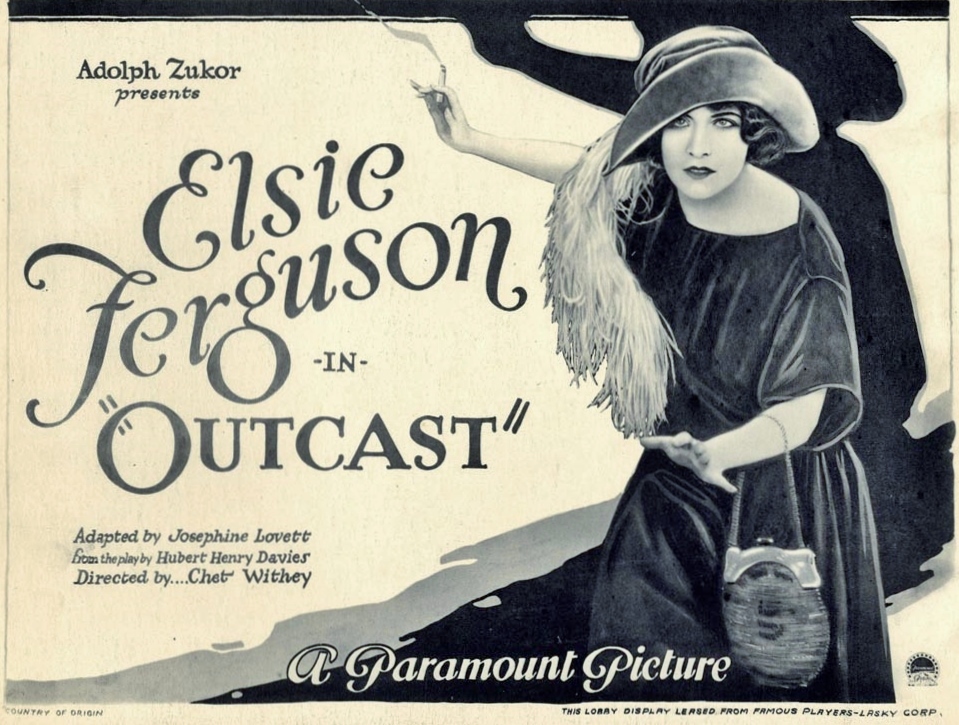
Similarly, The Wicked Darling presents us with the archetype of the 'slum girl' forced into a life of crime. When she swipes a necklace and hides out with a man from a different social class, the film explores the transgressive boundaries of class and morality. These films were the 'grindhouse' features of their day, offering audiences a glimpse into the forbidden corners of society. They provided a voice for the marginalized, even if that voice was often wrapped in the trappings of melodrama.
The Double and the Deception
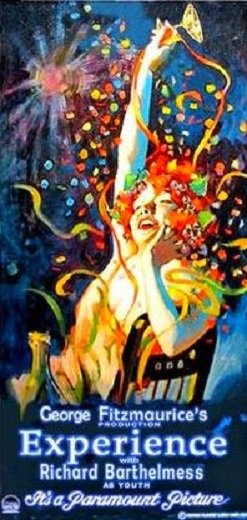
The trope of the 'lookalike' or the 'double' is a recurring motif in cult cinema, representing the fractured identity of the modern subject. The Prisoner of Zenda, with its tale of a relative taking the place of a drugged king, taps into this primal anxiety. Who are we when we wear the mask of another? This question is at the heart of cult classics that deal with identity theft, shapeshifting, and the uncanny. It challenges the viewer’s sense of self, creating a space where the 'normal' is constantly under threat from the 'other.'
The Forbidden Gospel: Taboo and Transformation
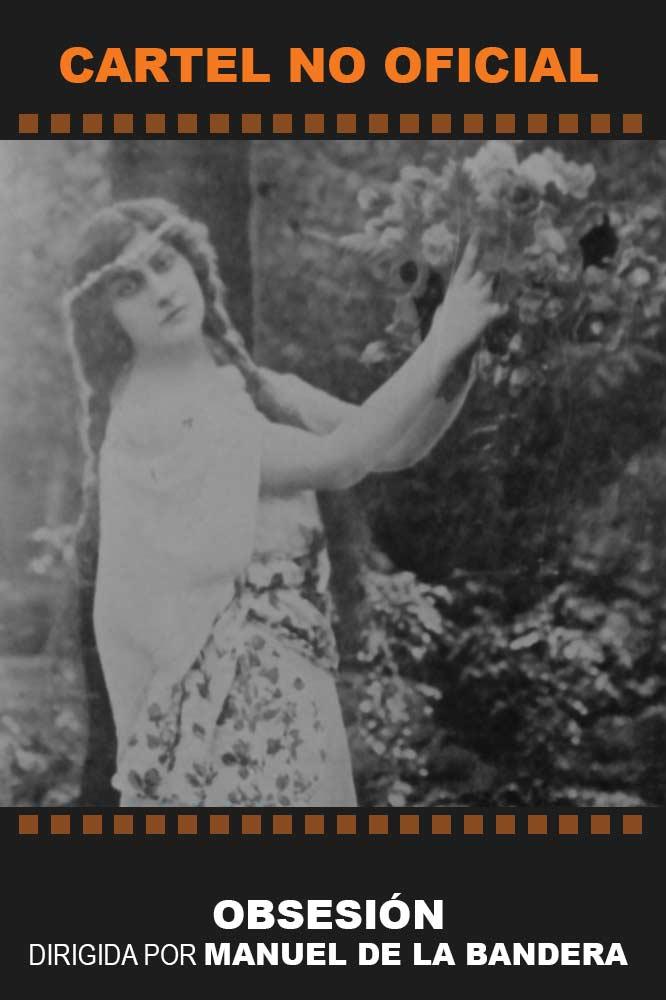
In the early days of cinema, the line between art and 'obscenity' was often blurred. Films like Dzieje grzechu (The History of Sin) dealt with themes of impure thoughts and the dangerous allure of forbidden love. By centering a narrative on a teenage girl's confession and her subsequent fall into passion, the film challenged the moral gatekeepers of the 1910s and 20s. This is the essence of the cult film: it is a forbidden gospel that speaks truths the mainstream refuses to acknowledge.
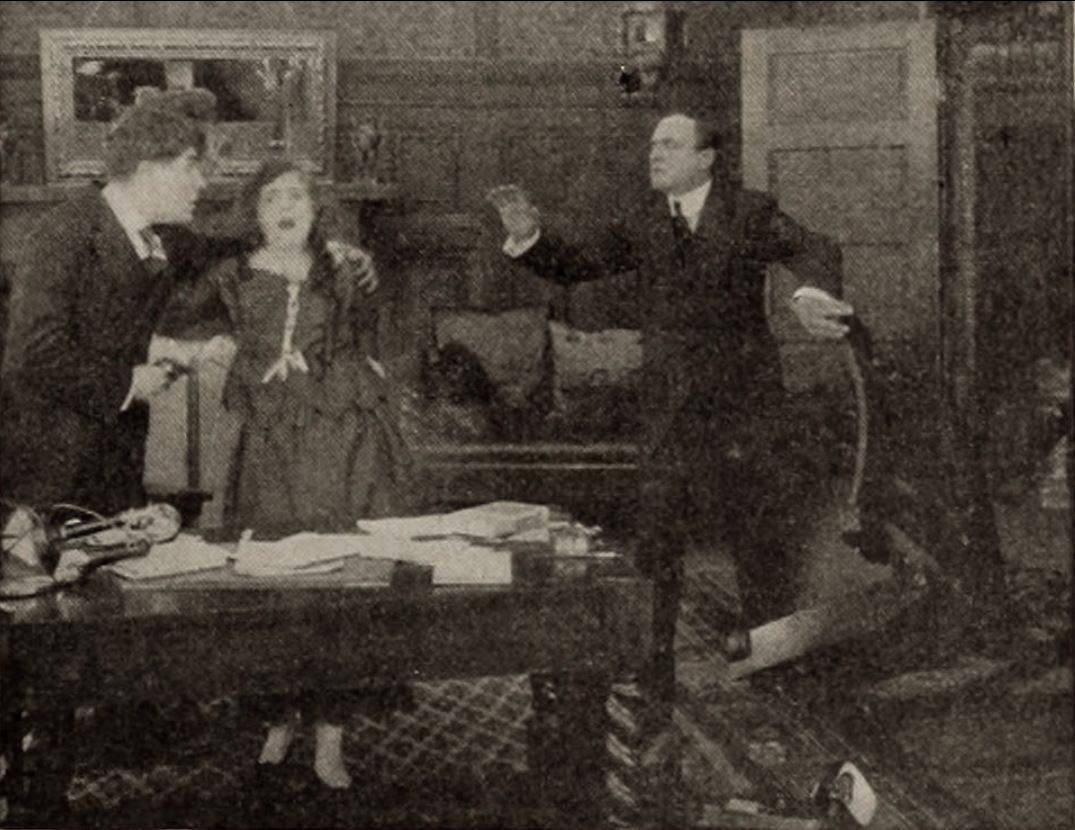
We see this same defiance in The Price of Her Soul, where Gun Connor takes on the 'drug evil' after his brother falls victim to it. These films weren't just entertainment; they were social interventions, often focusing on the 'sins' that society preferred to keep hidden. The cult audience is drawn to this honesty, to the willingness of the filmmaker to stare into the abyss and report back on what they see.
The Spectacle of the Exotic and the Unknown
Before the age of the internet, cinema was the primary window into the 'unknown.' Documentaries like Trailing African Wild Animals or the Italian historical record Gloria: Apoteosi del soldato ignoto served a dual purpose. On one hand, they were educational; on the other, they were spectacles of the 'other.' The cult mindset often involves a deep, almost academic obsession with the details of these 'other' worlds. Whether it's the exoticism of a jungle expedition or the solemn, ritualistic tribute to an unknown soldier, these films create a sense of collective witness.
This collective witnessing is what transforms a casual viewer into a devotee. When we watch Pasquale, the story of an Italian immigrant in New York, we are not just watching a comedy; we are participating in the immigrant experience, seeing the world through the eyes of someone who is perpetually an outsider. This 'outsider' perspective is the bedrock of cult cinema.
The Architecture of the Midnight Mindset
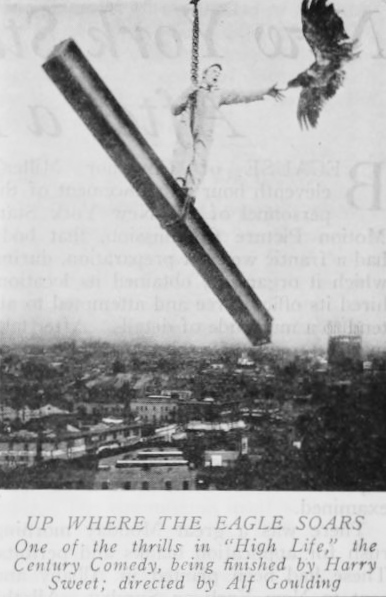
Why do we return to these films? Why does a bumbling stuntman in The Dare-Devil or a rural boxer in The Egg Crate Wallop resonate with us more than the polished heroes of modern blockbusters? The answer lies in the authenticity of the anomaly. Cult films are often 'imperfect' by traditional standards—they may be low-budget, oddly paced, or tonally inconsistent. But these very 'flaws' are what make them feel human.
In The Smart Sex, a stranded showgirl rescues a goose and makes it her partner. It’s a bizarre, endearing image that defies the logic of high-stakes drama. It is a moment of pure, unadulterated 'weirdness' that sticks in the mind long after the credits roll. This is the 'midnight' quality—the celebration of the strange, the small, and the idiosyncratic.
Espionage, Danger, and the Global Fringe
The early 20th century was a time of global upheaval, and the cinema reflected this through tales of espionage and political intrigue. For the Freedom of the East and The New Moon take us into a world of secret societies, anarchist bombs, and high-stakes betrayal. These films created a sense of a 'hidden world' operating just beneath the surface of reality. The cult fan is often a 'detective' of sorts, looking for clues, decoding secret messages, and piecing together the lore of a fictional universe.
Even the titles of the era suggest a world of mystery and danger: Der Sprung ins Dunkle (The Leap into the Dark), Die Tänzerin Navarro, and Hearts in Exile. These are not just movies; they are invitations to a journey into the unknown. They offer a sense of danger that is missing from the sanitized experiences of contemporary multiplexes.
The Legacy of the Maverick
Ultimately, the enduring power of cult cinema is rooted in the figure of the maverick—the filmmaker who refuses to play by the rules. Whether it's the architect in Whitewashed Walls executing a palace for a vain governor or the director of A Doll’s House (1922) tackling the authoritarian structures of marriage, these creators were rebels. They used the camera to question authority, to explore the psyche, and to celebrate the beauty of the fringe.
The films of the 1910s and 20s, from the slapstick chaos of Keystone Comedies to the high-power explosives of Treason, provided the genetic material for everything that followed. They taught us that cinema could be a site of ritual, rebellion, and revelation. They showed us that the most powerful stories are often the ones that society tries to forget.
As we navigate the vast, digital landscape of modern film, we should remember these early pioneers. They were the original 'midnight' directors, the ones who understood that the most vibrant life is often found in the shadows. The 'Rogue’s Radiance' is not just a relic of the past; it is a living, flickering flame that continues to guide every filmmaker who dares to step off the beaten path and into the glorious, unpredictable wild of the cinematic fringe.
By revisiting works like Lisa Fleuron or Sapho, we reconnect with the raw, unpolished heart of the medium. We find the soul of a child, the courage of a dare-devil, and the vision of a princess. We find ourselves in the 'misfit' reels, and in doing so, we ensure that the spirit of cinematic rebellion will never truly fade to black.
Community
Comments
Log in to comment.
Loading comments…