
Cult Cinema
Breaking the Frame: How Cult Cinema Rewrites the Rules of Storytelling and Fandom
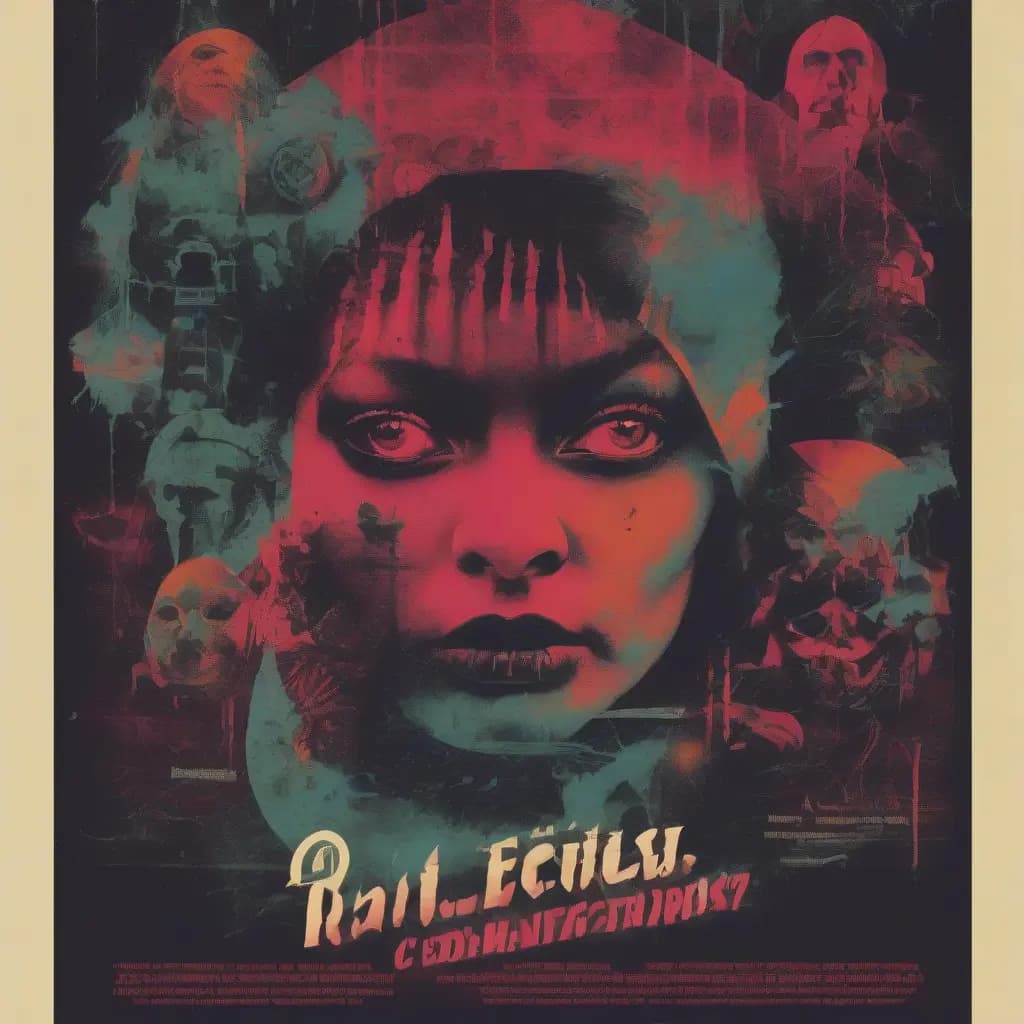
“Cult cinema defies conventional filmmaking, forging deep connections with its audience through unconventional narratives, transgressive themes, and a profound disregard for mainstream appeal. This article explores the enduring power of these cinematic oddities, from their silent-era genesis to their…”
In the vast, ever-expanding universe of film, there exists a unique constellation known as cult cinema. These aren't merely movies; they are experiences, manifestos, and often, secret handshakes among devoted fandoms. Unlike blockbusters designed for mass consumption, cult films thrive on the fringes, cultivating a fervent following that cherishes their unconventional narratives, transgressive themes, and often, their initial commercial failure. They are films that break the frame, challenging traditional storytelling conventions and forging a distinct identity that resonates deeply with those who seek something beyond the ordinary. This journey into the heart of cult cinema reveals not just a collection of movies, but a cinematic philosophy that has been evolving since the earliest days of the moving image, finding its foundational spirit in the very first experiments of the silent era.
The Allure of the Anomalous: Why We Gravitate Towards the Unconventional
What compels audiences to return, again and again, to films that were perhaps once dismissed, misunderstood, or even reviled? The answer lies in the allure of the anomalous. Cult films often present worlds, characters, or ideas that deliberately deviate from established norms, offering perspectives rarely seen in mainstream fare. They are the cinematic equivalent of a whispered secret, a forbidden fruit, or a bizarre dream that lingers long after waking. This pursuit of the distinct has deep roots, traceable back to cinema's infancy. Even in the silent era, filmmakers experimented with narratives that pushed emotional boundaries or depicted extraordinary human endeavors. Imagine the raw drama of a film like The Ordeal, exploring complex marital strife and addiction, or the gripping tension of The Grim Game, a tale of unjust imprisonment and daring escapes. These early works, though perhaps not 'cult' in the modern sense, contained seeds of the unconventional storytelling and intense character focus that would later define the cult phenomenon. They offered audiences something different, a break from the expected, laying the groundwork for a cinematic appetite for the strange and the sublime. The initial spark for a cult film often ignites from its sheer audacity – its willingness to be weird, confrontational, or simply unique, rejecting the safety of formula for the thrill of artistic exploration.
Fandom as a Sacred Space: Building Communities Around Shared Visions
At the core of cult cinema lies its devoted fandom. These aren't passive viewers; they are active participants, curators, and evangelists. Cult films foster communities where shared appreciation blossoms into a collective identity. Midnight screenings, themed parties, online forums, and academic analyses become sacred rituals, reinforcing the communal bond. This sense of belonging is a powerful draw, offering solace and validation to those who feel alienated by mainstream culture. The act of watching a cult film together transforms a solitary experience into a shared celebration, where every obscure reference and iconic line is met with knowing nods and enthusiastic cheers. The social aspect of cult film appreciation echoes historical patterns of niche interest. Even in the early 20th century, certain cinematic spectacles, be they dramatic tales of survival like The Three Godfathers or visually stunning travelogues such as A Trip Through China, would have undoubtedly sparked fervent discussion and repeat viewings among specific segments of the audience. The concept of a shared viewing experience, where the audience becomes part of the performance, is integral to the cult experience. It’s a space where outsiders find their tribe, united by a love for the cinematic underdog, the misunderstood masterpiece, or the glorious failure. This collective embrace often elevates a film from obscurity to legendary status, transforming it into more than just a movie, but a cultural touchstone for its adherents.
Transgression and Taboo: Pushing the Boundaries of Cinematic Expression
Many cult films gain their notoriety by daring to tread where mainstream cinema fears to go. They embrace transgression and taboo, exploring themes of violence, sexuality, social alienation, or existential dread with unflinching honesty. This fearlessness in addressing uncomfortable truths or showcasing extreme aesthetics is often what initially repels wider audiences but electrifies a dedicated few. These films challenge moral conventions, provoke thought, and force viewers to confront aspects of the human condition that are typically sanitized or ignored. The history of cinema is replete with examples of films that, for their time, pushed boundaries. Consider the intense character portrayal in The Gilded Spider, featuring Lon Chaney, or the dramatic conflicts inherent in The Firing Line, which delves into complex relationships and societal expectations. While not explicitly 'taboo' by today's standards, these films showcased characters and situations that challenged the sensibilities of their contemporary audiences, attracting those who craved more challenging fare. This rebellious spirit is a defining characteristic of cult cinema, a testament to its role as a counter-cultural force. It's in these challenging narratives that cult films find their sharpest edge, carving out a space for stories that refuse to conform, and in doing so, offer a profound sense of liberation to their viewers. The deliberate provocation, the embrace of the grotesque or the sublime, and the refusal to compromise artistic vision for commercial viability are hallmarks of this transgressive art form.
Genre Alchemy and Narrative Freedom: Defying Categorization
One of the most thrilling aspects of cult cinema is its audacious disregard for genre boundaries. These films often engage in genre alchemy, blending disparate elements into something entirely new and often unclassifiable. Is it horror? Comedy? Sci-fi? A musical? Often, it's all of the above, and none of the above, simultaneously. This narrative freedom allows for unparalleled creativity, resulting in truly original cinematic experiences that defy easy categorization and challenge audience expectations. This experimental approach to storytelling isn't a modern invention; its genesis can be seen in the diverse output of early cinema. The filmographies of the era reveal a wide array of styles and subjects, from lighthearted comedies like Hold Your Horses and Bringing Up Buddy to intense dramas such as Stronger Than Death and adventure tales like Allan Quatermain. Even early animation, like Das Wunder, showcases a willingness to explore different forms of visual storytelling. These early filmmakers were, in a sense, constantly experimenting, inadvertently laying the groundwork for the genre-bending spirit that would later become a hallmark of cult films. They were not bound by rigid market expectations, allowing for a creative fluidity that paved the way for future cinematic rebels. This refusal to be pigeonholed is precisely what makes cult films so enduringly fascinating, offering endless layers of interpretation and re-discovery with each viewing. They invite audiences to shed their preconceived notions and embrace the unexpected, making every screening a unique adventure.
The Journey of Discovery and Rediscovery: From Obscurity to Icon
The path of a cult film from obscurity to iconic status is often a long and winding one, marked by delayed recognition and passionate rediscovery. Many cult classics were initially critical or commercial failures, only to find their true audience years, or even decades, later. This journey of cinematic discovery is deeply personal for many fans, akin to unearthing a hidden treasure. The feeling of being part of a select few who 'get it' fosters an even deeper connection to the material. These films aren't handed down by cultural gatekeepers; they are championed by the grassroots, passed from friend to friend, whispered about in hushed tones, until their collective resonance becomes undeniable. This phenomenon of delayed appreciation is a crucial aspect of the cult movie experience. It speaks to the idea that true artistic merit isn't always immediately apparent or universally accepted. The silent era, with its vast output and limited archival preservation, undoubtedly holds countless such 'forgotten' films that, had they survived and been rediscovered, might have garnered similar devoted followings. Films like The Ship of Doom or The Kalda Ruby, with their intriguing titles, hint at narratives that could have captivated niche audiences with their unique dramatic or mystery elements. The act of bringing a forgotten film into the light, of giving it a second life through fervent advocacy, is a powerful testament to the enduring appeal and transformative power of cult cinema. It demonstrates that the value of a film is not solely determined by its initial reception, but by its capacity to resonate across generations and inspire enduring passion.
Impact and Legacy: Rewriting the Cinematic Canon
Despite their outsider status, cult films exert a profound and often underestimated influence on the broader cinematic landscape. They challenge the mainstream to be bolder, more experimental, and more inclusive of diverse voices and perspectives. Elements once considered too strange or niche eventually seep into popular culture, inspiring new generations of filmmakers and artists. The legacy of cult cinema is one of constant renewal and rebellion, ensuring that the art form remains vibrant and dynamic. By breaking the frame, cult films effectively rewrite the rules of what is considered 'good' or 'important' cinema, expanding the cinematic canon beyond critically acclaimed darlings and box office giants. The very existence of early films that explored diverse subjects, from international documentaries like Britain Prepared to character-driven dramas such as Beau Revel, showcases an inherent desire within cinema to explore the full spectrum of human experience and imagination. This foundational diversity, this early willingness to experiment, laid the philosophical groundwork for future cult movements. These unconventional masterpieces serve as a vital reminder that artistic merit can be found in the most unexpected places, often far from the glittering lights of Hollywood. Their persistent resonance proves that true artistic power lies not in widespread acceptance, but in the ability to forge deep, meaningful connections with an audience, however small, and to inspire a lasting, transformative impact on culture. Cult cinema is not just a genre; it is a vital, beating heart at the core of film history, perpetually pushing boundaries and redefining the very essence of what cinema can be.
Community
Comments
Log in to comment.
Loading comments…