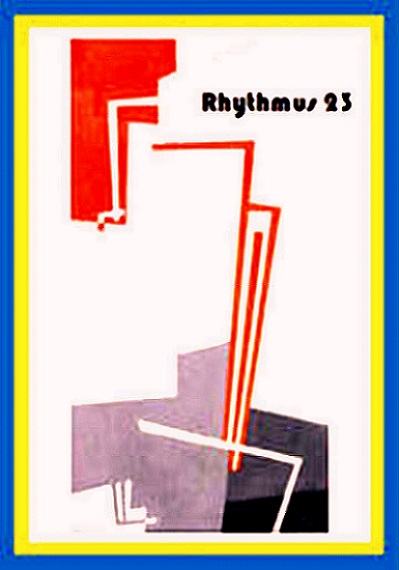
Black and white rectangular images fade in and out of the screen. Their movement make them sometimes look like they're panning from side to side.

Germany
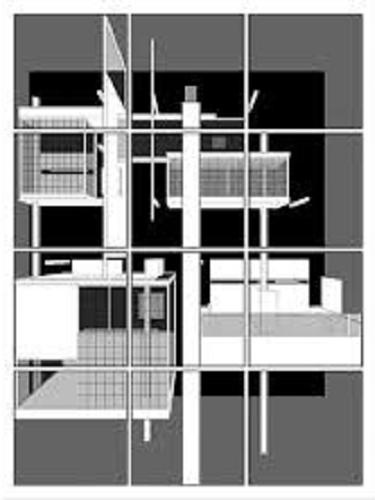
Rhythmus 21 In the pantheon of cinematic avant-garde, few works are as audacious in their minimalism as Hans Richter’s Rhythmus 21. This 1921 silent film, a cornerstone of Dadaist experimentation, strips away all narrative pretense to focus on the purest expression of motion and form. By framing the screen as a ch...
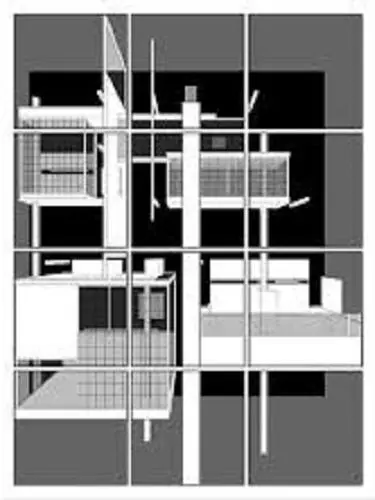
still_frame

Comparing the cinematic DNA and archive impact of two defining moments in cult history.
Hans Richter

Unknown Director
Community
Log in to comment.
" Rhythmus 21 In the pantheon of cinematic avant-garde, few works are as audacious in their minimalism as Hans Richter’s Rhythmus 21. This 1921 silent film, a cornerstone of Dadaist experimentation, strips away all narrative pretense to focus on the purest expression of motion and form. By framing the screen as a chessboard of black and white rectangles—sometimes static, often in flux—Richter crafts a visual dialectic that interrogates the boundaries of perception. The rectangles themselves b..."

Deep dive into the cult classic
Discover similar cinematic experiences
A Directorial Spotlight on Hans Richter