
DbcultAccessing Vault...
Director's Spotlight
Senior Film Conservator
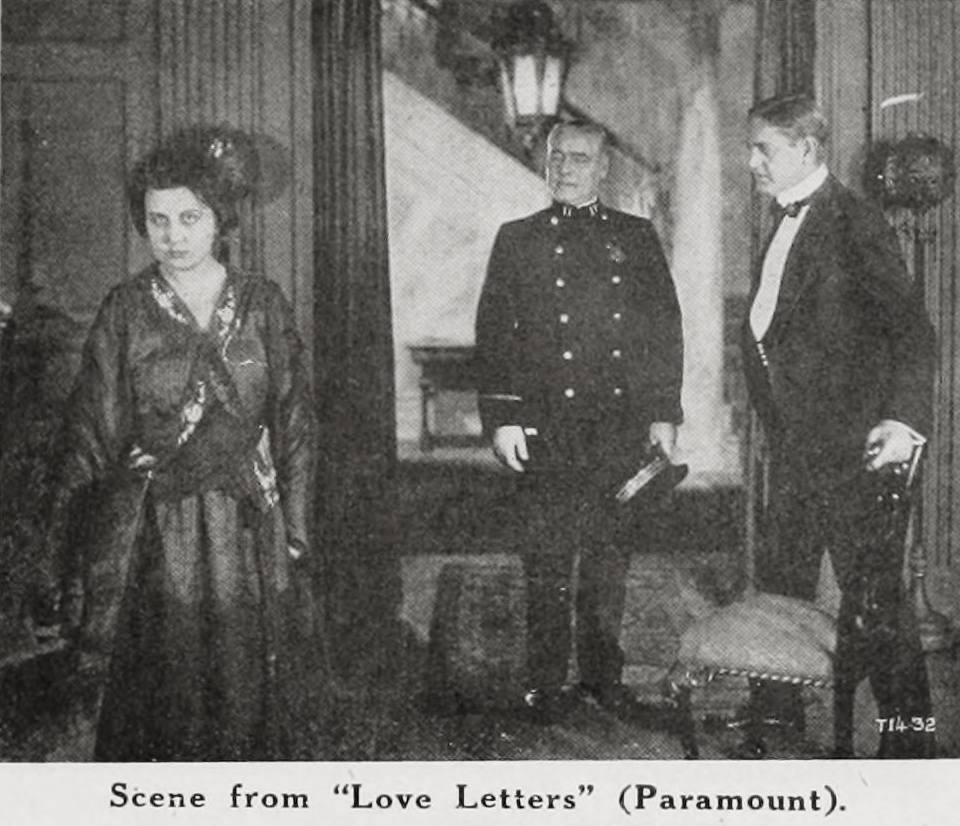
Director's Spotlight: United States
A Deep Dive into the 1917 Vision of Roy William Neill
In the storied career of Roy William Neill, Love Letters stands as a the provocative questions that Roy William Neill poses to the United States audience. Elevating the source material through Roy William Neill's unique vision, it persists as a haunting reminder of our own cinematic history.
In Love Letters, Roy William Neill pushes the boundaries of conventional narrative. The film's unique approach to its subject matter has sparked endless debates and interpretations among cinephiles and critics alike.
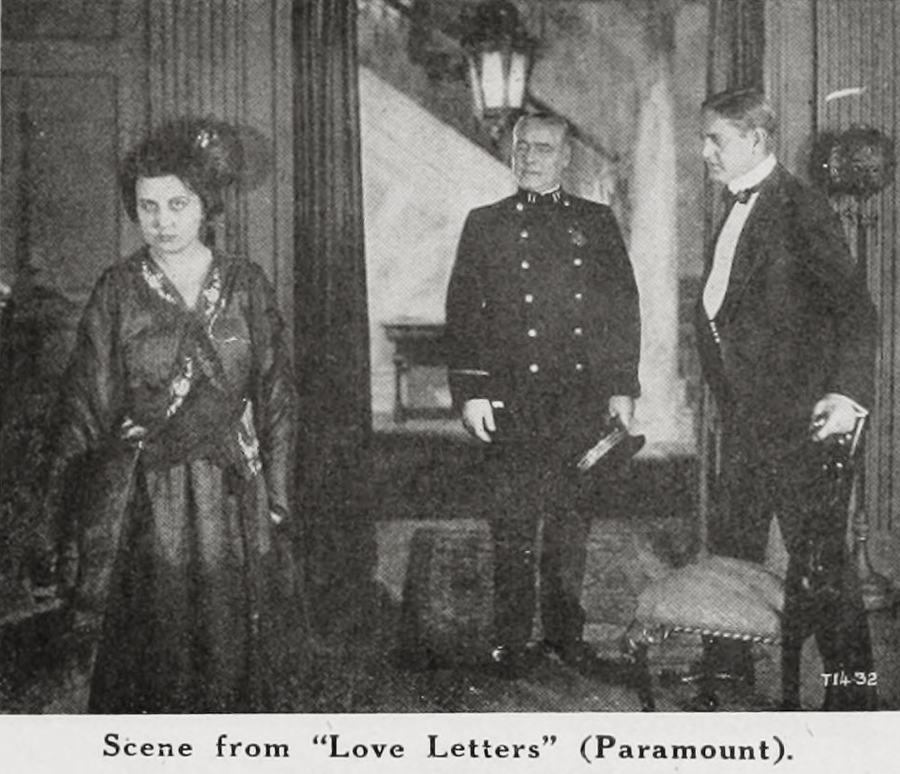
The visual language of Love Letters is defined by its use of shadows and framing, a hallmark of Roy William Neill's style. By utilizing a 1917-era palette, the film creates an immersive experience that perfectly complements its cult themes.
| Cinematography | Handheld |
| Soundtrack | Minimalist |
| Editing | Slow-Burn |
| Art Direction | Brutalist |
Visualizing the convergence of Roy William Neill's style and the core cult narrative.
Eileen Rodney believes herself in love with Raymond Moreland, who poses as the leader of an oriental cult, but discovers his duplicity in time to avoid the serious consequences of an elopement. She marries her guardian, John Harland, and is happy until Moreland returns and seeks to reopen the affair under threat of exposure. Moreland is killed, and her husband, as District Attorney, takes charge of the case. Her efforts to recover the love letters she wrote Moreland are nearly her undoing, precipitating an unusually thrilling chain of action.
Decades after its release, Love Letters remains a vital piece of the cinematic puzzle. Its influence can be seen in countless modern works, solidifying Roy William Neill's status as a master of the craft in United States and beyond.