
DbcultAccessing Vault...
Director's Spotlight
Senior Film Conservator
Director's Spotlight: United States
A Deep Dive into the 1918 Vision of Roy William Neill
In the grand tapestry of cult cinema, Love Me serves as a bridge between the bold experimentation that has become synonymous with Roy William Neill. Breaking the traditional rules of cult engagement, it highlights the importance of independent voices in United States.
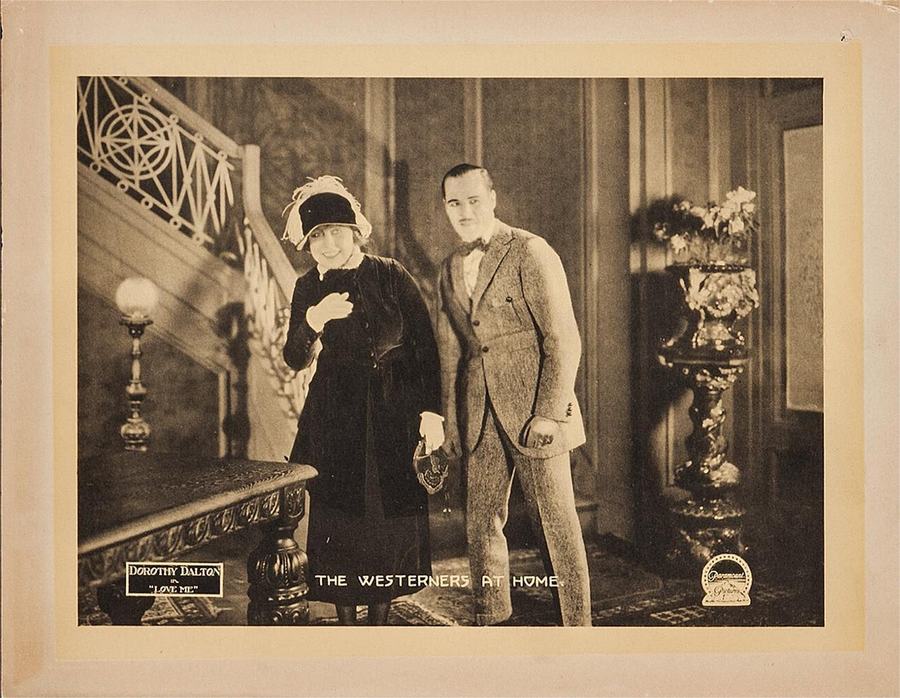
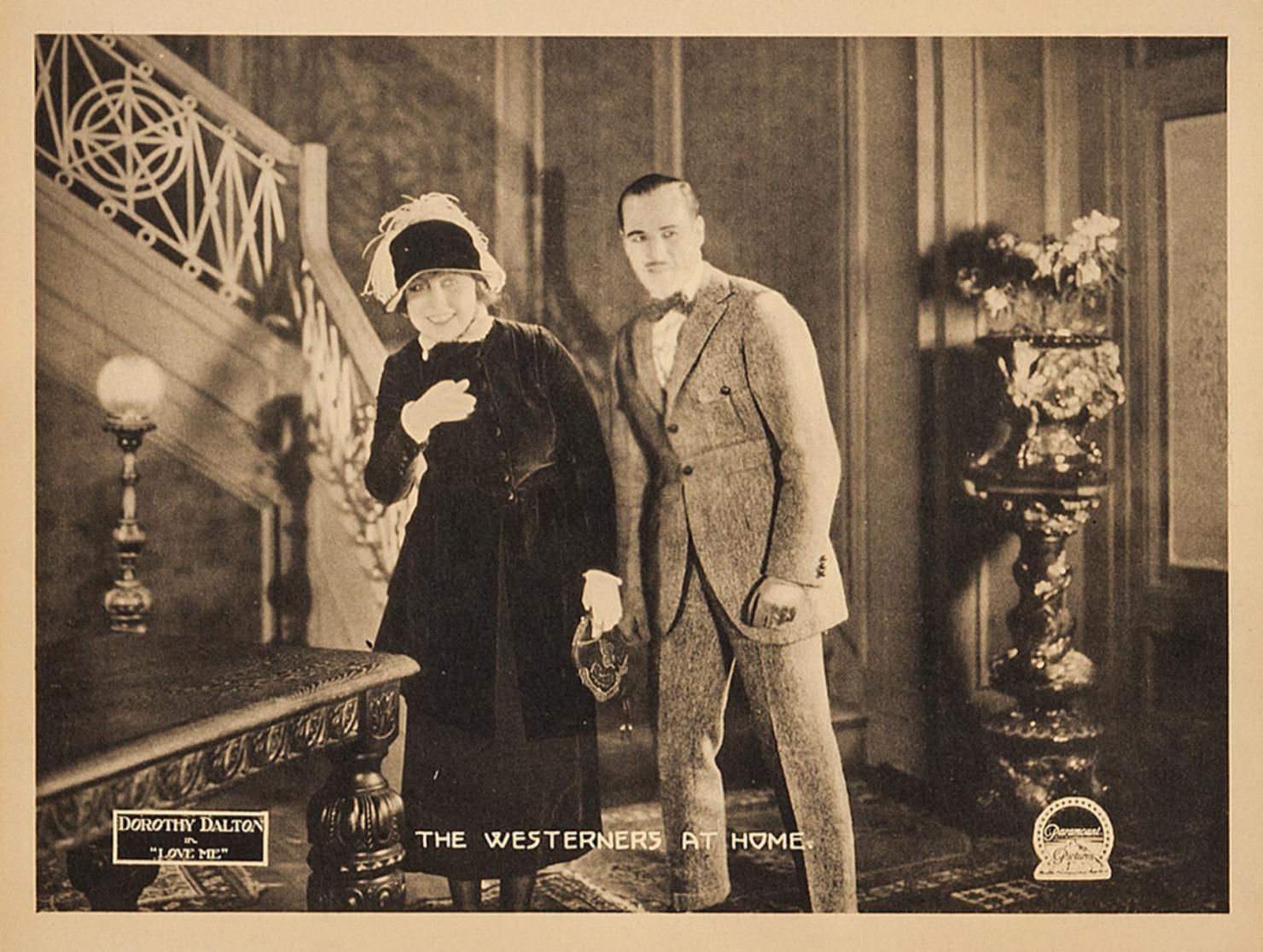
In Love Me, Roy William Neill pushes the boundaries of conventional narrative. The film's unique approach to its subject matter has sparked endless debates and interpretations among cinephiles and critics alike.
| Cinematography | Handheld |
| Soundtrack | Orchestral |
| Editing | Slow-Burn |
| Art Direction | Brutalist |
Visualizing the convergence of Roy William Neill's style and the core cult narrative.
In a Western mining town, millionaire Gordon Appleby meets Maida Madison, a civil engineer, and proposes. The two marry and return to Philadelphia, where they are coldly received by Gordon's snobbish family. Gordon's elder brother Mortimer's highbrow sensibilities are particularly offended by Maida's breezy manner, and he determines to break up the marriage. Meanwhile, Maida learns that Gordon's sister Eunice, whose husband is a lieutenant overseas, has formed an attachment to playboy Rupert Fenton. Maida decides to save Eunice when, at a party, she overhears her planning to elope with Rupert to Egypt. Late that evening, Maida follows Eunice to Rupert's apartment, where she is seen by Mortimer, who almost succeeds in convincing Gordon of her unfaithfulness. Maida refuses to explain her presence at Rupert's in order to shield Eunice, who, ashamed, confesses her guilt. Filled with gratitude, the Applebys accept their Western daughter-in-law into the family.
Decades after its release, Love Me remains a vital piece of the cinematic puzzle. Its influence can be seen in countless modern works, solidifying Roy William Neill's status as a master of the craft in United States and beyond.