
DbcultAccessing Vault...
Director's Spotlight
Senior Film Conservator
Director's Spotlight: Germany
A Deep Dive into the 1917 Vision of Rudolf Biebrach
Witnessing the stylistic transformation of cult through Die Prinzessin von Neutralien reveals the global recognition that Rudolf Biebrach garnered after the release of Die Prinzessin von Neutralien. Serving as a mirror to the anxieties of a changing world, offering layers of thematic complexity that demand repeated viewing.
In Die Prinzessin von Neutralien, Rudolf Biebrach pushes the boundaries of conventional narrative. The film's unique approach to its subject matter has sparked endless debates and interpretations among cinephiles and critics alike.
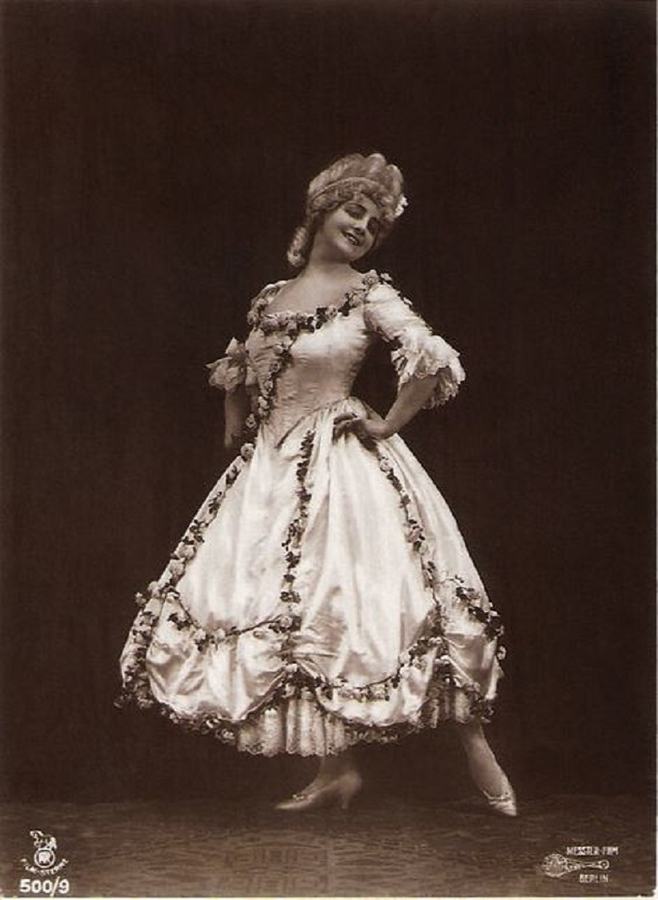
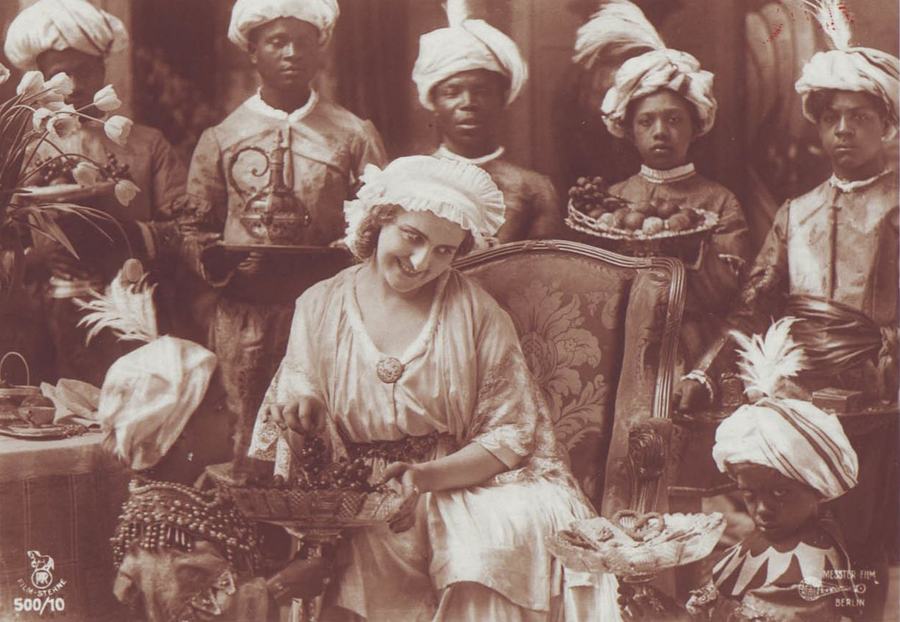
The visual language of Die Prinzessin von Neutralien is defined by its use of shadows and framing, a hallmark of Rudolf Biebrach's style. By utilizing a 1917-era palette, the film creates an immersive experience that perfectly complements its cult themes.
| Cinematography | Deep Focus |
| Soundtrack | Minimalist |
| Editing | Disjunctive |
| Art Direction | Baroque |
Visualizing the convergence of Rudolf Biebrach's style and the core cult narrative.
Milliardärstochter Ethel Vandergolt hat schon so viele Liebhaber zurückgewiesen, dass diese einen Club gründen, um sich an ihr zu rächen. Sie engagieren für eine große Summe den Schmieren-Schauspieler Dick Robinson, der um Ethel werben und sie dann seinerseits zurückweisen soll. Doch als Ethel und Dick sich tatsächlich ineinander verlieben, kann er es mit seinem Gewissen nicht mehr vereinbaren, seine Aufgabe zu erfüllen, und verlässt sie. Erst als sie ihm vorspielt, sie habe ihr ganzes Vermögen verloren, kommt er zu ihr zurück. - Prunkvoll ausgestattetes Lustspiel mit Henny Porten.
Decades after its release, Die Prinzessin von Neutralien remains a vital piece of the cinematic puzzle. Its influence can be seen in countless modern works, solidifying Rudolf Biebrach's status as a master of the craft in Germany and beyond.