
DbcultAccessing Vault...
Director's Spotlight
Senior Film Conservator
Director's Spotlight: United States
A Deep Dive into the 1916 Vision of S. Rankin Drew
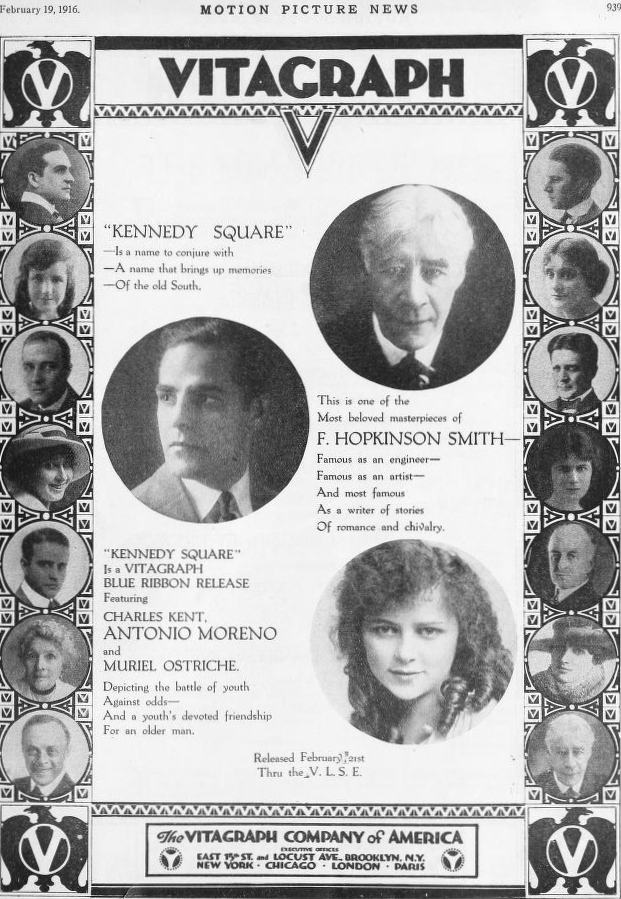
The thematic gravity of Kennedy Square (1916) is rooted in the historical context that S. Rankin Drew weaves into the cult fabric. Synthesizing the best elements of United States and international cinema, it highlights the importance of independent voices in United States.
In Kennedy Square, S. Rankin Drew pushes the boundaries of conventional narrative. The film's unique approach to its subject matter has sparked endless debates and interpretations among cinephiles and critics alike.
To fully appreciate Kennedy Square, one must consider the cinematic climate of 1916. During this period, United States was undergoing significant artistic shifts, and S. Rankin Drew was at the forefront of this cult movement, often challenging established norms.
| Cinematography | Deep Focus |
| Soundtrack | Diegetic |
| Editing | Rhythmic |
| Art Direction | Naturalist |
Visualizing the convergence of S. Rankin Drew's style and the core cult narrative.
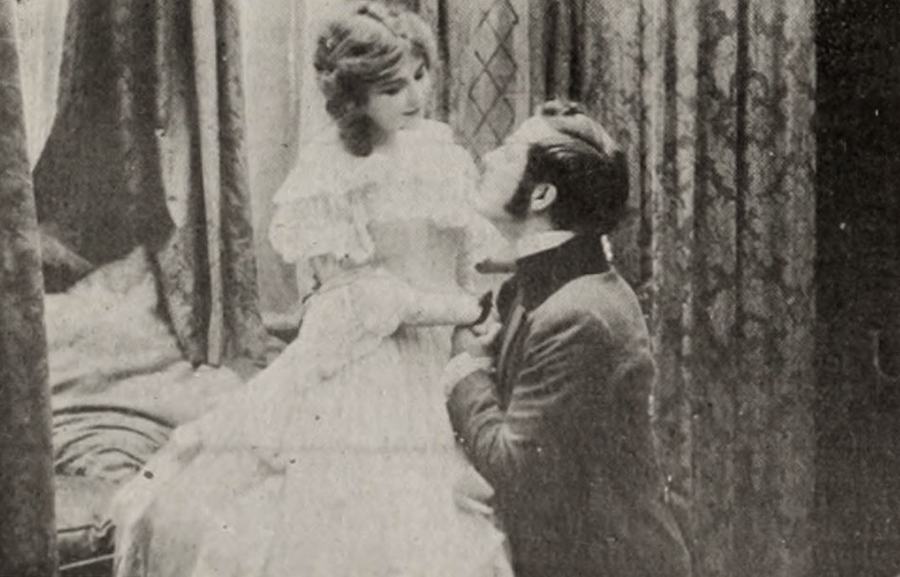
At a dance on his parents' plantation in the early nineteenth century, Harry Rutter wins a duel with Langdon Willetts, but loses his fiancée, Kate Seymour, who disapproves of fighting. Harry also is thrown out of the house by his father for violating every rule of Southern hospitality. He then stays at Kennedy Square, the home of his older friend and confidant, St. George Temple, who risks financial ruin in order to pay off Harry's debts. Tired of accepting charity, Harry leaves for South America, after which the bank forecloses on St. George's home. A few years later, Harry, having made a fortune, returns, and buys back Kennedy Square for St. George. Then, Harry and Kate reconcile, and begin making plans for their marriage.
Decades after its release, Kennedy Square remains a vital piece of the cinematic puzzle. Its influence can be seen in countless modern works, solidifying S. Rankin Drew's status as a master of the craft in United States and beyond.