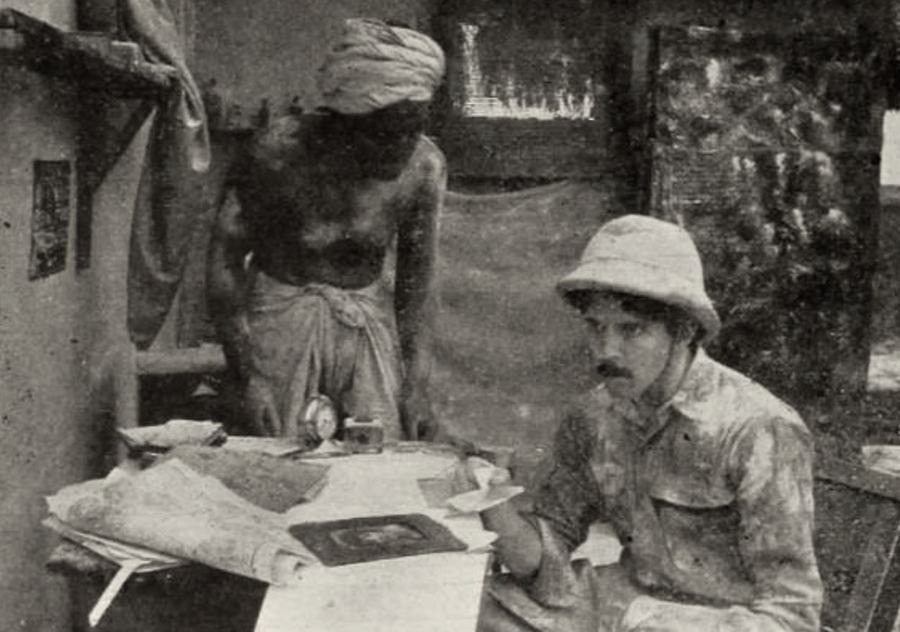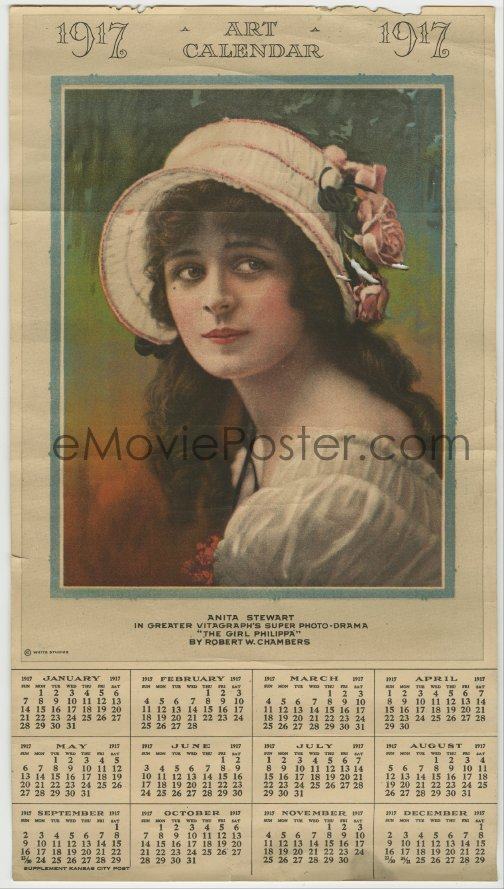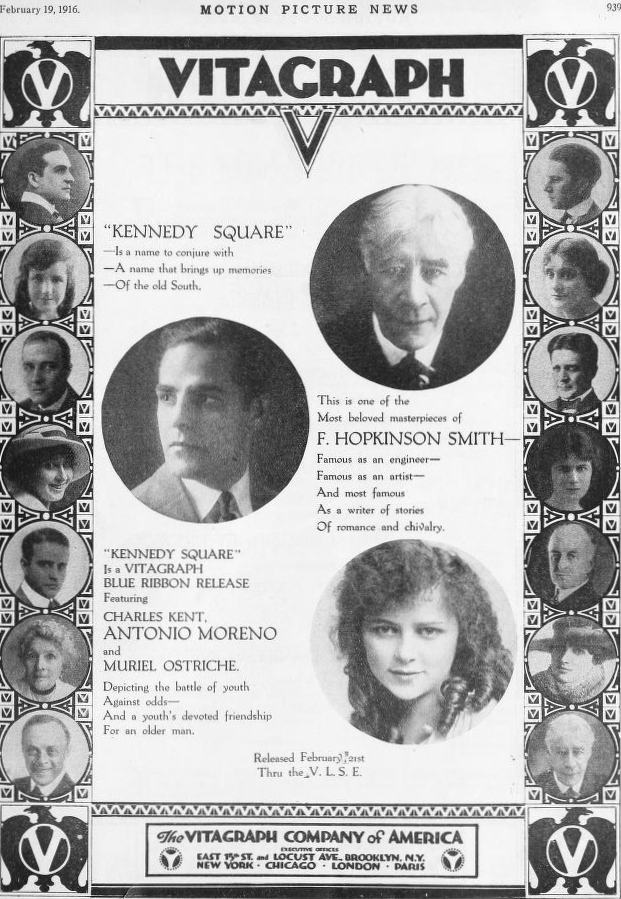
At a dance on his parents' plantation in the early nineteenth century, Harry Rutter wins a duel with Langdon Willetts, but loses his fiancée, Kate Seymour, who disapproves of fighting. Harry also is thrown out of the house by his father for violating every rule of Southern hospitality.
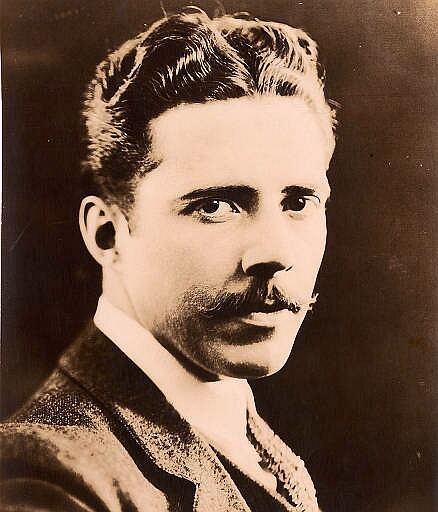
F. Hopkinson Smith
United States
Imagine, if you can stand the heartache, the irrecoverable South of 1826: gasoliers flicker above quadrilles, champagne fizzles against cut-crystal, and every whisper seems perfumed by night-blooming jasmine. Into this fragile ornament steps Harry Rutter—equal parts Romantic dreamer and self-saboteur—played by Herbert...
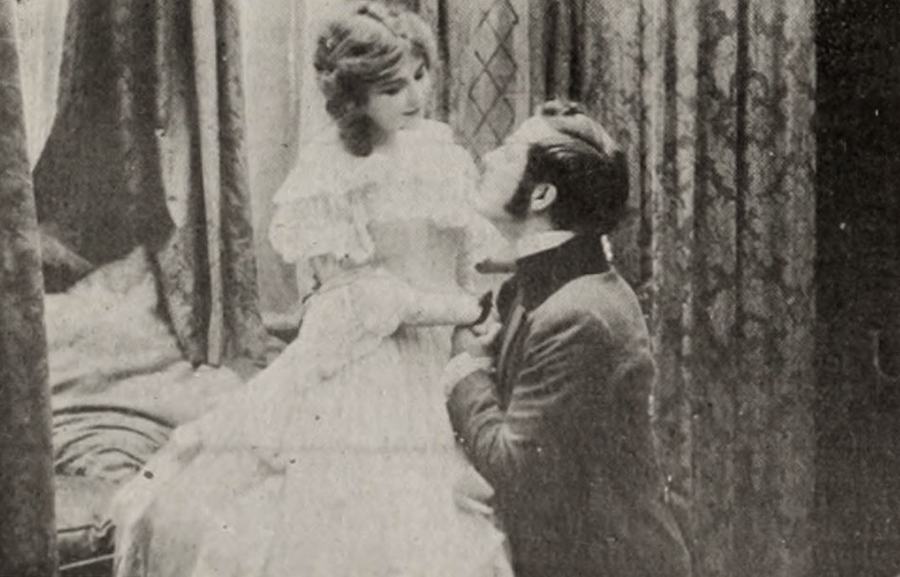
still_frame
Comparing the cinematic DNA and archive impact of two defining moments in cult history.
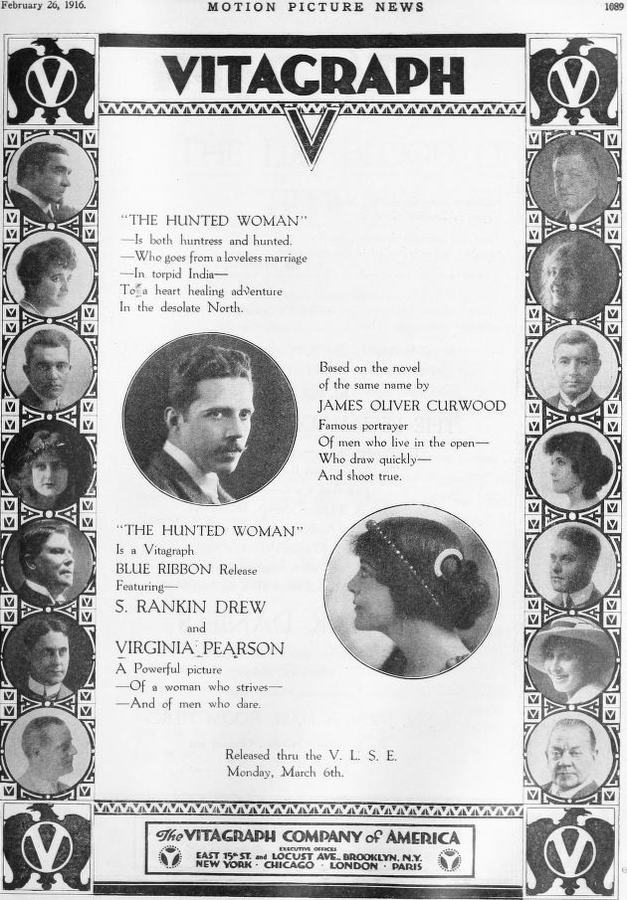
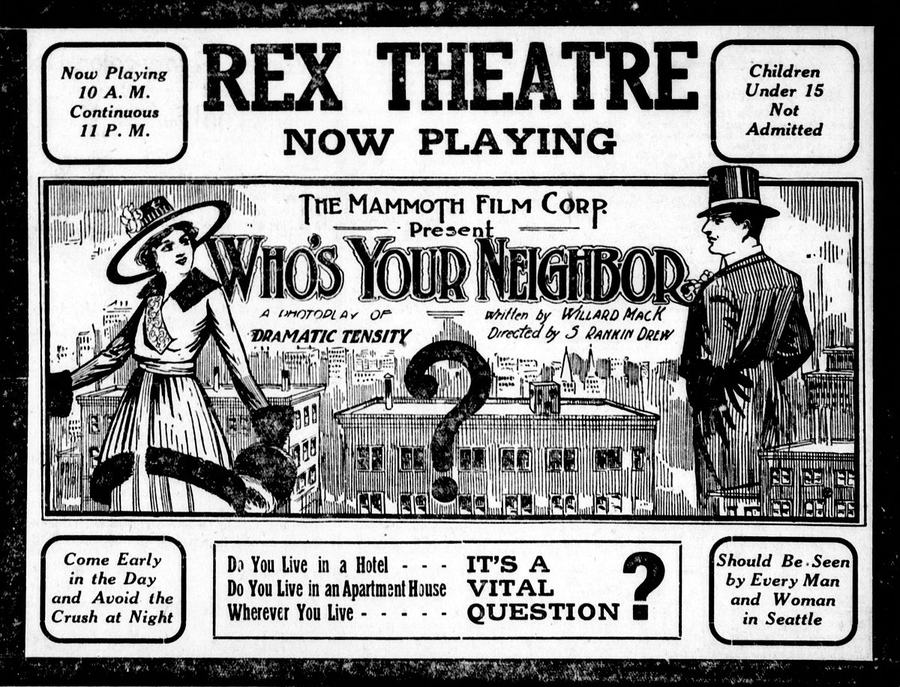
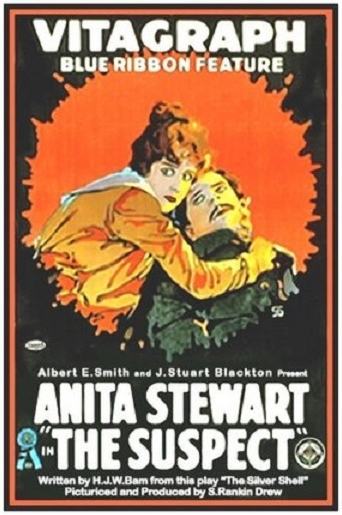
S. Rankin Drew
S. Rankin Drew
Community
Log in to comment.
" Imagine, if you can stand the heartache, the irrecoverable South of 1826: gasoliers flicker above quadrilles, champagne fizzles against cut-crystal, and every whisper seems perfumed by night-blooming jasmine. Into this fragile ornament steps Harry Rutter—equal parts Romantic dreamer and self-saboteur—played by Herbert Barry with a combustible blend of swagger and vulnerability. One duel, one pistol crack, and the chandeliered world tilts off its axis. The film never shows us the bullet’s entry;..."
Deep dive into the cult classic
Discover similar cinematic experiences
A Directorial Spotlight on S. Rankin Drew