
Film History
The Sawdust Sanctuary: How Early Circus Cinema Scripted the DNA of the Midnight Outcast
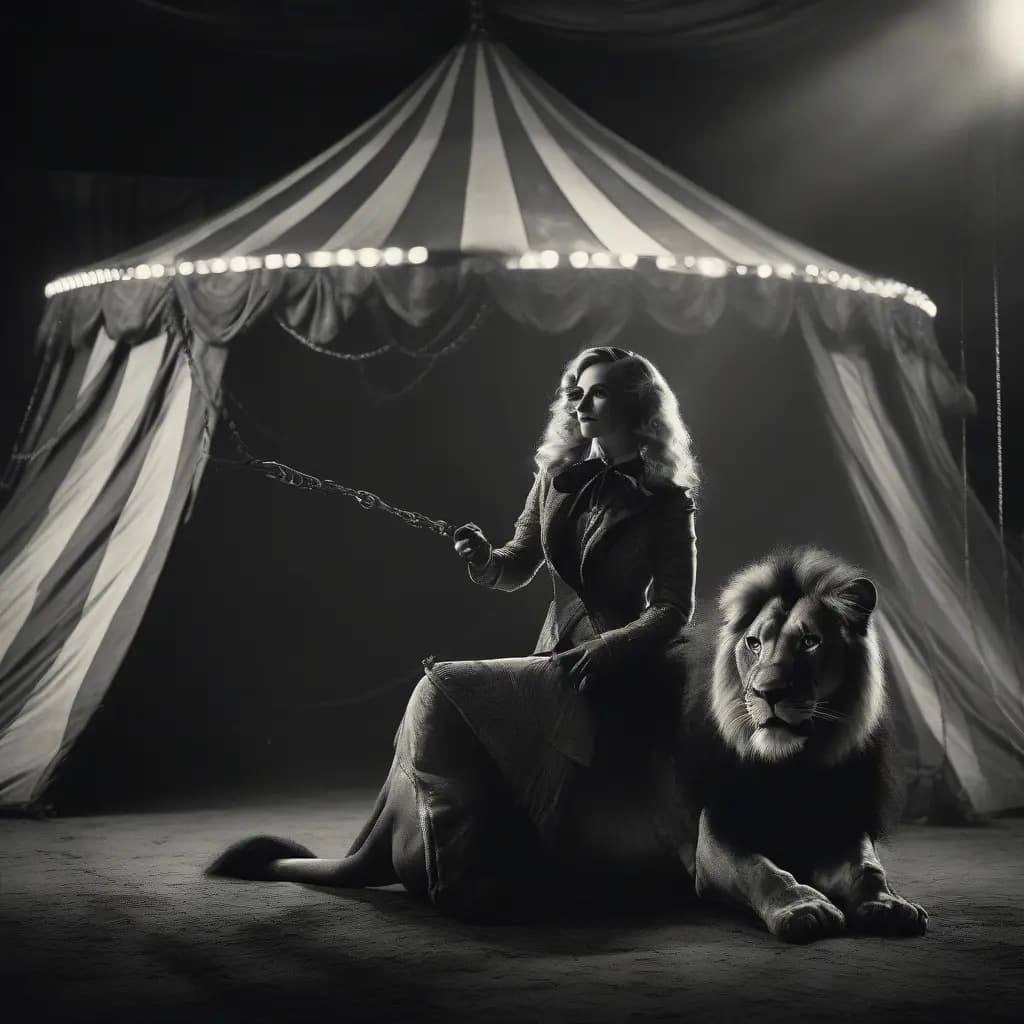
“Long before the midnight movie, the traveling circus provided cinema with its first blueprint for the transgressive, the marginalized, and the beautifully bizarre.”
To understand the modern obsession with the 'strange,' one must look past the neon-drenched 1980s and the grit of the 1970s grindhouse. Long before the midnight movie became a ritual of the urban elite, there was the smell of sawdust, the flicker of a hand-cranked projector in a canvas tent, and the collective gasp of an audience seeing the 'Other' for the first time. The traveling circus of the 1910s wasn't just entertainment; it was the primordial soup of cult cinema. It offered a space where the rigid moralities of the Victorian era were suspended, replaced by a geography of the marvelous and the grotesque. This was the first time the cinematic frame was used to celebrate the misfit, creating a template for devotional fandom that persists in every screening of a Lynchian nightmare or a Cronenbergian body-horror today.
The Big Top as the Original Fringe
In the early 20th century, the circus represented the only socially acceptable way to witness the transgressive. It was a liminal space where the laws of gravity, biology, and social hierarchy seemed to bend. When cinema began to document this world, it didn't just record stunts; it captured a feeling of radical exclusion and inclusion. This duality—being an outcast from society but a member of a secret, elite family—is the very heartbeat of the cult mindset. Films like The Adventures of Peg o' the Ring (1916) didn't just offer serialized thrills; they offered a mythology of the fringe. Peg, born into the circus, wasn't a victim of her circumstances but a hero of a secret world, a motif that would later define the anti-heroes of the underground.

This era of filmmaking understood that the audience didn't just want to see the show; they wanted to be part of the 'coterie.' The circus was a mobile sanctuary for those who didn't fit into the burgeoning industrial landscape. While the 'social hygiene' films of the time, such as Es werde Licht! 3. Teil, were busy moralizing about the dangers of the body and disease, the circus films were busy celebrating the body's impossible capabilities. This tension between the repressive mainstream and the expressive fringe is where the cult spark first ignited.
Polly and the Preacher: The Original Culture War
One of the most foundational texts in this lineage is Polly of the Circus (1917). The narrative arc—a circus aerialist injured and taken in by a minister—is a perfect microcosm of the cult versus the establishment. Polly represents the 'profane' world of performance, glitter, and physical risk, while the minister represents the 'sacred' world of the church and social order. Their eventual union isn't just a romance; it’s a radical statement that the fringe can, and should, infect the center.
The circus film was the first to suggest that the 'freak' was more human than the 'normal' citizen, a sentiment that would eventually culminate in Tod Browning’s 1932 magnum opus.
The controversy depicted in the film—the minister losing his parish because he married a circus girl—mirrors the real-world friction that cult cinema always generates. Cult films are, by definition, those that the 'parish' rejects but the 'devout' cherish. Polly’s presence in the minister’s house is a foreign element, much like a transgressive film in a mainstream multiplex. It disrupts the peace because it speaks a language of visceral experience that the establishment cannot translate.
The Lion Tamer’s Gaze: Gender and Power
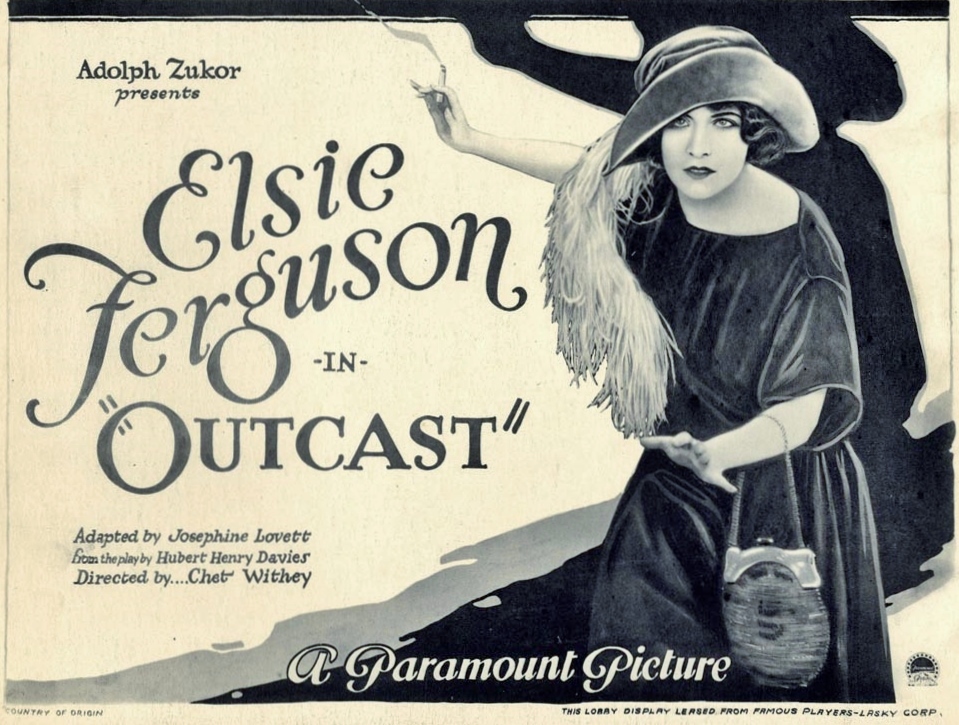
While many films of the 1910s were obsessed with the 'fallen woman' or the domestic victim, circus cinema offered a different archetype: the woman in control of the beast. The Biggest Show on Earth (1918) features Roxie Kemp, a lion tamer who is sent to an upper-crust boarding school. The friction here isn't just about class; it’s about the raw, performative power Roxie possesses compared to the stifled, 'civilized' girls of the academy. This is a precursor to the 'rebel girl' trope that would haunt the cult landscape for decades.
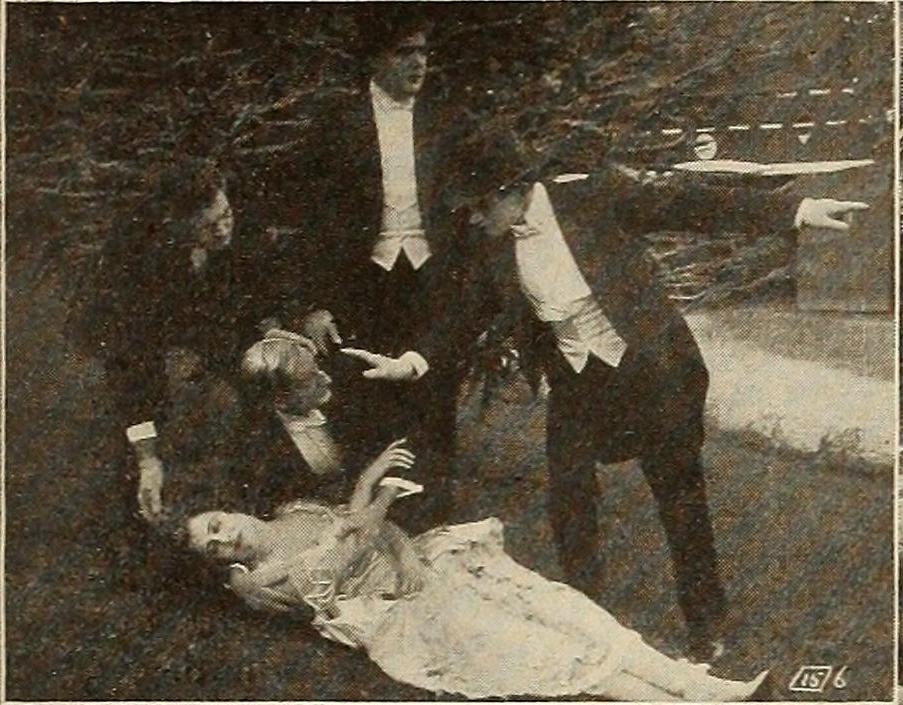
In these films, the circus is a meritocracy of the strange. It doesn't matter if you are a 'daughter of France' or a Cockney girl like in The Heart of a Child; if you can tame the lion or walk the wire, you are royalty. This subversion of traditional power structures is why these films resonated then and why they feel so modern now. They prioritize the 'act' over the 'ancestry.' When Roxie Kemp enters the boarding school, she brings the wildness of the cage with her, refusing to be tamed by the social graces of the elite. This refusal to conform is the primary directive of any cult protagonist.
The Stunt as a Form of Devotion
Cult cinema is often defined by its 'excess'—excessive violence, excessive style, or excessive performance. In the 1910s, this excess was found in the stunt. The serialized nature of films like The Adventures of Peg o' the Ring relied on the audience’s physical reaction to peril. This wasn't intellectual cinema; it was cinema of the nerves. The 'Leopard’s Mark' and other episodes were designed to elicit a scream, a gasp, a visceral connection that transcended the screen.
This focus on the 'realness' of the peril—actual lions, actual heights, actual fire—created a unique bond between the performer and the spectator. It’s the same bond that fans of 1970s Italian horror feel when they see a practical effect that looks too real to be fake. There is a respect for the risk. When we watch early circus films, we aren't just watching a story; we are witnessing a sacrifice of safety for the sake of the spectacle. This is the root of the 'obsessive' fan who tracks down every frame of a lost film or memorizes every beat of a transgressive scene.
The Hypnotic and the Macabre
Beyond the physical stunts, the circus films of the silent era frequently dipped into the supernatural and the psychological. The Stolen Voice (1915), while not strictly a circus film, shares the era's fascination with the 'stage' as a place of psychic danger. The use of hypnotism to render a singer mute is a proto-horror trope that fits perfectly within the side-show aesthetic. The idea that the very thing that makes you special—your voice, your talent—can be stolen by a jealous rival is a theme that recurs in cult narratives of identity theft and psychic vampirism.
- The circus provided a safe container for exploring the 'uncanny.'
- It allowed for the depiction of 'freaks' as tragic, noble, or terrifying figures.
- It established the 'traveling' trope—the idea that the strange can arrive in your town at any moment.
- It pioneered the use of animals as both symbols of nature and tools of human cruelty.
The Shadow of the Side-Show
We cannot talk about the circus without talking about the side-show—the darker, more controversial sibling of the big top. While the main ring offered grace and skill, the side-show offered the 'forbidden.' This is where the true DNA of the exploitation film lies. The side-show was a place of voyeurism, where the audience paid to see what was 'unnatural.' Early cinema's fascination with these subjects was often cloaked in a 'educational' or 'moral' excuse, much like the 'social hygiene' films like Es werde Licht!.
However, the cult viewer sees through the moralizing. We don't watch The Lair of the Wolf to learn a lesson about abusive men; we watch it for the tension, the atmosphere, and the depiction of a world where the 'wolf' is always at the door. The circus film allowed the audience to indulge in their curiosity about the 'Other' while maintaining a distance. But for the cult devotee, that distance eventually vanishes. We stop being the audience and start being the performers. We adopt the aesthetics, the language, and the rebellious spirit of the fringe.
The Sawdust Legacy
The final flicker of the 1910s circus era didn't fade; it just transformed. The archetypes established in Polly of the Circus and The Adventures of Peg o' the Ring moved from the canvas tent to the midnight theater. The 'outcast' became the 'punk,' the 'lion tamer' became the 'femme fatale,' and the 'stunt' became the 'special effect.' But the core remains the same: a celebration of the fringe, a suspicion of the center, and a devotion to the beautiful, the bizarre, and the brave.
When we watch a cult film today, we are still sitting in that primordial tent. We are still the people who prefer the company of the ' Huntress of Men' or the 'Fighting Stranger' over the respectable citizens of the town. We are looking for that sanctuary where our own strangeness is not just accepted, but celebrated as the main attraction. The sawdust may be gone, replaced by the digital hum of the projector, but the spirit of the circus—the original sanctuary of the outcast—lives on in every frame of cinema that dares to be different.
Community
Comments
Log in to comment.
Loading comments…