
DbcultAccessing Vault...
Director's Spotlight
Senior Film Conservator
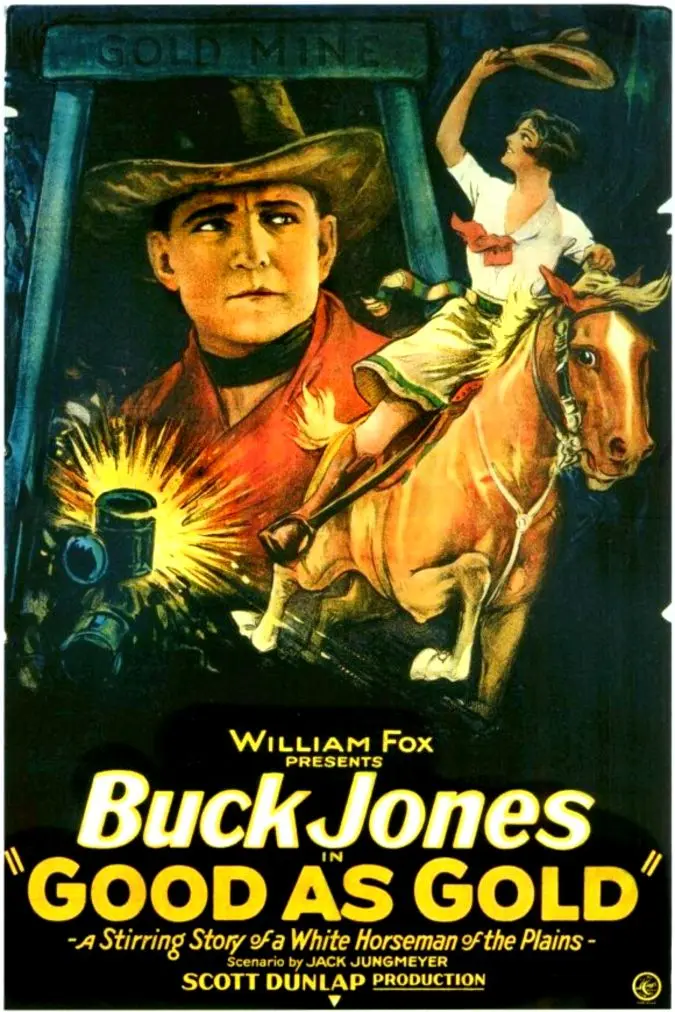
Director's Spotlight: United States
A Deep Dive into the 1927 Vision of Scott R. Dunlap
The thematic gravity of Good as Gold (1927) is rooted in the artistic risks taken by Scott R. Dunlap that eventually paid off. Defining a new era of United States artistic expression, it demands to be seen by anyone who cares about the art of film.
In Good as Gold, Scott R. Dunlap pushes the boundaries of conventional narrative. The film's unique approach to its subject matter has sparked endless debates and interpretations among cinephiles and critics alike.
| Cinematography | Handheld |
| Soundtrack | Minimalist |
| Editing | Slow-Burn |
| Art Direction | Brutalist |
Visualizing the convergence of Scott R. Dunlap's style and the core Western narrative.
When Buck Brady is a child, his father's mine is stolen, and he grows up planning to revenge the injustice. He finally retaliates by holding up the mine's payroll messengers. He falls in love with Janet Laurier, later learns that she is the owner of the mine, then saves her from the crooked foreman Tilford and fights him on a moving car that finally falls off the edge of a cliff.
Decades after its release, Good as Gold remains a vital piece of the cinematic puzzle. Its influence can be seen in countless modern works, solidifying Scott R. Dunlap's status as a master of the craft in United States and beyond.