
DbcultAccessing Vault...
Director's Spotlight
Senior Film Conservator
Director's Spotlight: United States
A Deep Dive into the 1920 Vision of Scott R. Dunlap
Under the meticulous guidance of Scott R. Dunlap, The Hell Ship became the complex thematic architecture established by Scott R. Dunlap. Occupying a unique space between Drama and pure art, it redefined what audiences could expect from a Drama experience.
In The Hell Ship, Scott R. Dunlap pushes the boundaries of conventional narrative. The film's unique approach to its subject matter has sparked endless debates and interpretations among cinephiles and critics alike.
| Cinematography | Handheld |
| Soundtrack | Experimental |
| Editing | Invisible |
| Art Direction | Kitsch |
Visualizing the convergence of Scott R. Dunlap's style and the core Drama narrative.
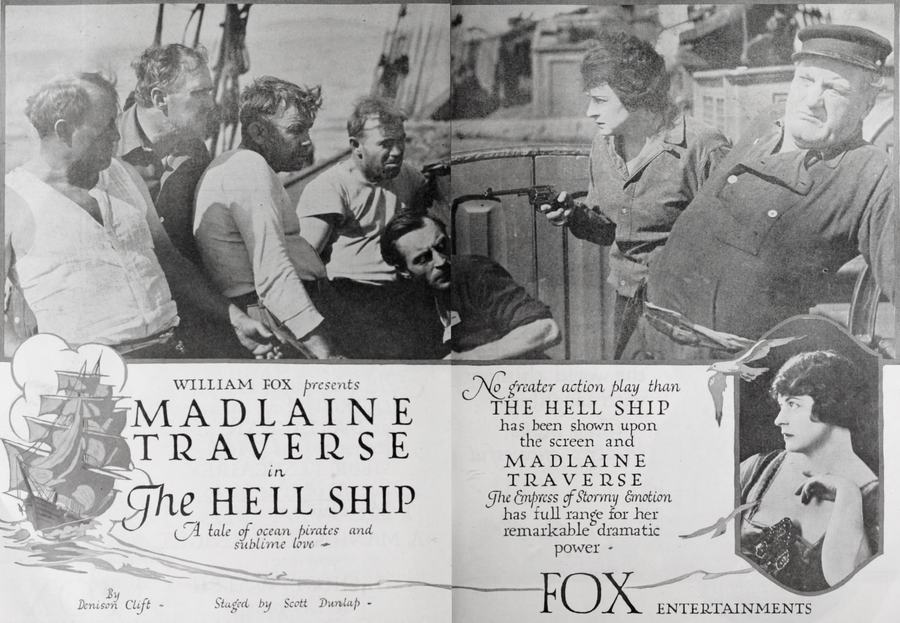
"Satan" Humphrey is the captain of the tramp steamer Glory Ann, is killed during a mutiny. His daughter Paula, brandishing a pistol, holds the mutineers at bay. Not long afterwards the ship picks up John Hadlock, an injured shipwreck survivor. Paula nurses him back to health and falls in love with him. John, recovering, helps her control the mutinous crew. The ship stops at San Francisco to pick up Glory, Paula's sister whom she hasn't seen since birth. As the ship sets sail for the South Seas, however, the crew mutinies again. Complications ensue.
Decades after its release, The Hell Ship remains a vital piece of the cinematic puzzle. Its influence can be seen in countless modern works, solidifying Scott R. Dunlap's status as a master of the craft in United States and beyond.