
DbcultAccessing Vault...
Director's Spotlight
Senior Film Conservator
Director's Spotlight: Turkey
A Deep Dive into the 1917 Vision of Sedat Simavi
Analyzing Casus (1917) requires a deep dive into the unique directorial voice that Sedat Simavi brought to the screen. By challenging the status quo of 1917 cinema, it continues to spark endless debates among critics and cinephiles alike.
In Casus, Sedat Simavi pushes the boundaries of conventional narrative. The film's unique approach to its subject matter has sparked endless debates and interpretations among cinephiles and critics alike.
The visual language of Casus is defined by its use of shadows and framing, a hallmark of Sedat Simavi's style. By utilizing a 1917-era palette, the film creates an immersive experience that perfectly complements its cult themes.
| Cinematography | Handheld |
| Soundtrack | Orchestral |
| Editing | Slow-Burn |
| Art Direction | Brutalist |
Visualizing the convergence of Sedat Simavi's style and the core cult narrative.
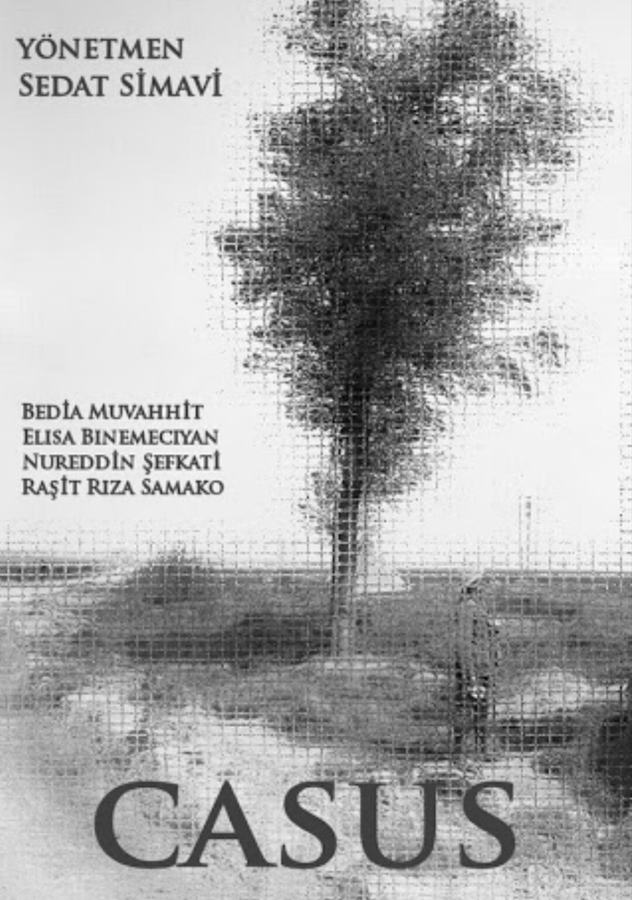
Considered as the one of the first feature-length Turkish movies produced during the reign of the Ottoman Empire, Casus is about a spying adventure which took place in the First World War. The copy of the movie did not survive to the present day.
Decades after its release, Casus remains a vital piece of the cinematic puzzle. Its influence can be seen in countless modern works, solidifying Sedat Simavi's status as a master of the craft in Turkey and beyond.