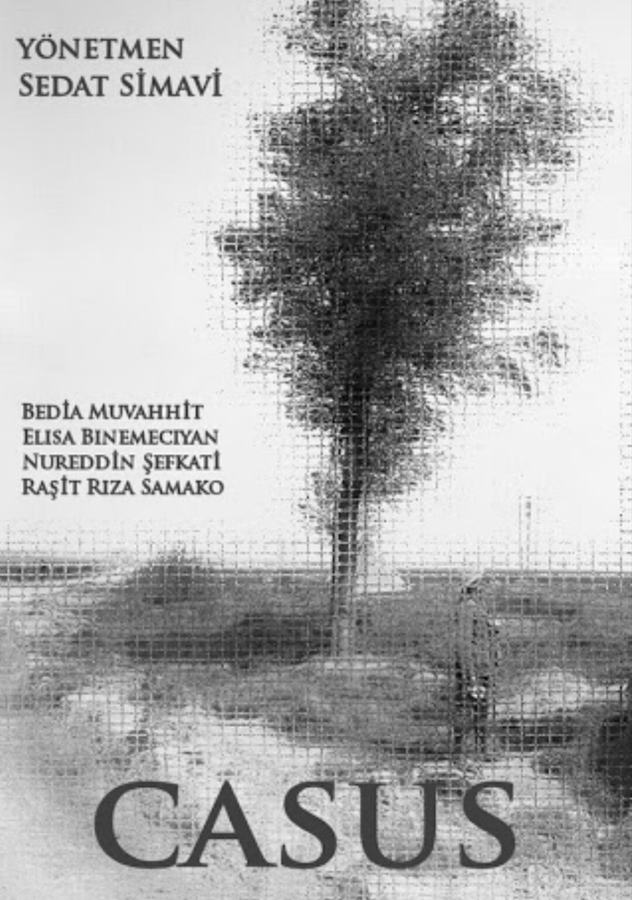
Considered as the one of the first feature-length Turkish movies produced during the reign of the Ottoman Empire, Casus is about a spying adventure which took place in the First World War. The copy of the movie did not survive to the present day.

Sedat Simavi
Turkey
Imagine a moonless Bosporus night in 1916: searchlights slice cobalt across coal-black water, a German U-boat glides like a mechanical leviathan, and somewhere inside a wooden yalı on the Asian shore a cinematograph crackles to life. That ghostly whir—half sewing-machine, half proto-projector—announces the birth of Tu...


Comparing the cinematic DNA and archive impact of two defining moments in cult history.
Sedat Simavi
Sedat Simavi
Community
Log in to comment.
" Imagine a moonless Bosporus night in 1916: searchlights slice cobalt across coal-black water, a German U-boat glides like a mechanical leviathan, and somewhere inside a wooden yalı on the Asian shore a cinematograph crackles to life. That ghostly whir—half sewing-machine, half proto-projector—announces the birth of Turkish celluloid ambition: Casus, a spy saga now existing only in the limbo of cinephile obsession. No archive holds a frame; nitrate ghosts surrendered to humidity, war, and the im..."
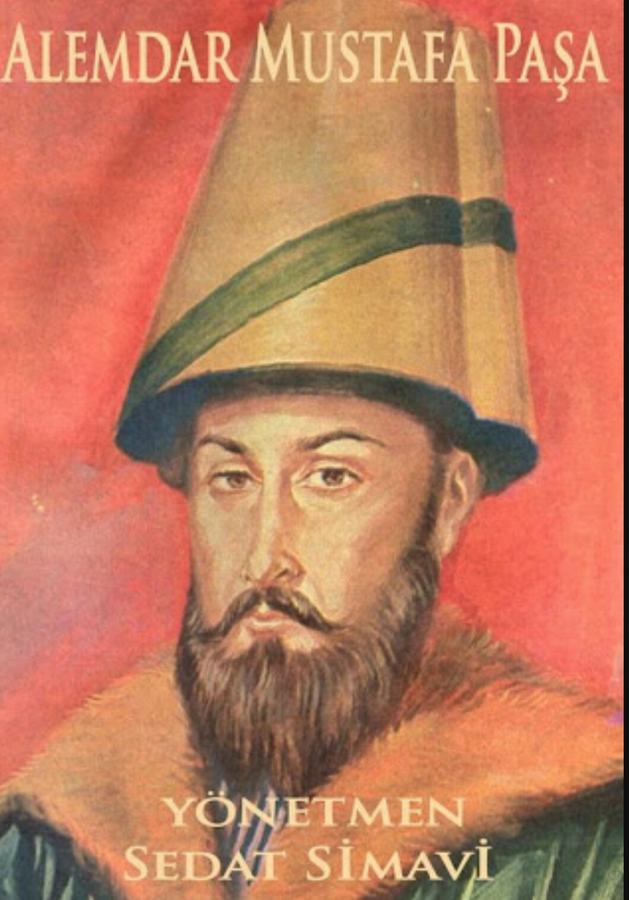
1918 · IMDb 5.8
Sedat Simavi