
DbcultAccessing Vault...
Director's Spotlight
Senior Film Conservator
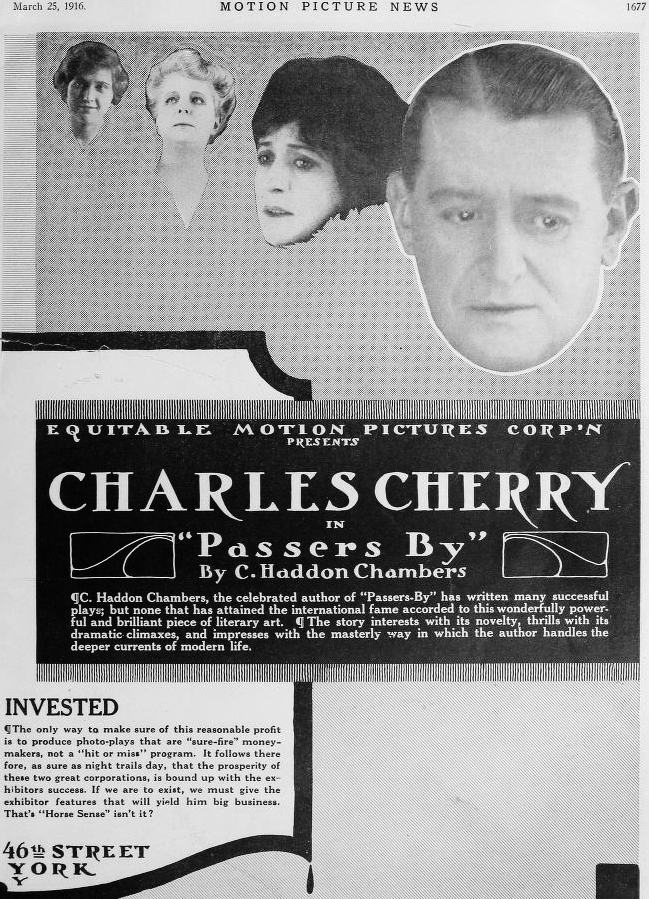
Director's Spotlight: United States
A Deep Dive into the 1916 Vision of Stanner E.V. Taylor
The artistic breakthrough represented by Passers By in 1916 highlights the uncompromising vision of Stanner E.V. Taylor that defines this cult masterpiece. In the context of United States's rich cinematic history, it captures a specific kind of cinematic magic that is rarely replicated.
In Passers By, Stanner E.V. Taylor pushes the boundaries of conventional narrative. The film's unique approach to its subject matter has sparked endless debates and interpretations among cinephiles and critics alike.
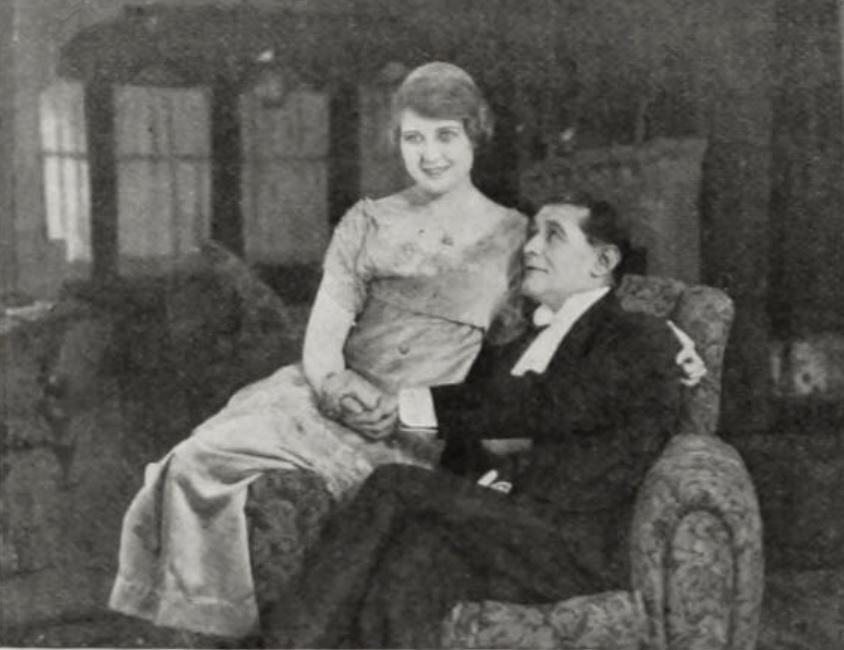
To fully appreciate Passers By, one must consider the cinematic climate of 1916. During this period, United States was undergoing significant artistic shifts, and Stanner E.V. Taylor was at the forefront of this cult movement, often challenging established norms.
| Cinematography | Static |
| Soundtrack | Synth-Heavy |
| Editing | Disjunctive |
| Art Direction | Baroque |
Visualizing the convergence of Stanner E.V. Taylor's style and the core cult narrative.
Young Englishman Peter Waverton loves his fiancee Beatrice Dainton, but can't get Margaret Summers, with whom he had an affair eight years before, out of his mind. Peter's sister Lady Hurley broke up the Peter/Margaret affair by convincing Margaret, her maid, that Peter, who had traveled to the Continent on business, had actually abandoned her. However, Peter is shocked when Margaret accidentally runs into him in London shortly before his wedding is to take place. He's even more shocked when he sees who is accompanying her.
Decades after its release, Passers By remains a vital piece of the cinematic puzzle. Its influence can be seen in countless modern works, solidifying Stanner E.V. Taylor's status as a master of the craft in United States and beyond.