Summary
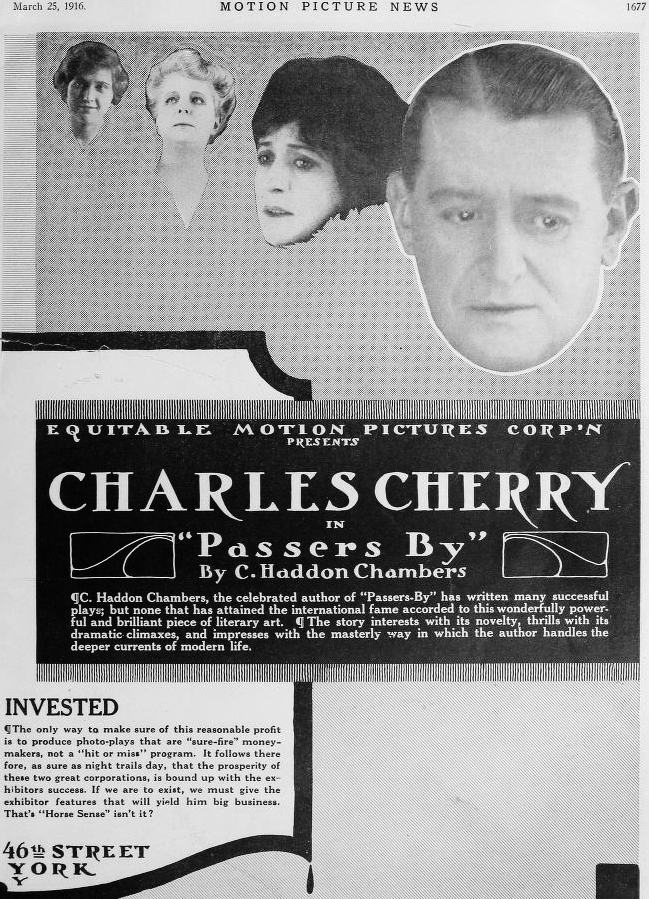
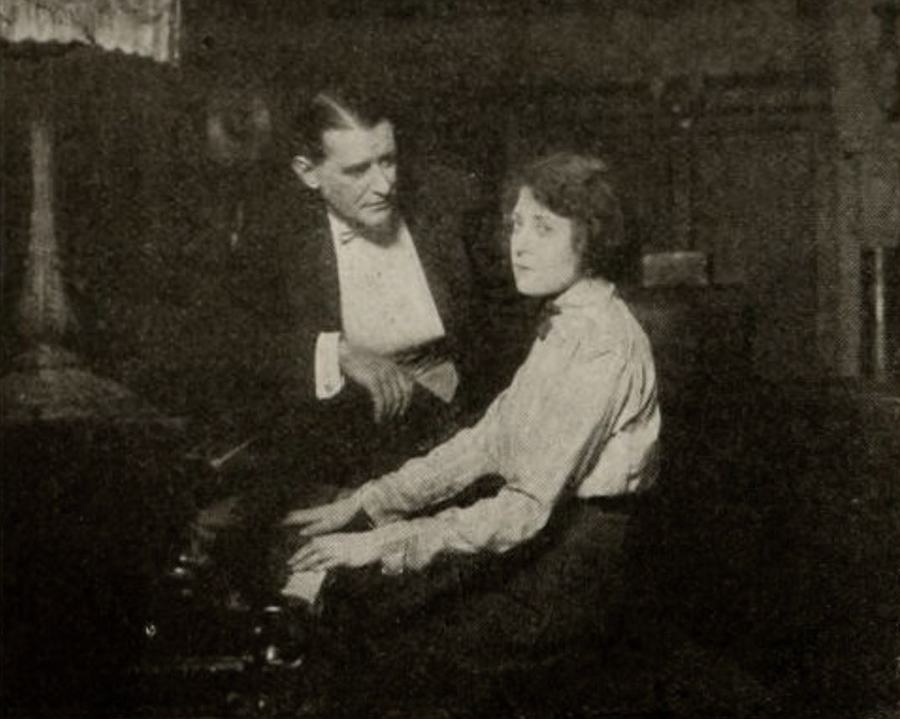
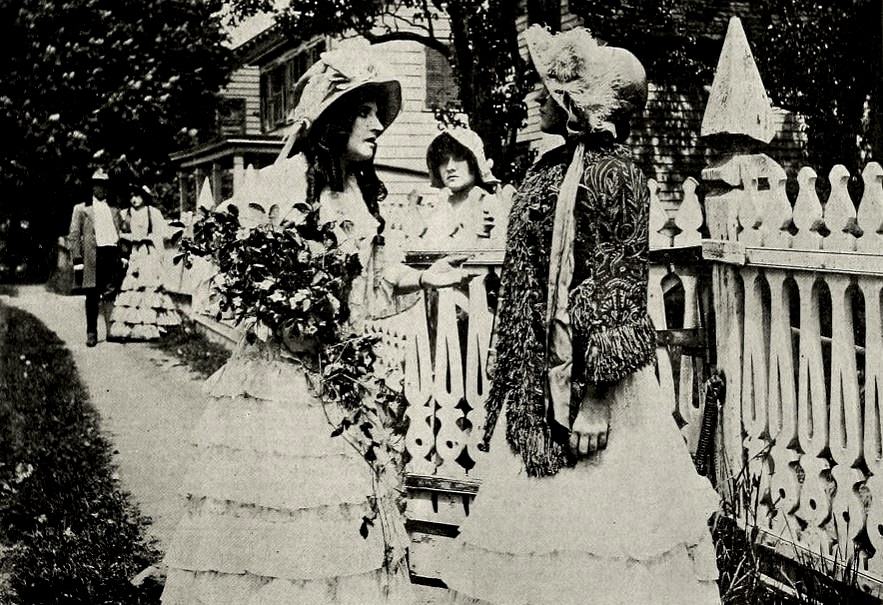
London’s gaslit twilight becomes a moral maze when Peter Waverton—aristocratic jaw clenched beneath a bowler that cost more than a scullery girl’s yearly wage—steps out of his hansom and straight into the ghost of a desire he thought he’d drowned on the Rhine eight years prior. Margaret Summers, once the trembling lady’s-maid to his sister Lady Hurley, now glides along Regent Street in a dove-grey tailleur, a small gloved hand anchored to the arm of a child whose eyes are a carbon copy of Peter’s own cobalt guilt. In that instant the forthcoming wedding to porcelain-heiress Beatrice Dainton—arranged more for the merger of two family trusts than for pulse-quickening affection—cracks like over-fired porcelain. Chambers and Taylor lace the melodrama with astringent irony: every ‘chance’ encounter is engineered by class choreography; every whispered letter is a time-bomb wrapped in parchment; every silk-gloved handshake conceals a shove toward social doom. The film’s true protagonist is memory itself, stalking the protagonists through fog-soaked parks, echoing railway arches, and drawing-rooms so cavernous that a confession can vanish into the Aubusson weave before it reaches the intended ear. When Lady Hurley’s original sin—her calculated lie to Margaret that Peter had ‘left for the Continent never to return’—blooms back into daylight, the narrative pivots from sentimental education to surgical dissection of Edwardian entitlement. Beatrice, initially sketched as another porcelain doll, reveals hairline fissures of agency; her final gesture—placing the betrothal ring on the child’s palm rather than Peter’s—turns the film’s social order on its ear without a single anarchist bomb or courtroom speech. Passers By does not merely ask whom we marry; it interrogates which version of ourselves we elect to live with once the street-lamps hiss on and the rest of the city hurries past, indifferent.
Synopsis
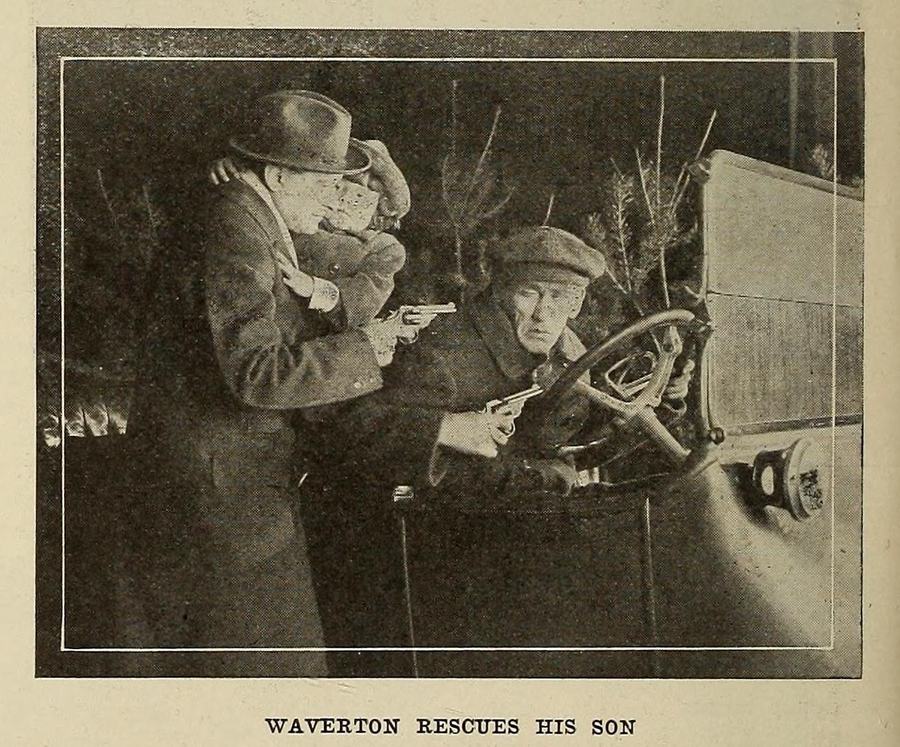
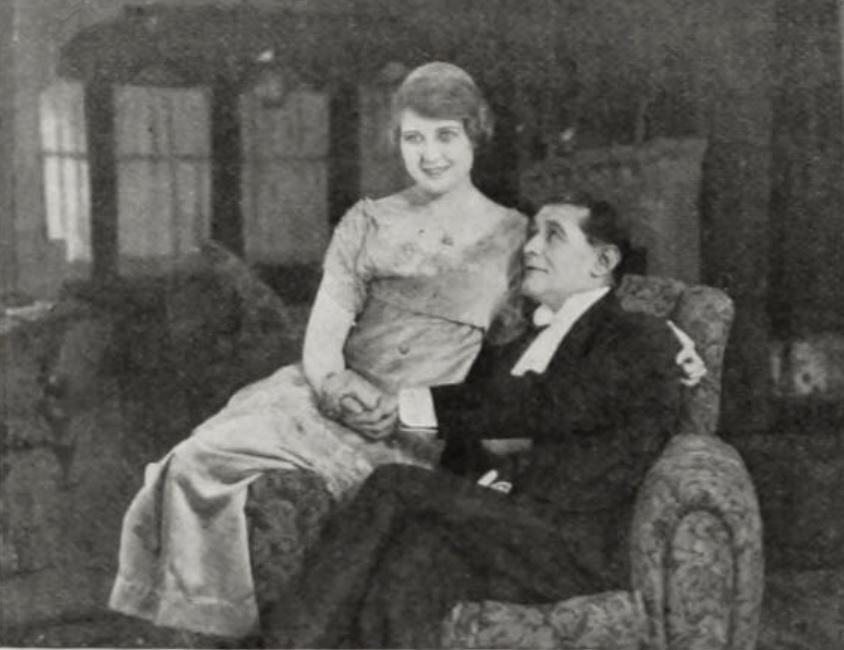
Young Englishman Peter Waverton loves his fiancee Beatrice Dainton, but can't get Margaret Summers, with whom he had an affair eight years before, out of his mind. Peter's sister Lady Hurley broke up the Peter/Margaret affair by convincing Margaret, her maid, that Peter, who had traveled to the Continent on business, had actually abandoned her. However, Peter is shocked when Margaret accidentally runs into him in London shortly before his wedding is to take place. He's even more shocked when he sees who is accompanying her.
Review Excerpt
"
Imagine a London where the fog itself keeps receipts. Every hansom wheel clop, every silk skirt hiss across mahogany is logged in some karmic ledger that will, sooner or later, demand settlement. Passers By—released in the blood-rinsed spring of 1916 while Europe re-enacted its own apocalypse—understands that the most savage battlefield is often a drawing-room where nobody raises their voice.
The Plot as Palimpsest
On the surface we inherit the oldest of triangles: Peter—Charles Cherry in a ..."