
Cult Cinema
The Cult of the Unseen: Unearthing Cinema's Most Obsessive Fandoms
“Delve into the enigmatic world of cult cinema, exploring how unconventional narratives and transgressive visions forge passionate communities and enduring cinematic legacies. This article unmasks the irresistible magnetism of films that defy mainstream appeal, becoming beloved for their unique spiri…”
In the sprawling tapestry of cinematic history, certain films defy easy categorization. They eschew the fleeting glare of mainstream success, opting instead for a slow burn, a gradual infiltration into the collective consciousness, culminating in an unwavering, often fervent, devotion. This is the realm of cult cinema – a fascinating, amorphous genre defined not by its production budget or critical acclaim, but by the intensity of its audience's obsession. It's a world where the obscure becomes iconic, the bizarre becomes beautiful, and the forgotten finds a permanent home in the hearts of its chosen few.

What precisely imbues a film with this cult status? It’s a complex alchemy, often involving a potent cocktail of factors: transgressive themes, unconventional narratives, peculiar aesthetics, and a rebellious spirit that challenges the cinematic status quo. These films don't merely entertain; they provoke, mystify, and ultimately, create a sense of belonging among those who 'get it.' They are the cinematic equivalent of a secret handshake, a shared understanding among a tribe of discerning viewers.

The Genesis of the Unconventional: Seeds of Subversion in Early Cinema
While the term 'cult film' gained prominence in the mid-20th century, particularly with the rise of midnight movie screenings, the spirit of cinematic deviance has roots stretching back to the very dawn of the medium. Even in the nascent years of filmmaking, amidst the nickelodeons and grand picture palaces, there were productions that dared to be different, films that, for one reason or another, stood apart from the popular fare. These early works, though perhaps not explicitly 'cult' in their contemporary reception, carried the genetic markers of what would later define the genre.

Consider the melodramas and morality plays of the early 20th century. Films exploring themes of betrayal, forbidden love, and social hypocrisy – narratives often deemed too shocking or complex for wider audiences. Imagine the hushed gasps and illicit thrills generated by a silent drama depicting a woman's struggle with addiction, or a tale of a vengeful aristocrat driven to madness by jealousy. These were not always box office titans, but their challenging subject matter and intense emotionality could have resonated deeply with specific segments of the audience, creating a proto-fandom long before the era of fan conventions.

There were also the early genre experiments. Westerns that twisted traditional tropes, comedies that pushed the boundaries of slapstick into surrealism, or adventure serials that blended elements of crime and fantasy into a captivating, extended narrative. A film about a secret criminal society, for instance, with its shadowy figures and intricate plots, might have captivated a dedicated following, eager for each new installment. Similarly, a comedy where characters deliberately recreate a 'wild west' scenario for a rich newcomer, hinting at a meta-commentary on performance and authenticity, could have been seen as utterly unique and perhaps baffling to some, but utterly brilliant to others. These were the cinematic outliers, the films that perhaps didn't fit neatly into the burgeoning studio system's marketing strategies, but nevertheless found their niche.

Beyond the Marquee: Themes of Transgression and Rebellion
At the heart of many cult films lies a fundamental transgression. They defy conventional storytelling, challenge societal norms, or delve into subjects considered taboo. This willingness to push boundaries is often what alienates mainstream audiences initially, only to attract a devoted following later. Whether it's the exploration of moral ambiguity, psychological torment, or overt sexuality, cult films rarely shy away from discomfort.

Early cinema, despite its often puritanical era, was not immune to these transgressive impulses. Melodramas often tackled illicit relationships, social injustices, and personal failings with a raw emotionality that could be startling. A film exploring the devastating consequences of a secret marriage, or a story centered on a woman navigating the brutal realities of a lumber camp, pushed the envelope of what was acceptable on screen. These narratives, while perhaps presented with a moralizing tone for public consumption, still exposed audiences to themes of human fallibility and societal pressures that resonated deeply and perhaps uncomfortably.

The aesthetic choices too, often contribute to this sense of rebellion. Early thrillers, for example, might employ stark chiaroscuro lighting, unsettling camera angles, or unconventional editing to evoke a sense of unease. Such techniques, departing from the more straightforward visual language of mainstream productions, could create a unique and memorable experience for viewers seeking something beyond the ordinary. This visual distinctiveness, coupled with narratives that refused to conform, laid crucial groundwork for future generations of cult filmmakers.

The Aesthetic of the Anomalous: Crafting a Unique Cinematic Language
Cult films often possess a distinctive visual and narrative language that sets them apart. This isn't just about controversial content, but about the very fabric of their construction. From expressionistic lighting to non-linear storytelling, the aesthetic choices in cult cinema are frequently as bold as their themes. They might feel rough around the edges, DIY, or deliberately avant-garde, but it's precisely these quirks that become part of their charm.
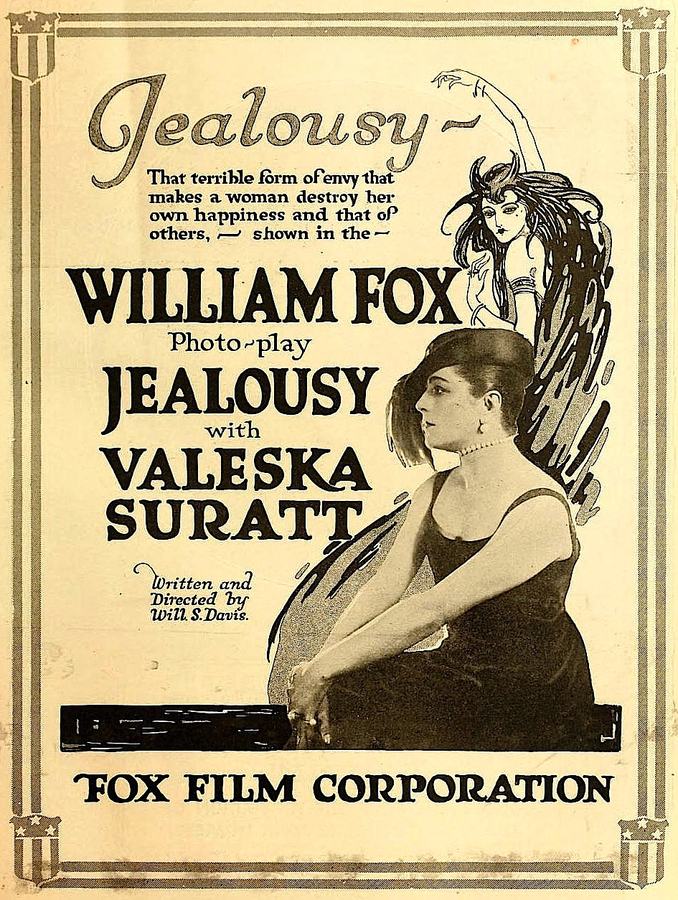
In the silent era, filmmakers were constantly experimenting with the nascent medium. Visual storytelling was paramount, and directors often pushed the boundaries of camera work, set design, and performance to convey complex emotions and narratives without dialogue. Imagine the impact of a film where a framed man assumes a disguise to save his son, using theatricality and suspense to build tension. Or a serialized adventure featuring a mysterious voice on the wire, weaving intricate plots over multiple episodes. These early attempts at crafting immersive, unique experiences, sometimes clumsy, sometimes brilliant, contributed to a lexicon of cinematic expression that would later be embraced by cult creators.
Consider the atmospheric power of early European mysteries, or the dramatic sweep of American westerns that played with audience expectations. These films, often relying on exaggerated gestures and dramatic lighting, created a heightened sense of reality that could be both captivating and unsettling. This deliberate construction of a unique world, whether through the depiction of a small town recreating its wild past or a grand adventure across an unforgiving landscape, fostered an appreciation for the unconventional that is a hallmark of cult fandom. The very act of watching such a film became an immersive, almost ritualistic experience.
The Midnight Revival: Fandom, Re-discovery, and Collective Obsession
Perhaps the most defining characteristic of a cult film is its relationship with its audience. Unlike blockbusters, which aim for immediate, universal appeal, cult films often find their true voice over time, through the dedicated efforts of a passionate few. These are the films that are discovered, championed, and re-contextualized by viewers who see something profound that the initial critics or general public might have missed.
The concept of 'midnight movies' perfectly encapsulates this phenomenon. Films like those found in the historical archives – perhaps a forgotten drama about a woman faith healer, or a convoluted tale of inheritance and family secrets – might have initially faded into obscurity. However, for a select audience, their unique qualities, their underlying weirdness, or their sheer audacity made them ripe for rediscovery. These films offered an alternative to the polished, predictable mainstream, providing a space for viewers to engage with cinema on a deeper, more personal level.
This re-discovery process is often driven by a sense of shared experience. Watching a cult film isn't just about the movie itself; it's about being part of a community. It’s about the inside jokes, the quotable lines, the collective gasp at a shocking twist, or the communal delight in a bizarre musical number. These shared rituals transform a mere viewing into a communion of like-minded individuals. The film becomes a touchstone, a symbol of identity for its devotees.
The Enduring Allure: Why Cult Films Speak to Us
The enduring magnetism of cult cinema lies in its ability to offer something beyond the superficial. In a world saturated with commercialized content, these films provide a refreshing counter-narrative. They often speak to the outsider, the disillusioned, the intellectually curious, or simply those seeking a cinematic experience that challenges rather than pacifies.
They tap into a primal human desire for the unconventional and the authentic. A dramatic narrative of a man competing to build a trans-Alaska railroad, fraught with corporate intrigue and personal ambition, offers a different kind of adventure than a typical Hollywood spectacle. A short comedy about a man trying to avoid his wife to attend a masquerade, or a story of an orphan adopted by a wealthy senator, might seem simple on the surface, but can contain layers of social commentary or unexpected pathos that resonate deeply with a particular audience.
Furthermore, cult films often reward repeat viewings. Their complex narratives, subtle symbolism, or sheer density of bizarre details invite audiences to return, uncovering new layers with each watch. This iterative engagement fosters a profound connection, transforming a casual viewer into a devoted scholar of the film's universe. This is where the 'obsession' truly takes hold, as fans dissect every frame, analyze every line, and debate every interpretation.
From the earliest cinematic experiments that dared to tell stories differently, to the explosive midnight movie era, and on to today's indie darlings and rediscovered gems, cult cinema remains a vital, vibrant, and utterly captivating part of film culture. It's a testament to the power of art that transcends its initial reception, finding its true audience and forging unbreakable bonds of devotion. These films are more than just entertainment; they are cultural touchstones, mirrors reflecting the diverse and often strange facets of human experience, celebrated by those who dare to look beyond the mainstream.
In essence, cult cinema is not merely a genre; it is a movement, a philosophy, and a community. It reminds us that the most profound and lasting artistic impacts often come from the fringes, from the creators and audiences willing to venture into the unseen, to embrace the abnormal, and to celebrate the unbridled spirit of cinematic rebellion. Long live the cult of the unseen, for it is there that some of cinema's most enduring magic resides.
Community
Comments
Log in to comment.
Loading comments…