
Cult Cinema
The Midnight Precedent: Decoding the Strange Seeds of Cinema’s Early Counter-Culture
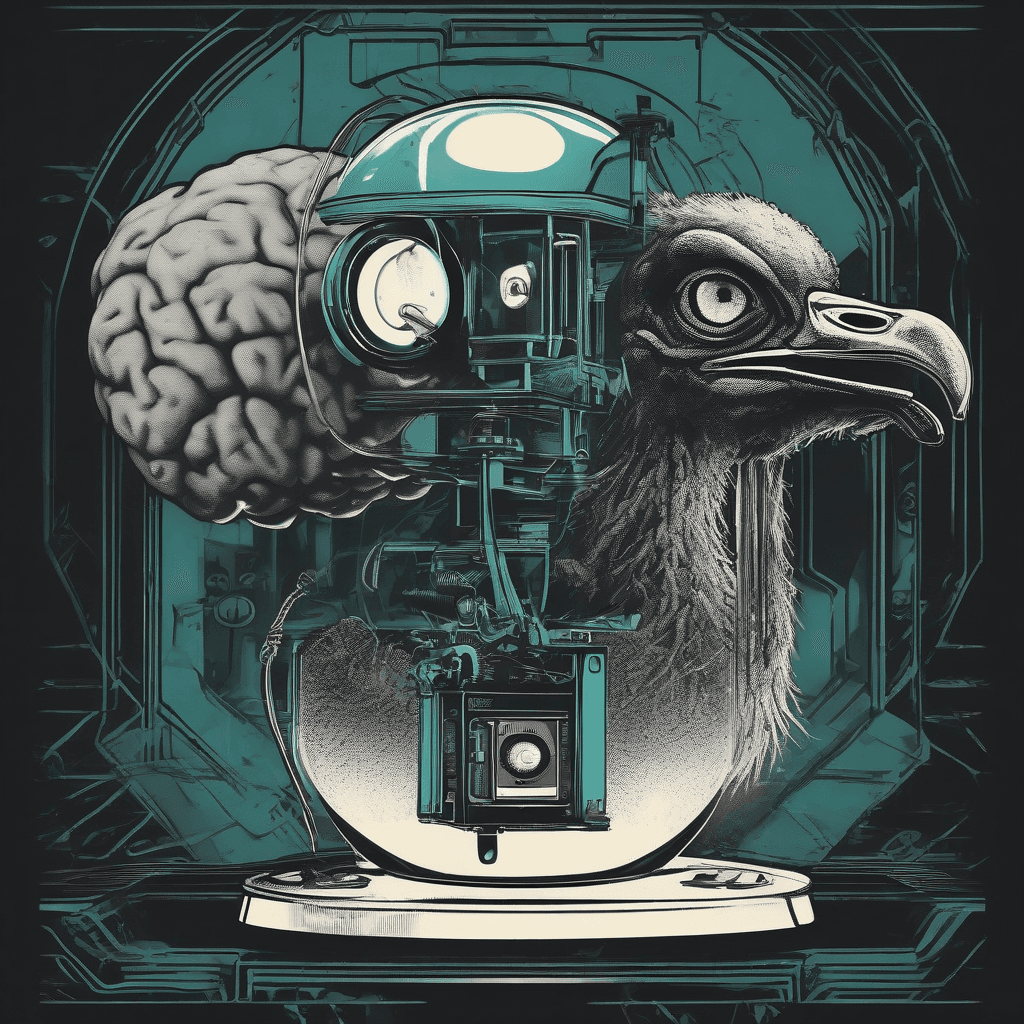
“An exploration of how the fringes of early 20th-century cinema—from brain-transplanting doctors to explosive ostriches—laid the foundation for modern cult movie obsession.”
When we think of cult cinema, the mind often drifts toward the neon-soaked midnight screenings of the 1970s or the grainy VHS tapes of the 1980s. However, the true DNA of the cult phenomenon—the transgressive, the weird, and the defiantly independent—was woven into the very fabric of the silent and early sound eras. Long before the term 'midnight movie' was coined, a collection of genre-defying experiments and moral outliers were already challenging the status quo, creating a blueprint for the obsessive fandoms that would follow decades later. These films were not just entertainment; they were the first tremors of a cinematic earthquake that would eventually prioritize the unconventional over the mainstream.
The Genesis of the Weird: Body Horror and Mad Science
At the heart of the cult aesthetic lies a fascination with the grotesque and the scientifically impossible. While modern audiences might look to Cronenberg for their fix of body horror, the seeds were planted much earlier. Take, for instance, the 1917 curiosity The Love Doctor. This film, which explores the radical notion of a doctor transplanting the brain of one girl into another, serves as a primal ancestor to the 'mad scientist' subgenre that would later define much of cult horror. It represents a departure from the polite society dramas of its time, opting instead for a narrative that leans into the unsettling and the ethically ambiguous. This willingness to push the boundaries of biological reality is a hallmark of cult cinema, a genre that thrives on the 'what if' scenarios that make the average viewer squirm.
The fascination with psychological and physical transformation didn't stop with brain transplants. In the European landscape, films like Der Teufelswalzer (1919) tapped into a deep-seated anxiety that would become a staple of the psychological thriller. By focusing on a virtuoso haunted by severe anxiety and a mysterious visitor, the film moved away from simple plot-driven narratives toward a more atmospheric, internal exploration of the psyche. This focus on mood and the 'unseen' is precisely what draws cult devotees to a film—the feeling that there is a layer of meaning hidden beneath the surface, waiting to be decoded by those with the patience to look.
The Birth of Exploitation: Taboos and Moral Outliers
Cult cinema has always had a symbiotic relationship with the 'forbidden.' In the early 20th century, this often took the form of 'social hygiene' films or moralistic tales that, under the guise of education, provided audiences with a glimpse into the taboo. The Solitary Sin (1919) is a quintessential example of this proto-exploitation style. By contrasting the sexual education of three different boys, the film touched on subjects that were strictly regulated by the burgeoning censorship boards of the time. While the film framed itself as a cautionary tale, its focus on the 'hidden' aspects of human development gave it a transgressive edge that modern cult films like Reefer Madness would later emulate.
Similarly, films like Human Cargoes (1916) and Her Maternal Right (1916) explored the darker side of social climbing and class struggle with a cynical lens that was often absent from the more sanitized major studio releases. In Her Maternal Right, the protagonist Nina Seabury is depicted as a woman interested only in her lovers' bank accounts—a character archetype that would eventually evolve into the 'femme fatale' of noir. These films allowed audiences to explore the moral grey areas of society, providing a cathartic release that the mainstream 'happy ending' machine could not offer. This tradition of centering the narrative on the morally compromised is what makes cult cinema so enduringly fascinating; it reflects the messy reality of human nature back at us.
Absurdism and the Surreal: The Comedy of the Fringe
If horror and exploitation are the pillars of cult cinema, then absurdism is the mortar that holds them together. Early short films like Robinson Crusoe Ltd. (1917) showcased a level of surrealist humor that felt light-years ahead of its time. The image of a shipwrecked man being saved by an ostrich that lays explosive eggs is the kind of non-sequitur logic that would later define the works of cult icons like John Waters or the Monty Python troupe. This brand of comedy doesn't rely on the structured setups of slapstick; instead, it finds humor in the sheer randomness of the universe.
Other shorts like Noah Put the Cat Out (1919) and Hoodoo Watch (1921) pushed the boundaries of visual storytelling, using the limitations of early animation and cinematography to create worlds that felt slightly 'off.' In Park Your Car (1920), the simple act of buying a second-hand car descends into a disastrous, almost nihilistic sequence of events where everything falls off the vehicle except the license plate. This 'comedy of errors' pushed to its absolute extreme is a recurring theme in cult classics, where the world is depicted as a place of chaotic, unmanageable forces.
The Maverick Spirit: Independent Visions and Marginalized Voices
Perhaps the most vital component of the cult legacy is the spirit of the independent filmmaker—the individual who creates outside the system, often out of necessity. The Homesteader (1919), directed by the legendary Oscar Micheaux, is a towering achievement in this regard. As one of the first major African American filmmakers, Micheaux had to navigate a segregated industry, creating films that spoke directly to Black audiences while challenging the racist caricatures prevalent in Hollywood. The Homesteader, with its complex narrative about a lone African American man in the Dakotas, was a radical act of self-representation. This is the essence of 'cult'—a film that exists because its creator refused to be silenced by the mainstream, creating a direct connection with an underserved audience.
This maverick spirit is also found in the rugged, location-based dramas of the era. Paid in Advance (1919) took audiences to the northwestern wilderness of Alaska, telling a story of innocence lost among the gold fields. The film’s commitment to its harsh setting and its focus on the 'evil men' of the frontier gave it a grit that prefigured the 'grindhouse' aesthetics of the 1970s. It wasn't just a story; it was an experience of a specific, dangerous place. Cult cinema often acts as a travelogue for the soul, taking us to the fringes of the map—whether that map is geographic, social, or psychological.
Genre Mutants and the Archeology of the Unusual
The early era was also a breeding ground for 'genre mutants'—films that refused to fit neatly into a single box. The Cossack Whip (1916) blended political thriller with revenge drama, featuring a brutal attack on a village and a subsequent quest for justice. Its depiction of secret police and massacres was far more intense than the standard fare of the mid-1910s, appealing to a more sophisticated or perhaps more jaded viewer. This blending of high-stakes politics with visceral action is a precursor to the transgressive action cinema that would later find a home in the cult canon.
Even the comedies of the time had a darker undercurrent. Mister 44 (1916) follows a woman in a sordid shirt factory who dreams of the great outdoors, surrounded by men she views as having 'puny minds and flabby bodies.' This internal monologue of dissatisfaction and the yearning for something 'greater' or 'stronger' is a deeply cult sentiment. It is the voice of the outsider looking at the mundane world and finding it wanting. Whether it's the blacksmith in The Sudden Gentleman (1917) struggling with an inherited fortune or the girl in Nancy from Nowhere (1922) fleeing dreadful surroundings, these characters represent the quintessential 'cult' protagonist: the person who doesn't fit, the person who is searching for a truth that the world around them cannot provide.
Conclusion: The Eternal Flame of the Fringe
Cult cinema is often defined by its 'afterlife'—the way a film is rediscovered, recontextualized, and eventually worshipped by a dedicated few. Looking back at the silents and early talkies like The Girl Who Wouldn't Quit (1918) or Up Romance Road (1918), we see the same patterns of rebellion and rediscovery. These films were the original outliers, the experiments that failed at the box office but succeeded in capturing a specific, strange frequency of the human experience. They remind us that the 'midnight' mindset isn't about the time of day a film is shown, but the state of mind of the viewer.
As we continue to dig through the archives, unearthing gems like Il mistero di Galatea (1919) or the serialized intrigue of Beatrice Fairfax, we realize that the history of cinema is not a straight line of progress. Instead, it is a vast, tangled web of influences where the most obscure short or the most maligned melodrama can spark a fire in the heart of a future filmmaker. The cult cinema of today stands on the shoulders of these early giants—the rebels, the misfits, and the dreamers who knew that the most interesting stories are always found in the shadows, just beyond the reach of the marquee’s glare. By embracing the weirdness of the past, we ensure that the subversive spirit of the fringe will never truly fade away.
Community
Comments
Log in to comment.
Loading comments…