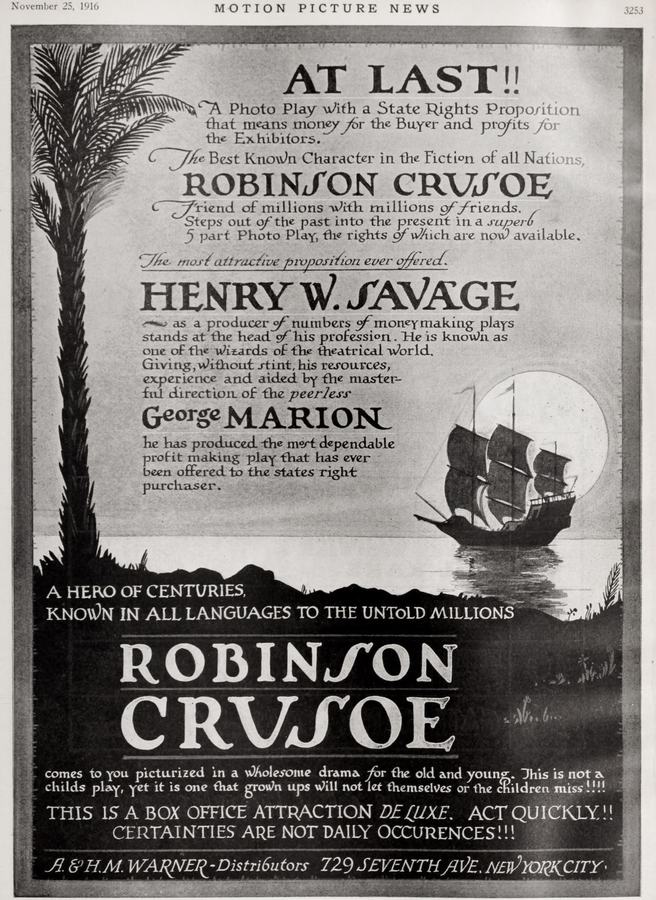
A man struggles to survive after being shipwrecked on a deserted island..
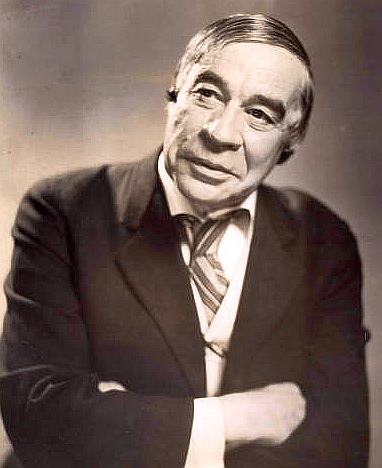
John McKee, Daniel Defoe
United States
Strip the varnish off every previous adaptation and you’ll still find colonial varnish underneath; John McKee’s Robinson Crusoe douses the whole plank in kerosene and strikes a match. The first thing to burn is the calendar—dates flutter away like singed moths—so that time becomes elastic, a rubber band that snaps bac...
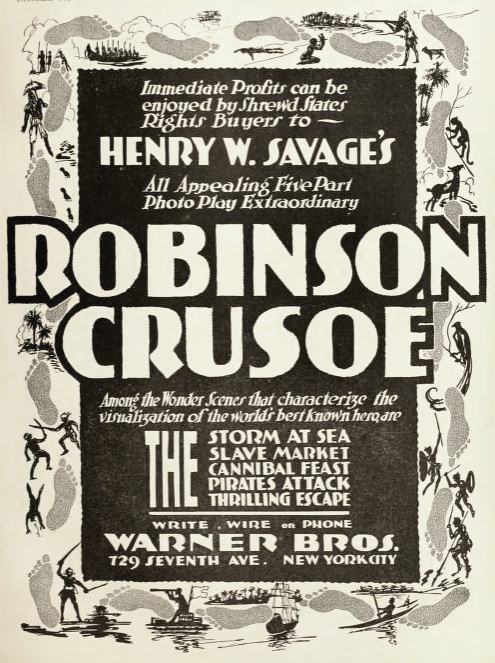
publicity
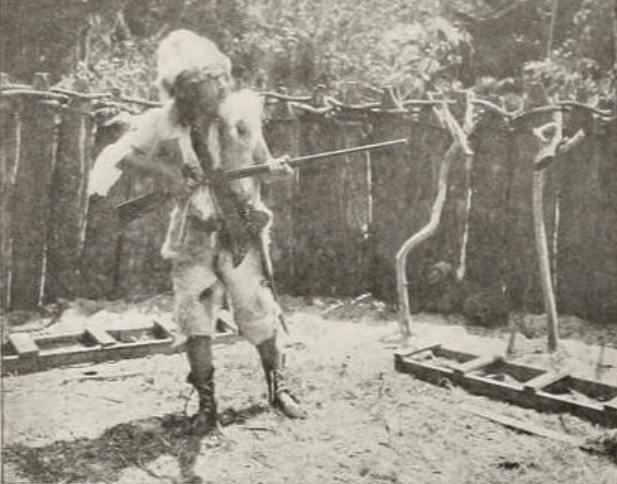
still_frame
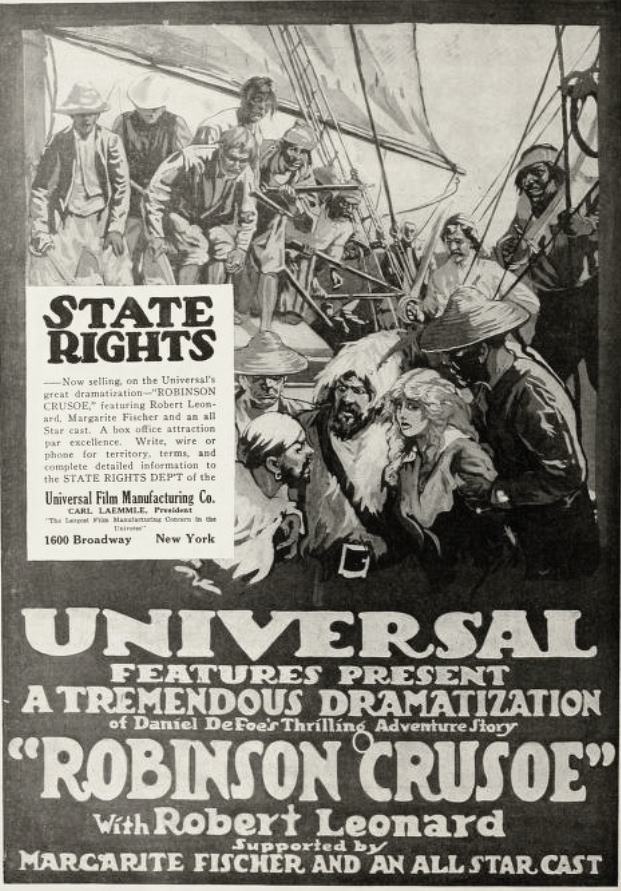
publicity
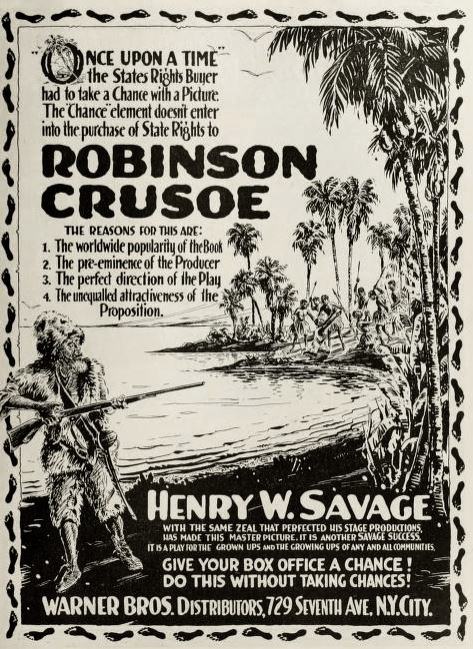
publicity

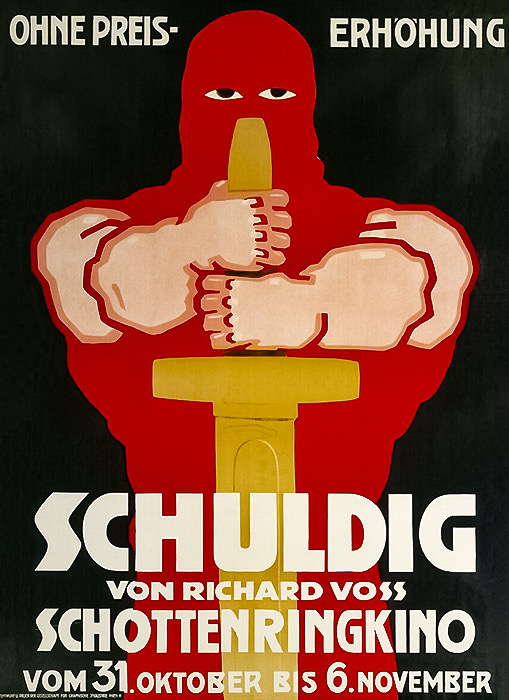
Comparing the cinematic DNA and archive impact of two defining moments in cult history.
George F. Marion
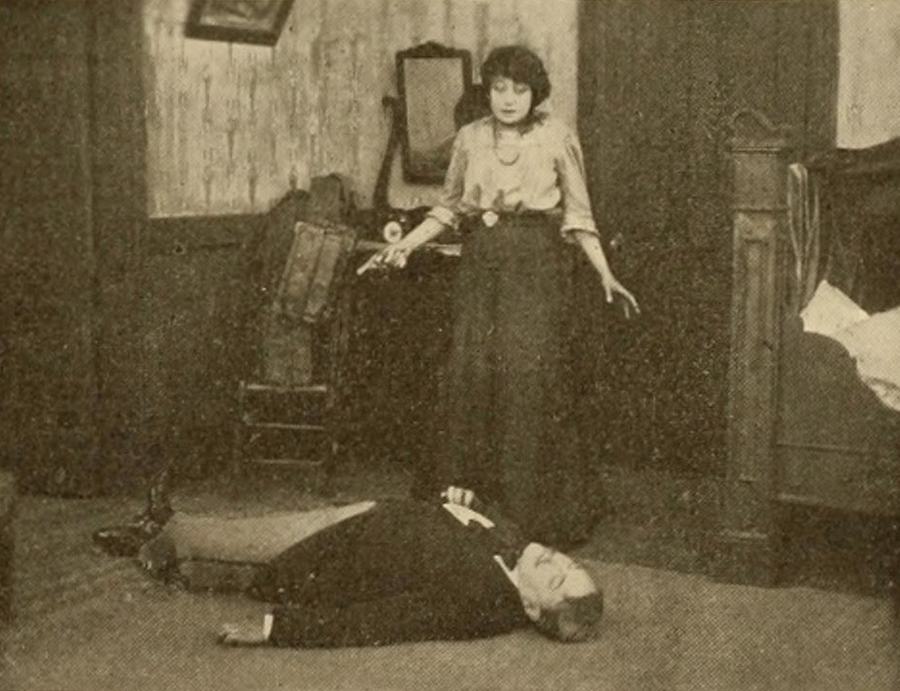
George F. Marion
Community
Log in to comment.
" Strip the varnish off every previous adaptation and you’ll still find colonial varnish underneath; John McKee’s Robinson Crusoe douses the whole plank in kerosene and strikes a match. The first thing to burn is the calendar—dates flutter away like singed moths—so that time becomes elastic, a rubber band that snaps back against the viewer’s wrist. Caesar Dean, operating at the threshold between shipwreck and nervous breakdown, lets his pupils do the talking: they dilate until the iris is only a ..."

Deep dive into the cult classic
Discover similar cinematic experiences
A Directorial Spotlight on George F. Marion
