
DbcultAccessing Vault...
Director's Spotlight
Senior Film Conservator
Director's Spotlight: United States
A Deep Dive into the 1917 Vision of Thomas R. Mills
The evocative power of The Defeat of the City stems from the unique collaboration between the subversive storytelling techniques employed by Thomas R. Mills in 1917. Synthesizing the best elements of United States and international cinema, it reminds us of the fragility and beauty of the 1917s.
In The Defeat of the City, Thomas R. Mills pushes the boundaries of conventional narrative. The film's unique approach to its subject matter has sparked endless debates and interpretations among cinephiles and critics alike.
To fully appreciate The Defeat of the City, one must consider the cinematic climate of 1917. During this period, United States was undergoing significant artistic shifts, and Thomas R. Mills was at the forefront of this cult movement, often challenging established norms.
| Cinematography | Handheld |
| Soundtrack | Experimental |
| Editing | Invisible |
| Art Direction | Kitsch |
Visualizing the convergence of Thomas R. Mills's style and the core cult narrative.
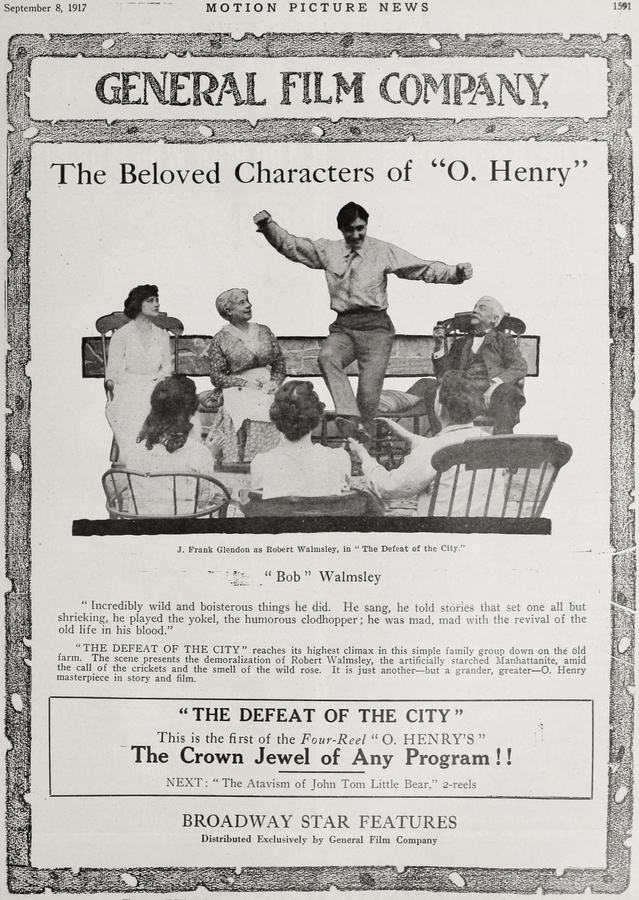
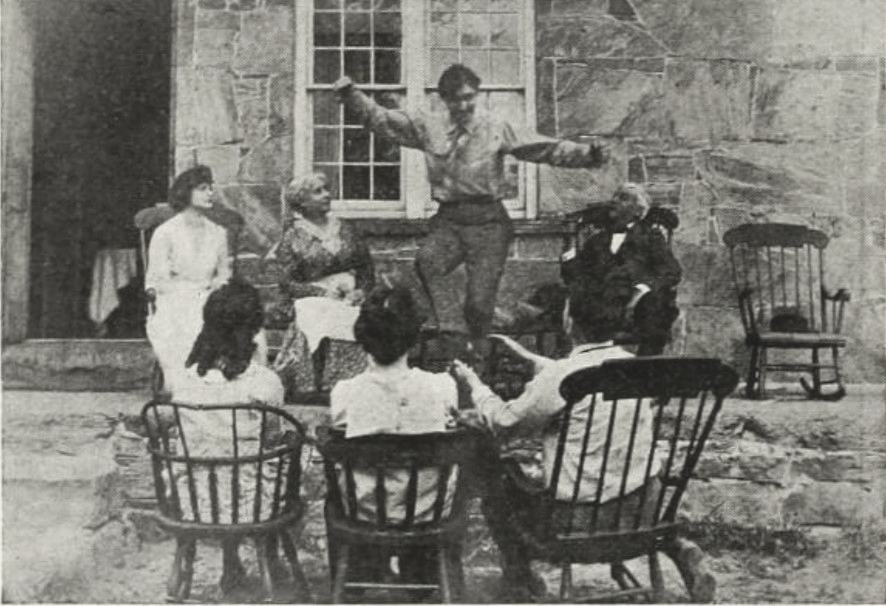
Robert Walmsley, at the end of six years in the city, has won fortune, fame, and Alice Van Der Pool, a "daughter of the old burghers, high and cool and white and inaccessible." So Robert feels that he has achieved the ultimate end of success and happiness. Alice finds a letter written to Robert by his mother, a letter straight from home, full of farm lore and gossip. She prevails upon Robert to take her for a visit to the farm. Robert is dismayed at the prospect, fearing Alicia will be shocked at the crudeness of his rural atavism. There his wife sits silent and immovable while Robert cuts ridiculous capers. Alicia presently ascends to her room. Robert, suddenly feeling that he is disgraced in her eves, and that he has been unmasked by his own actions and that "all the polish, the poise, the form that the city has given him has fallen from him like an ill-fitting mantle at the first breath of a country breeze," grows quiet. Presently he follows Alicia upstairs, prepared to meet his fate. He knew the rigid lines that a Van Der Pool would draw She is standing at the window, in the twilight. Robert silently takes his place beside her. "Robert," said the cool, calm voice of his judge, "I thought I married a gentleman," Alicia steps closer to Robert. "But," she continues, "I find that I have married something better, a man. Bob, dear, kiss me, won't you?"
Decades after its release, The Defeat of the City remains a vital piece of the cinematic puzzle. Its influence can be seen in countless modern works, solidifying Thomas R. Mills's status as a master of the craft in United States and beyond.