Summary
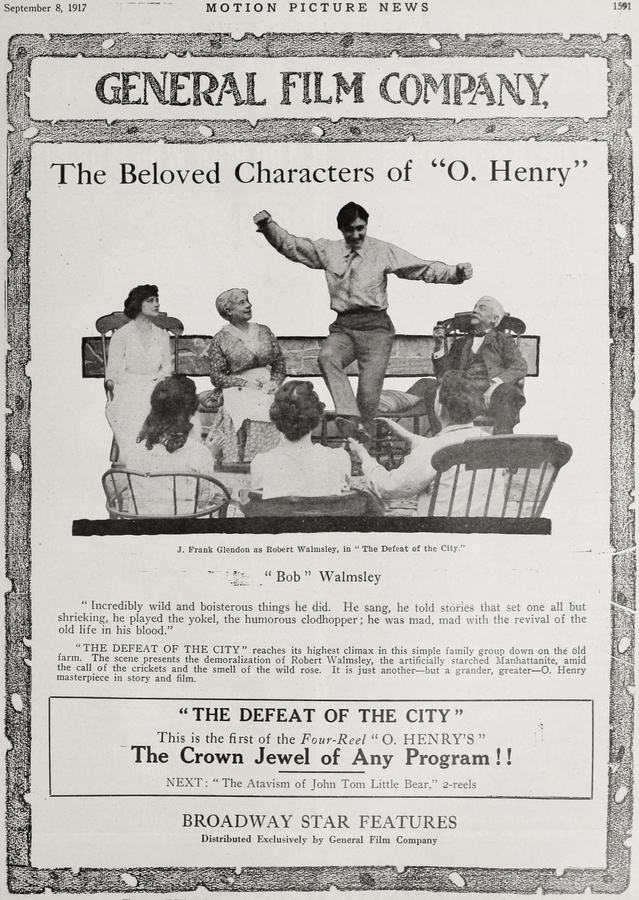
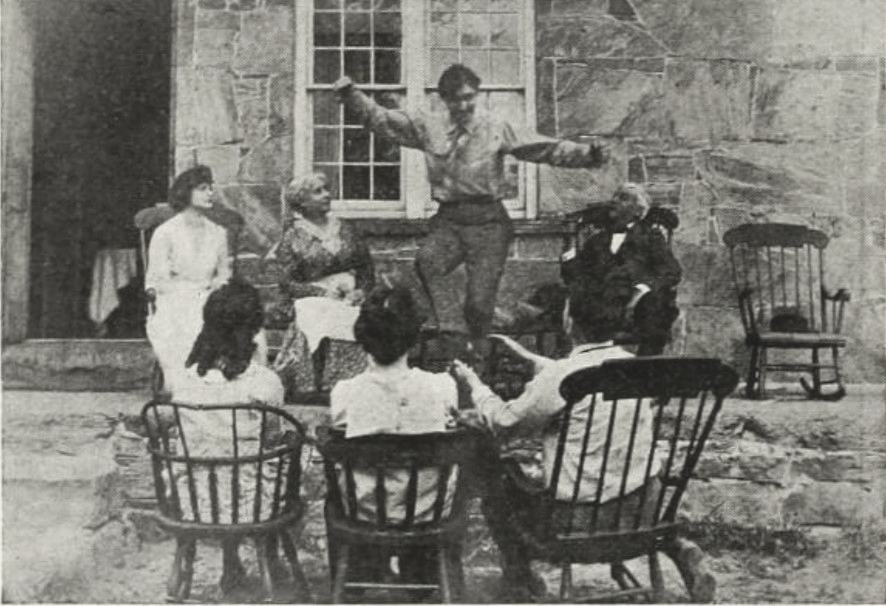
Robert Walmsley, a titan forged in the crucible of metropolitan ambition, stands at the zenith of his urban conquest. Six years of relentless striving have culminated in a formidable fortune, widespread acclaim, and the acquisition of Alice Van Der Pool—an enigmatic figure described with a frigid elegance, a "daughter of the old burghers, high and cool and white and inaccessible." He perceives this triumvirate of achievements as the very apotheosis of success and personal felicity. However, this meticulously constructed edifice of urban identity begins to fissure upon the discovery of a letter from his mother, a missive redolent with the earthy simplicity of farm life and bucolic trivialities. Alice, intrigued by this glimpse into Robert's rustic origins, insists on a visit to his ancestral farm. Robert, assailed by a profound disquietude, anticipates her revulsion at what he fears will be perceived as his crude, atavistic roots. Upon their arrival, his anxieties manifest in a grotesque charade of exaggerated rural antics, while Alice observes him with an unnerving, impassive silence. Retreating to her room, Alice leaves Robert in a sudden, mortifying realization of his self-inflicted disgrace. The meticulously cultivated veneer of urban sophistication—the "polish, the poise, the form that the city has given him"—crumbles, revealing the raw, unadorned man beneath, "like an ill-fitting mantle at the first breath of a country breeze." Convinced of his unmasking and impending judgment, he follows her, resigned to the rigid moral calculus of a Van Der Pool. Yet, in the twilight's embrace, by the window, Alice transcends the expected judgment. Her cool, calm voice, initially invoking the expected societal condemnation, ("I thought I married a gentleman"), swiftly pivots. She declares her discovery of "something better, a man," embracing his authentic self with a tender, liberating invitation: "Bob, dear, kiss me, won't you?" This denouement reveals a profound victory not of the city, but of genuine human connection over performative identity.
Synopsis
Robert Walmsley, at the end of six years in the city, has won fortune, fame, and Alice Van Der Pool, a "daughter of the old burghers, high and cool and white and inaccessible." So Robert feels that he has achieved the ultimate end of success and happiness. Alice finds a letter written to Robert by his mother, a letter straight from home, full of farm lore and gossip. She prevails upon Robert to take her for a visit to the farm. Robert is dismayed at the prospect, fearing Alicia will be shocked at the crudeness of his rural atavism. There his wife sits silent and immovable while Robert cuts ridiculous capers. Alicia presently ascends to her room. Robert, suddenly feeling that he is disgraced in her eves, and that he has been unmasked by his own actions and that "all the polish, the poise, the form that the city has given him has fallen from him like an ill-fitting mantle at the first breath of a country breeze," grows quiet. Presently he follows Alicia upstairs, prepared to meet his fate. He knew the rigid lines that a Van Der Pool would draw She is standing at the window, in the twilight. Robert silently takes his place beside her. "Robert," said the cool, calm voice of his judge, "I thought I married a gentleman," Alicia steps closer to Robert. "But," she continues, "I find that I have married something better, a man. Bob, dear, kiss me, won't you?"
Review Excerpt
"
The Defeat of the City: Unmasking the Urban Façade
In the annals of early cinema, few narratives capture the intricate dance between aspiration and authenticity with the quiet power of The Defeat of the City. This cinematic gem, born from the narrative prowess of O. Henry and adapted for the screen by William B. Courtney, delves into a deeply human conflict: the struggle to reconcile a carefully constructed public persona with the irreducible core of one's true self. It's a st..."