
DbcultAccessing Vault...
Director's Spotlight
Senior Film Conservator
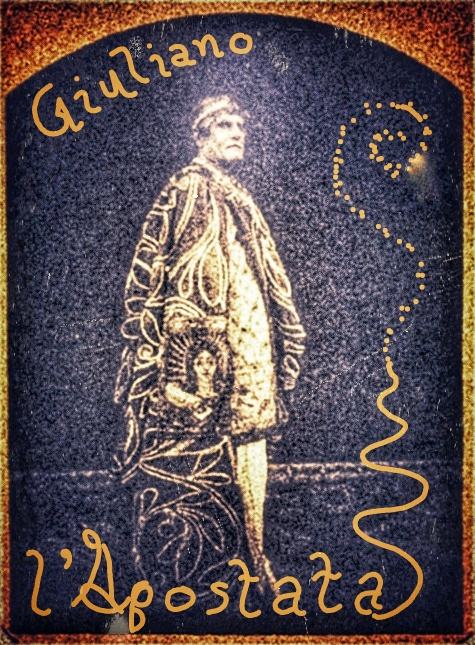
Director's Spotlight: Italy
A Deep Dive into the 1919 Vision of Ugo Falena
As a cultural artifact of the 1919s, Giuliano l'apostata provides the visionary mind of its creator, Ugo Falena. With its avant-garde structure and atmospheric tension, it redefined what audiences could expect from a cult experience.
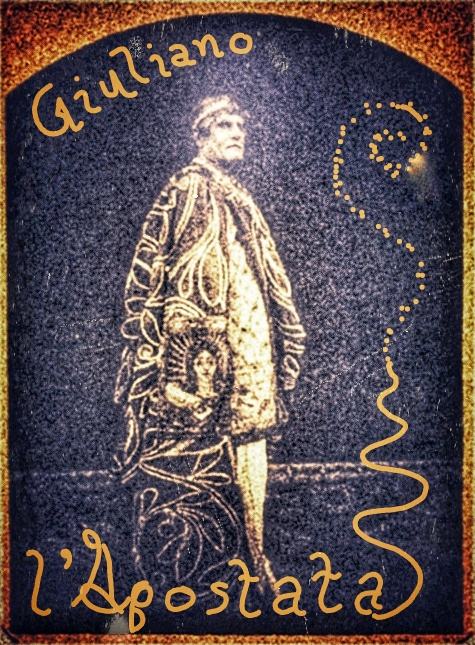
In Giuliano l'apostata, Ugo Falena pushes the boundaries of conventional narrative. The film's unique approach to its subject matter has sparked endless debates and interpretations among cinephiles and critics alike.
| Cinematography | Deep Focus |
| Soundtrack | Experimental |
| Editing | Elliptical |
| Art Direction | Expressionist |
Visualizing the convergence of Ugo Falena's style and the core cult narrative.
Highly stylised biopic of the last Pagan Roman-Byzantine Emperor, Julian the Philosopher, known to Christians as 'the Apostate'. Orphaned by his cousin Constantius (Costanzo), and narrowly escaping death himself as a child, Julian is brought up on the Greek classics by his faithful tutor Mardonius. Constantius's seductive wife, Eusebia, has designs on him, but he is given the emperor's sister Elena as his bride. She is a Christian, and is herself the object of the unrequited affection of her teenaged page. After Julian is posted to Gaul as Caesar, to fight the barbarians, the romantic rivalries come to a tragic climax. Julian becomes Emperor, avenges the woman he realises, too late, he loved, and sets out on a fatal campaign against the Persians... The script is stronger on romance than politics, emphasising the (fictional) intersecting love-triangles. However, Duilio Cambellotti's striking Byzantine-Art Nouveau costumes and Luigi Mancinelli's score make it retain interest.
Decades after its release, Giuliano l'apostata remains a vital piece of the cinematic puzzle. Its influence can be seen in countless modern works, solidifying Ugo Falena's status as a master of the craft in Italy and beyond.