
Cult Cinema
The Unseen Current: Decoding Cult Cinema's Enduring Allure from Early Cinematic Rebellion

“Explore the deep, subversive currents that shaped cult cinema from its earliest days, examining how unconventional narratives and transgressive themes fostered a unique bond between film and its most devoted audiences.”
Cult cinema. The very phrase conjures images of midnight screenings, passionate fandoms, and films that defy easy categorization. These are not merely movies; they are experiences, shared rituals, and often, cultural touchstones for those who find solace or rebellion in their unconventional narratives. But how did this phenomenon begin? To truly understand the enduring appeal of cult films, we must journey back to the nascent days of cinema, long before the term 'midnight movie' was coined, to uncover the primal stirrings of cinematic rebellion and the films that first dared to be different.

The roots of cult cinema are deeply intertwined with the history of film itself, emerging from an era where storytelling was rapidly evolving, and the boundaries of what could be depicted on screen were constantly being tested. Early filmmakers, often working with nascent technologies and under fewer commercial constraints, inadvertently laid the groundwork for the transgressive visions that would define cult cinema for generations. These were films that, for various reasons, didn't always fit neatly into the mainstream, yet resonated profoundly with niche audiences, setting the stage for the collective obsessions we see today.

The Genesis of Deviation: Early Cinema's Maverick Spirit
Before films were meticulously market-tested and genre-boxed, there was a raw, experimental spirit that allowed for narratives to stray into uncharted territory. While many early productions aimed for broad appeal, others, perhaps unintentionally, embraced themes and styles that would later be recognized as hallmarks of subversive cinema. These were films that explored the darker facets of human nature, challenged societal norms, or simply presented reality through a uniquely distorted lens.

Consider the early dramas that delved into moral ambiguities and the plight of the outcast. Narratives that depicted characters grappling with profound social rejection, often forced into desperate circumstances by societal judgment, resonated with audiences seeking stories beyond simple hero-villain archetypes. Whether it was a protagonist driven to crime by a system that failed them, or a woman ostracized for perceived transgressions, these films offered a mirror to the societal fringes. They hinted at the complex, often uncomfortable truths that mainstream narratives shied away from, laying the groundwork for the unconventional narratives that cult audiences would later champion.
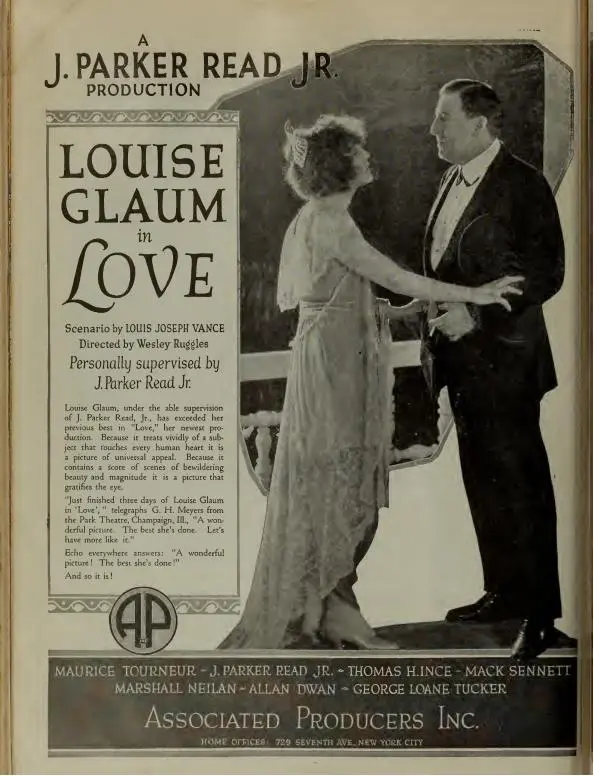
The allure wasn't always in explicit rebellion, but sometimes in a subtle deviation from expectation. A film might present a dramatic tale of love and loss, but with an underlying fatalism or a stark realism that felt profoundly different. Or perhaps a comedy short, seemingly innocent, would contain a level of slapstick absurdity or dark humor that pushed the boundaries of taste for its time. These early examples, whether through their depiction of social misfits, their exploration of forbidden passions, or their unflinching look at human folly, began to carve out a space for films that existed slightly outside the accepted norm.
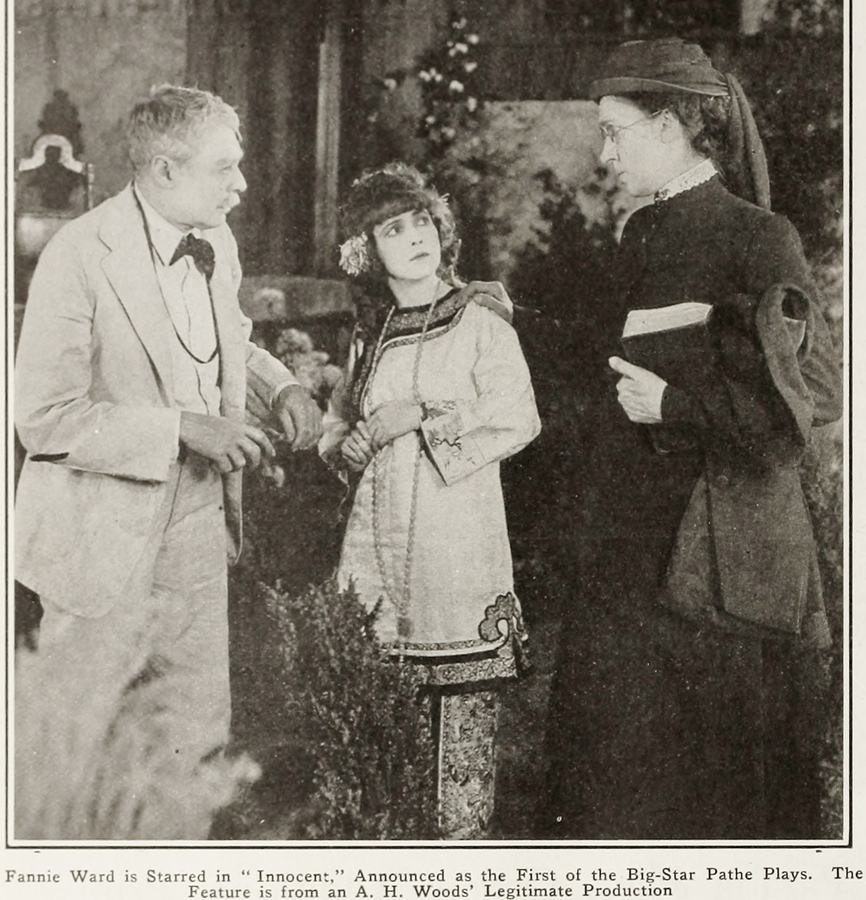
The Power of the Unconventional: Themes That Endure
Many of the themes that define modern cult cinema can be traced back to these formative years. The fascination with the anti-hero or the morally compromised protagonist, for instance, finds its echoes in early tales of revenge, obsession, and moral decay. Films that explored the consequences of greed, the destructive nature of ambition, or the desperate measures taken by those on the margins, offered a compelling alternative to more sanitized storytelling.

The exploration of taboo subjects was another early indicator of cult potential. Whether it was the portrayal of forbidden love, the consequences of social hypocrisy, or narratives that hinted at psychological disturbance, these films dared to tread where others wouldn't. While not always explicit due to censorship of the era, the suggestion of these themes was enough to mark a film as 'different' and attract viewers who craved more challenging content. This transgressive spirit, a willingness to confront the uncomfortable, is a cornerstone of cult appeal.
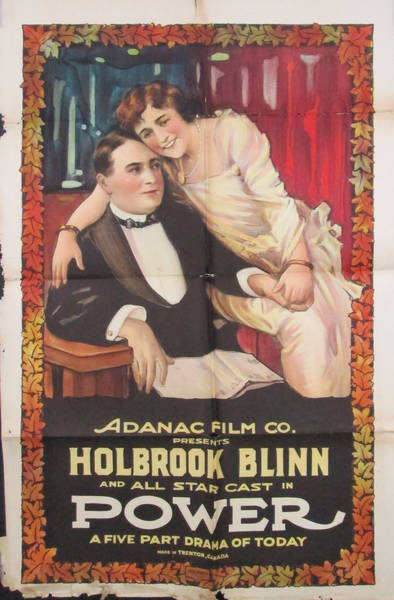
Furthermore, many early films, particularly those from international markets, brought with them unique aesthetic sensibilities and narrative structures that differed from Hollywood's emerging conventions. A stark, expressionistic visual style, or a narrative that prioritized mood and atmosphere over linear plot progression, could render a film profoundly impactful yet commercially niche. These films, often discovered by cinephiles and film societies years later, exemplified how a distinctive artistic vision, even if initially misunderstood, could foster lasting appreciation.
From Overlooked Gems to Cherished Artifacts: The Birth of Fandom
What truly transforms a film into a cult classic isn't just its content, but the audience's response to it. In the early days, before the digital age, this connection was often forged through word-of-mouth, repeat viewings, and a sense of shared discovery. An initially modest theatrical run might give way to a burgeoning reputation, particularly among those who felt a personal connection to the film's themes or characters.
The films that explored the lives of societal outsiders, for instance, often found a loyal following among audiences who themselves felt marginalized. A story of a lonely individual seeking connection, a person struggling against a corrupt system, or a character finding strength in their own perceived flaws, could become a powerful source of identification. These films offered a sense of validation, a cinematic mirror reflecting experiences often ignored by mainstream entertainment. This profound, personal resonance is a key ingredient in the alchemy of cult creation.
Moreover, the very act of discovering an underground film or an overlooked masterpiece fostered a sense of community. Sharing these cinematic secrets, discussing their hidden meanings, and re-experiencing their unique power became a ritual. This early form of collective devotion, passed down through generations of film enthusiasts, is the spiritual ancestor of today's vibrant online fandoms and midnight movie screenings. The films themselves became more than entertainment; they were catalysts for connection, sparking conversations and forging bonds.
The Enduring Legacy: Why Cult Cinema Persists
The enduring appeal of cult cinema, from its earliest manifestations to its modern incarnations, lies in its ability to offer something beyond the ordinary. It caters to a primal human need for stories that challenge, provoke, and resonate on a deeper, often subversive, level. These films often reject conventional narrative arcs, embrace ambiguity, and prioritize unique artistic expression over commercial viability.
Even films initially deemed failures or dismissed by critics found new life as rebel artifacts. Their quirks, their perceived flaws, and their sheer audacity often became the very qualities that endeared them to a dedicated following. A film that was too strange for its time, or too emotionally raw, might be reappraised years later as a visionary work, ahead of its curve. This process of re-evaluation, driven by passionate cinephiles, is fundamental to the cult canon.
The narratives themselves, often exploring themes of rebellion against authority, the search for identity, or the struggle for personal freedom, provide a powerful catharsis. Whether it’s a character breaking free from societal expectations, or an individual finding their voice in a world that seeks to silence them, these stories tap into universal human desires. The maverick visions of early cinema, depicting protagonists who defy convention or challenge the status quo, laid the emotional and thematic groundwork for countless cult classics to come.
In conclusion, cult cinema is not a modern invention but a continuous thread woven through the fabric of film history. Its origins can be traced back to the silent era, to those daring, unconventional, and often transgressive films that, whether by accident or design, spoke to a different kind of audience. These early cinematic rebels, with their explorations of moral complexity, social alienation, and aesthetic innovation, proved that a film's true power lies not always in its immediate success, but in its ability to forge an unbreakable bond with those who understand its unique language. The cult film, then, is a testament to the enduring power of niche appeal, the shared experience of discovery, and the timeless human yearning for stories that dare to exist beyond the mainstream.
Community
Comments
Log in to comment.
Loading comments…