
DbcultAccessing Vault...
Director's Spotlight
Senior Film Conservator
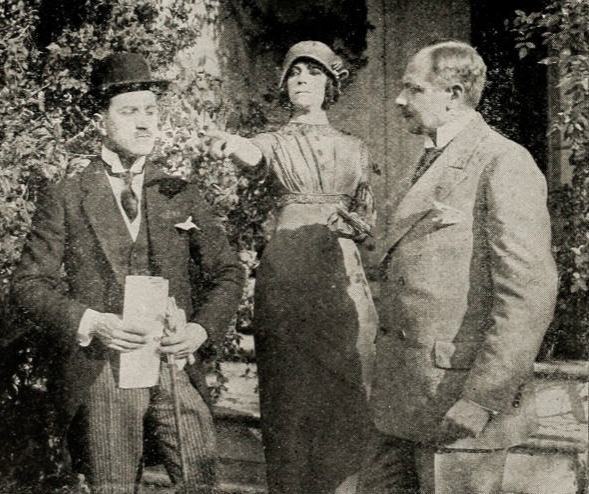
Director's Spotlight: Germany
A Deep Dive into the 1914 Vision of Urban Gad
The thematic gravity of The Call of the Child (1914) is rooted in the historical context that Urban Gad weaves into the cult fabric. Synthesizing the best elements of Germany and international cinema, it highlights the importance of independent voices in Germany.
In The Call of the Child, Urban Gad pushes the boundaries of conventional narrative. The film's unique approach to its subject matter has sparked endless debates and interpretations among cinephiles and critics alike.
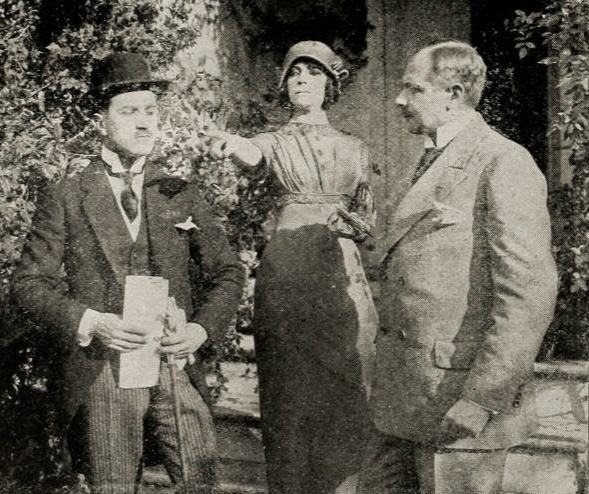
In this work, Urban Gad explores the intersection of cult and Germany cultural identity. The meticulous attention to detail suggests a deep-seated commitment to pushing the boundaries of the medium, ensuring that The Call of the Child remains a relevant topic of study for cult enthusiasts.
| Cinematography | Noir-Inspired |
| Soundtrack | Orchestral |
| Editing | Invisible |
| Art Direction | Kitsch |
Visualizing the convergence of Urban Gad's style and the core cult narrative.
Ernest Schiller, a wealthy merchant, has the cherished ambition to secure as his son-in-law the Count De Grechy, a member of the nobility. His ambition is about to be realized, for the Count has accepted an urgent invitation to be Schiller's guest. His arrival is hailed with delight by the merchant, who offers the freedom of his home. Bertha, Schiller's daughter, does not experience the same enthusiasm which is manifested by her father. The reason for this is that she has pledged her heart and hand to Franz Rambauld, her sweetheart. The Count's attentions, therefore, are greatly distressing to Bertha. Nevertheless, through her father's insistence, the unfortunate girl is compelled to engage herself to the Count. To celebrate her engagement, her father gives an elaborate reception. During the festivities Bertha joins Franz, and they run away to be married. Three happy years follow, and a little child makes glad the heart of the parents. Franz, through unfortunate speculation, becomes indebted to the Count, who insists upon being paid. To add to his distress, his child is stricken seriously ill, and only the attention of a celebrated specialist can save it. In her distress, Bertha is forced to humbly seek assistance from her mother. Successful in her quest, Bertha returns home. She arrives as her husband is pleading for more time to pay his debts. Realizing her husband's position, she pays the Count's agent with the money she has just received from her mother, forgetting her child's condition for the moment. The neglect proves fatal, and death claims their child. Overwrought by her grief, the mother's mind becomes unbalanced. Even after the child has been laid to rest, the little one still lives in the mother's imagination. Her sad condition breaks down the barrier between her father and herself. Thinking to ease her mind, Franz takes her to the plot where the child is buried. Returning home, she broods over the fact that her child lies in the cold ground, and in spite of the fact that it is mid-winter, she rises in the dead of night and starts for the child's grave. But the grim hand of death claims her ere she reaches her destination.
Decades after its release, The Call of the Child remains a vital piece of the cinematic puzzle. Its influence can be seen in countless modern works, solidifying Urban Gad's status as a master of the craft in Germany and beyond.