Summary
In a chandeliered salon where gold drips from cornices like frozen honey, Ernest Schiller—merchant-king of iron and coffee—plots a blood-transfusion of class, pumping noble blue into his bourgeois veins through the proxy of his only child. Bertha, porcelain yet flint, already traded her pulse to Franz, a penniless cartographer of dreams; but paternal thunder compels her to wear the Count’s ancestral ring, a circlet of ice that bites the bone. While violins scratch out a gavotte of complicity, the lovers bolt into the sodium dusk, marry under the indifferent gaze of factory smokestacks, and for three carnal years cocoon themselves in a garret where laughter ricochets like sparrows trapped under eaves. Fortune, a card-sharper with a grudge, slips Franz the marked deck; debt metastasizes; the Count re-enters, silk-gloved predator demanding his pound of flesh timed to the wheeze of an ailing infant’s lungs. Bertha crawls back to the house she once renounced, accepting maternal coin sealed with guilt-rich wax; she pays the creditor, but in that transactional heartbeat her child exhales last. The lullaby becomes requiem; Bertha’s mind unspools, a silk stocking snagging on every memory. Nightly she dialogues with the ghost-toddler, until a snow-bitten twilight lures her toward the tiny mound under cypress shadows; death, courteous but implacable, intercepts her halfway, folding her body into the same white shroud that already muffles her offspring.
Synopsis
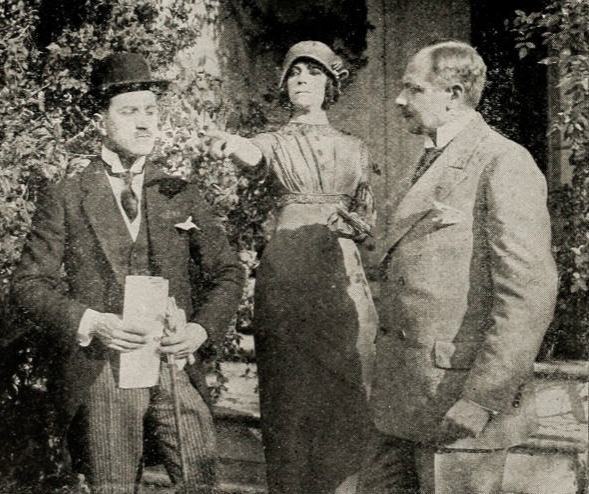
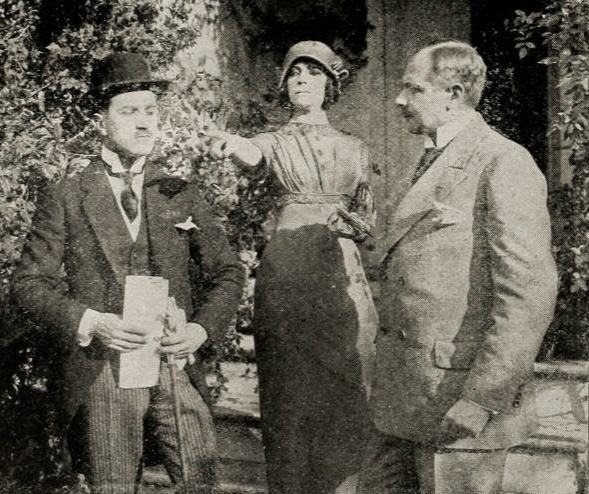
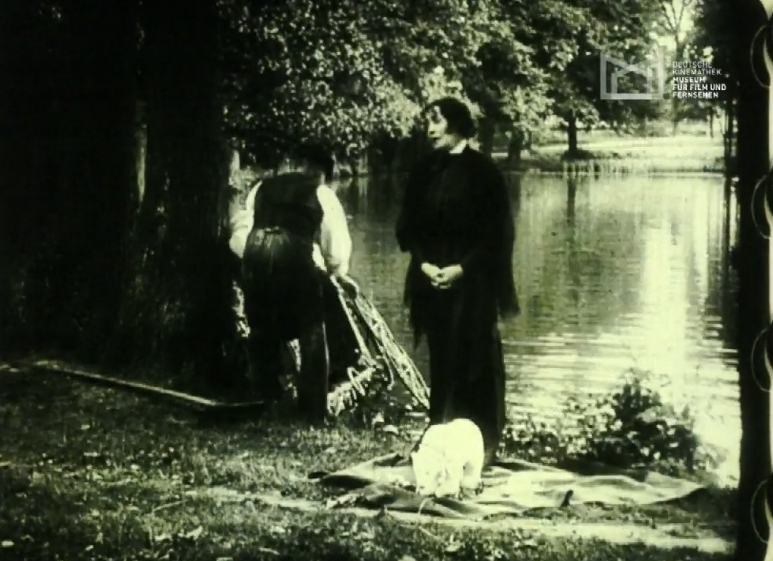
Ernest Schiller, a wealthy merchant, has the cherished ambition to secure as his son-in-law the Count De Grechy, a member of the nobility. His ambition is about to be realized, for the Count has accepted an urgent invitation to be Schiller's guest. His arrival is hailed with delight by the merchant, who offers the freedom of his home. Bertha, Schiller's daughter, does not experience the same enthusiasm which is manifested by her father. The reason for this is that she has pledged her heart and hand to Franz Rambauld, her sweetheart. The Count's attentions, therefore, are greatly distressing to Bertha. Nevertheless, through her father's insistence, the unfortunate girl is compelled to engage herself to the Count. To celebrate her engagement, her father gives an elaborate reception. During the festivities Bertha joins Franz, and they run away to be married. Three happy years follow, and a little child makes glad the heart of the parents. Franz, through unfortunate speculation, becomes indebted to the Count, who insists upon being paid. To add to his distress, his child is stricken seriously ill, and only the attention of a celebrated specialist can save it. In her distress, Bertha is forced to humbly seek assistance from her mother. Successful in her quest, Bertha returns home. She arrives as her husband is pleading for more time to pay his debts. Realizing her husband's position, she pays the Count's agent with the money she has just received from her mother, forgetting her child's condition for the moment. The neglect proves fatal, and death claims their child. Overwrought by her grief, the mother's mind becomes unbalanced. Even after the child has been laid to rest, the little one still lives in the mother's imagination. Her sad condition breaks down the barrier between her father and herself. Thinking to ease her mind, Franz takes her to the plot where the child is buried. Returning home, she broods over the fact that her child lies in the cold ground, and in spite of the fact that it is mid-winter, she rises in the dead of night and starts for the child's grave. But the grim hand of death claims her ere she reaches her destination.
Review Excerpt
"
Urban Gad’s The Call of the Child—a title that sounds pastoral yet arrives like a scalpel—slipped into cinemas in February 1913, a Danish winter on celluloid, and promptly vanished into the peat bog of lost prints. Yet even in whispered synopsis the film detonates: a parable of mercantile hubris, filial barter, and the lethal algebra of debt. What survives is not a reel but a reverberation, carried chiefly by the stunned reviews of Berlin critics who saw Asta Nielsen’s face implode into madnes..."