Summary
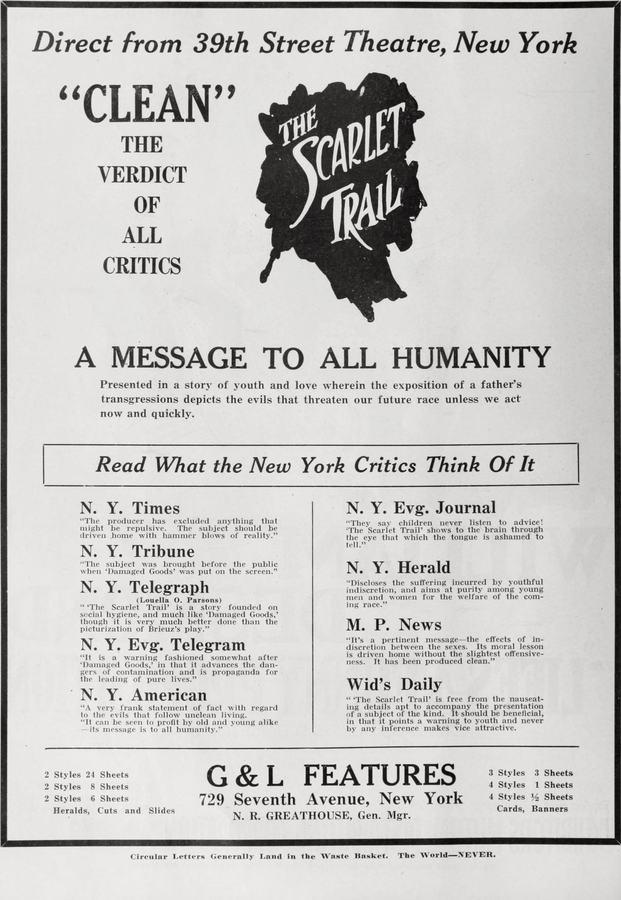
The Scarlet Trail unfurls as a stark, didactic cinematic treatise, meticulously engineered to confront and demystify the insidious peril of venereal disease in an era shrouded by prudish silence and pervasive ignorance. Far from a mere informational reel, this docudrama masterfully constructs a compelling, albeit cautionary, narrative tapestry, wherein individual lives, ensnared by societal taboos and personal misjudgment, become poignant vessels for public education. The film dissects the devastating trajectory of infection, from initial unwitting exposure through the harrowing progression of symptoms, ultimately charting a path to potential redemption via medical intervention and enlightened understanding. It meticulously illustrates the dire consequences of unchecked transmission, portraying not only the physical degradation but also the profound social ostracization and psychological torment endured by its afflicted characters. The narrative’s prowess lies in its unflinching portrayal of the societal ripple effects, demonstrating how the private suffering of a few inevitably contaminates the broader communal fabric, demanding collective vigilance and scientific dissemination over archaic moralistic condemnation. It boldly challenges the prevailing reticence surrounding sexual health, positing that open dialogue and preventative measures are paramount in safeguarding public welfare against a silent, yet devastating, epidemic. The film functions as a cinematic clarion call, advocating for enlightened public health policy and individual responsibility, all while weaving a compelling human drama of despair, education, and the arduous journey towards healing.
Review Excerpt
"
Unmasking the Unseen: 'The Scarlet Trail' and the Dawn of Public Health Cinema
In the annals of early cinema, where flickering images often served as mere escapism or quaint amusements, a formidable and often overlooked genre emerged: the didactic film. These were not mere entertainments but potent instruments of social change, designed to educate, warn, and, at times, propagandize. Among the most striking examples of this movement is the 1918 production, 'The Scarlet Trail'. ..."