
DbcultAccessing Vault...
Director's Spotlight
Senior Film Conservator
Director's Spotlight: United States
A Deep Dive into the 1928 Vision of Victor Fleming
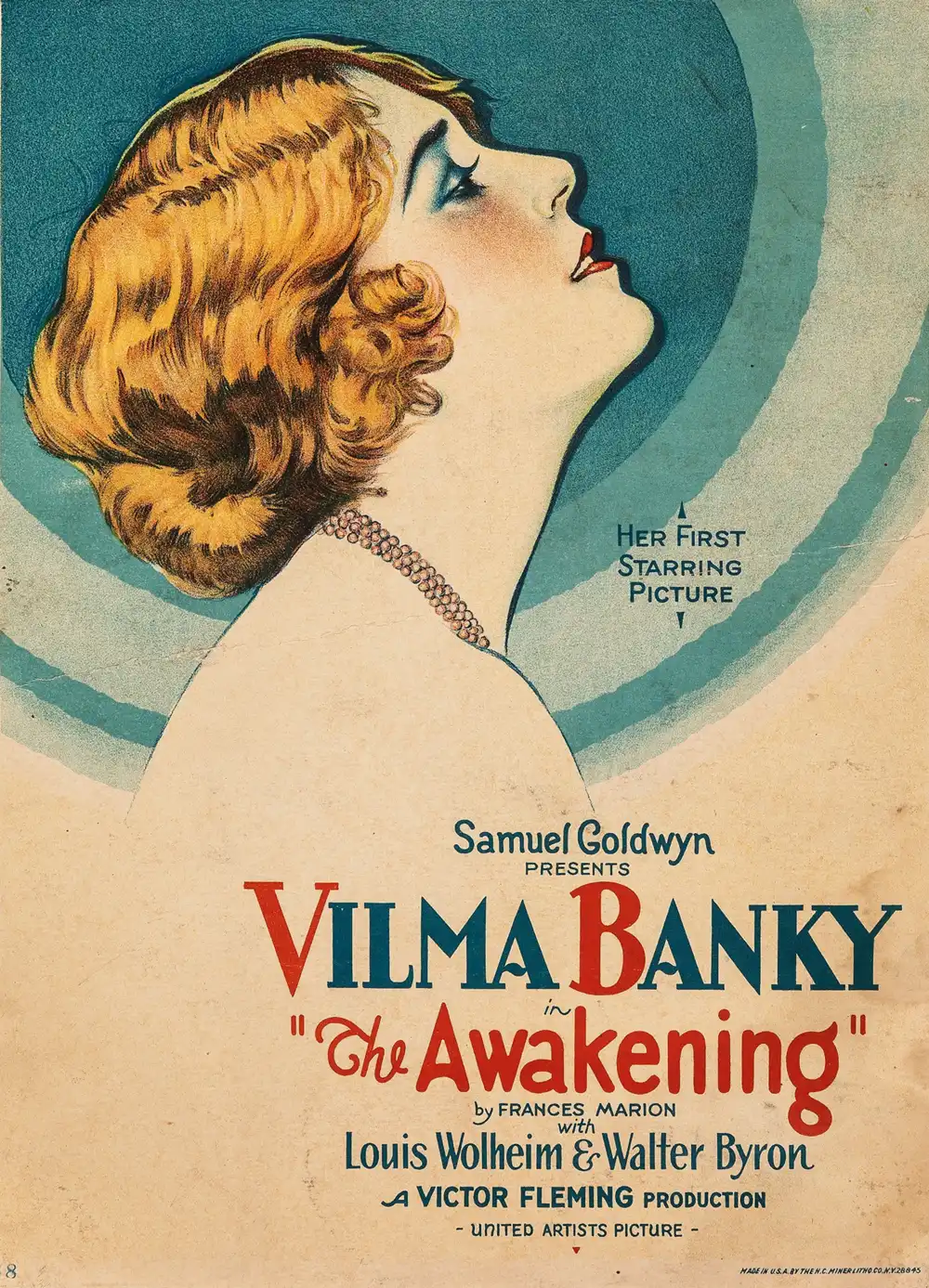
Analyzing The Awakening (1928) requires a deep dive into the defining moment in Drama history that Victor Fleming helped create. Defining a new era of United States artistic expression, it transcends regional boundaries to tell a universal story.
In The Awakening, Victor Fleming pushes the boundaries of conventional narrative. The film's unique approach to its subject matter has sparked endless debates and interpretations among cinephiles and critics alike.
While deeply rooted in United States, The Awakening has achieved a global reach, influencing directors from various backgrounds. Its ability to translate Drama tropes into a universal cinematic language is why it remains a cult staple decades after its 1928 release.
| Cinematography | Deep Focus |
| Soundtrack | Orchestral |
| Editing | Slow-Burn |
| Art Direction | Brutalist |
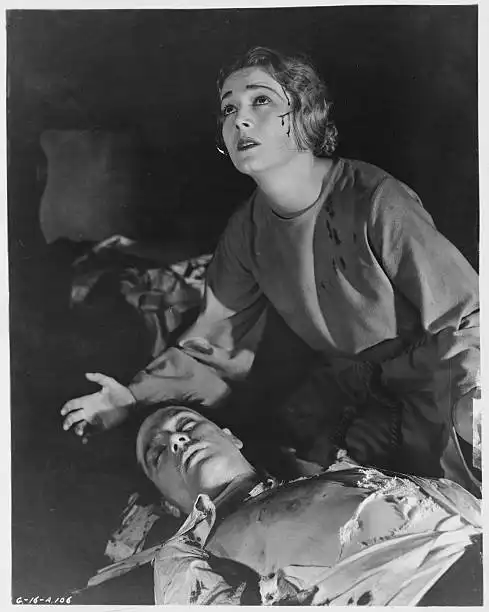
Visualizing the convergence of Victor Fleming's style and the core Drama narrative.
In Alsace just before the World War, beautiful, virtuous peasant Marie Ducrot, who falls in love with Count Karl von Hagen--a lieutenant in the German Army--is seen visiting Karl in his quarters, and an angry mob of townspeople hurl stones and curses at her. Marie, mistakenly reported dead, becomes a novice in a religious order. War breaks out, and von Hagen is injured in fighting near Marie's convent; he is cared for by Marie and persuades her to return to Germany with him. Le Bête, a French Army sergeant of their acquaintance, helps them to reach the German lines and safety. Le Bête is killed by a sniper's bullet, and Marie and Karl prepare for a brighter future.
Decades after its release, The Awakening remains a vital piece of the cinematic puzzle. Its influence can be seen in countless modern works, solidifying Victor Fleming's status as a master of the craft in United States and beyond.