
DbcultAccessing Vault...
Director's Spotlight
Senior Film Conservator
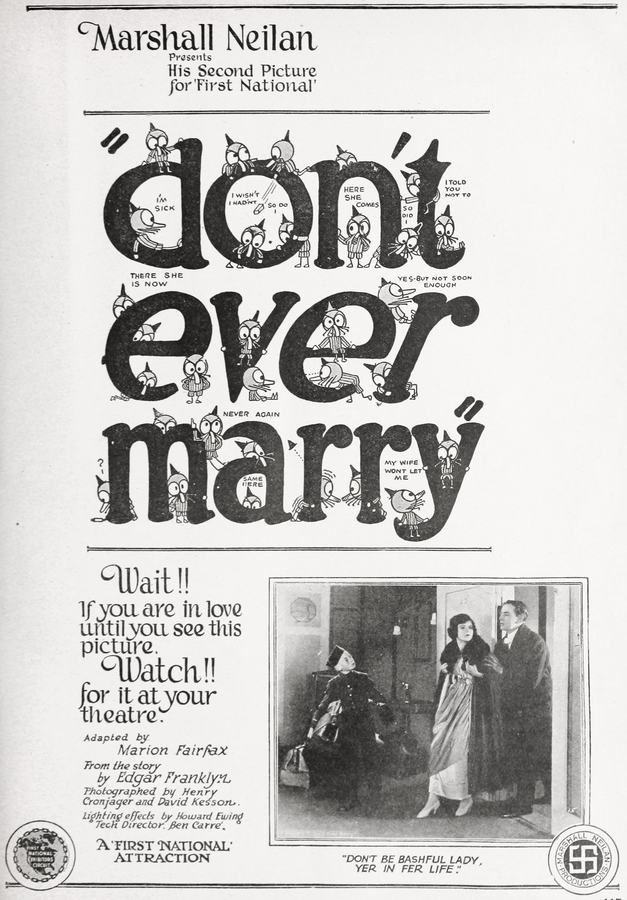
Director's Spotlight: United States
A Deep Dive into the 1920 Vision of Victor Heerman
The evocative power of Don't Ever Marry stems from the unique collaboration between the bold experimentation that has become synonymous with Victor Heerman. Framed by the hauntingly beautiful landscapes of the production, it echoes the profound changes occurring in United States during that era.
In Don't Ever Marry, Victor Heerman pushes the boundaries of conventional narrative. The film's unique approach to its subject matter has sparked endless debates and interpretations among cinephiles and critics alike.
In this work, Victor Heerman explores the intersection of Comedy and United States cultural identity. The meticulous attention to detail suggests a deep-seated commitment to pushing the boundaries of the medium, ensuring that Don't Ever Marry remains a relevant topic of study for Comedy enthusiasts.
| Cinematography | Handheld |
| Soundtrack | Experimental |
| Editing | Elliptical |
| Art Direction | Expressionist |
Visualizing the convergence of Victor Heerman's style and the core Comedy narrative.
When eccentric Colonel Wynn threatens to kill Joe Benson if he marries his daughter Dorothy, the couple wed secretly. Their honeymoon at a resort is interrupted by Barbara Dow, a friend who threatens to expose the marriage unless Joe announces that Barbara is his wife. Then Myra Gray, a divorced friend of Joe, appears, followed by her enraged ex-husband, who believes that Joe has stolen his wife's affections. Joe and Dorothy attempt to escape the ensuing chaos, and after a series of misadventures, the colonel becomes enamored of Myra and accepts his daughter's marriage.
Decades after its release, Don't Ever Marry remains a vital piece of the cinematic puzzle. Its influence can be seen in countless modern works, solidifying Victor Heerman's status as a master of the craft in United States and beyond.